
Pruning
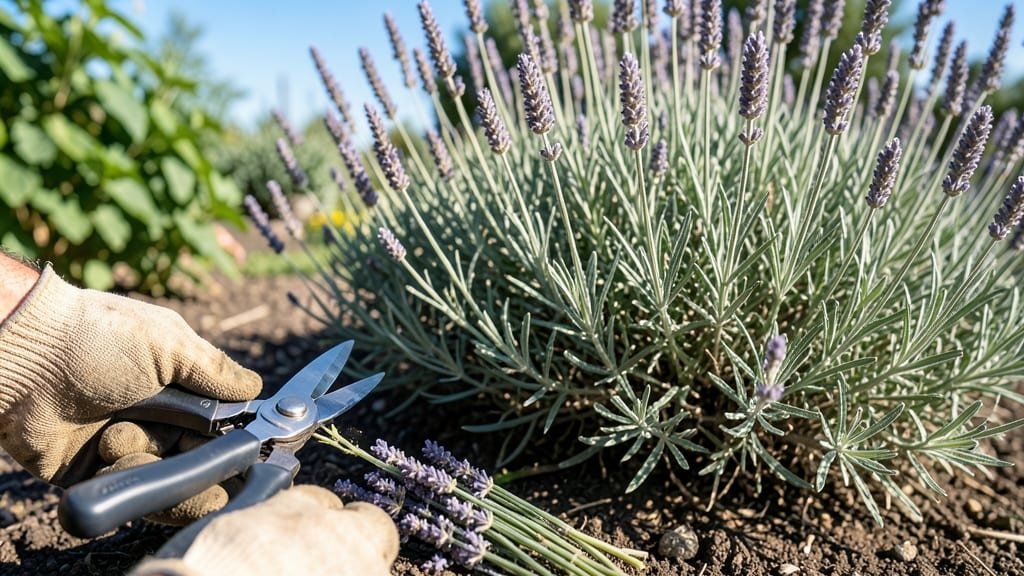
You can prune lavender in March only in frost-free climates—otherwise, wait until late spring when new growth emerges to prevent damaging tender stems. Early pruning in colder regions often stresses plants or causes dieback.
Lavender's growth cycle makes timing everything. 🌿 In most regions, March is still too early because the plant remains semi-dormant, with stems vulnerable to cold snaps. The key is waiting until after the last frost when the plant shows fresh green shoots—typically May or June in colder zones.
This timing ensures you're cutting back only dead growth while preserving the plant's energy reserves for summer blooms.
What's interesting is how climate zones shift this window. In USDA Zone 8 or warmer, March pruning might work if temperatures stay consistently above 50°F, but even then, I recommend waiting until after the first flush of new growth appears.
The goal is always to avoid cutting into the woody stems, which can take years to mature and provide structure to the plant.
💡 In This Article
- Lavender Pruning Timeline by Climate Zone
- Step-by-Step March Lavender Pruning for Mild Climates
Lavender pruning timeline by climate Zone
Lavender's growth cycle is deeply tied to temperature, and this is why March pruning becomes a gamble in most regions. The plant enters a semi-dormant state in winter to conserve energy, with new growth only emerging when soil temperatures consistently stay above 55°F.
In USDA Zones 3-6, where frost is common into April, pruning in March risks cutting back tender stems that haven't yet hardened off—exposing the plant to potential dieback when temperatures dip below 30°F.
Here's how climate dictates the timeline: In Zone 7 and warmer, where March averages 50-60°F, you might safely prune if no frost is forecasted for 2 weeks.
But even then, I recommend waiting until you see 1-2 inches of fresh green growth—this signals the plant has broken dormancy. The danger in early pruning lies in the plant's energy reserves: cutting too soon forces it to regrow when it should still be conserving strength for summer blooms.
What most gardeners overlook is how lavender's woody stems play a structural role. Each year's growth adds to the plant's framework, and removing too much in early spring can leave it vulnerable to wind damage or fungal infections.
In Zone 5 or colder, where March temperatures can swing wildly, waiting until late May or June ensures you're only cutting back last year's spent growth while preserving the plant's ability to photosynthesize.
The science behind this involves the plant's cambium layer—a thin growth layer just under the bark that's most active in spring. Pruning too early disrupts this layer's activity, similar to how cutting back a tree's branches in winter can stunt its growth.
For lavender, this means fewer blooms and potentially weaker stems for the following year. 🌱
Consider this comparison: In Southern California (Zone 10), where March temperatures average 65°F, pruning in early March is safe because the plant is already actively growing.
But in New England (Zone 4), where March can still see 20°F nights, pruning at this time often results in brown, crispy stems by spring.
For those in transitional zones like Zone 7b, the safest approach is to wait until after the last frost date (typically mid-April in most areas) and confirm new growth has appeared.
This gives you a 3-4 week buffer before summer heat arrives, allowing the plant to recover before its peak blooming season.