
Pruning
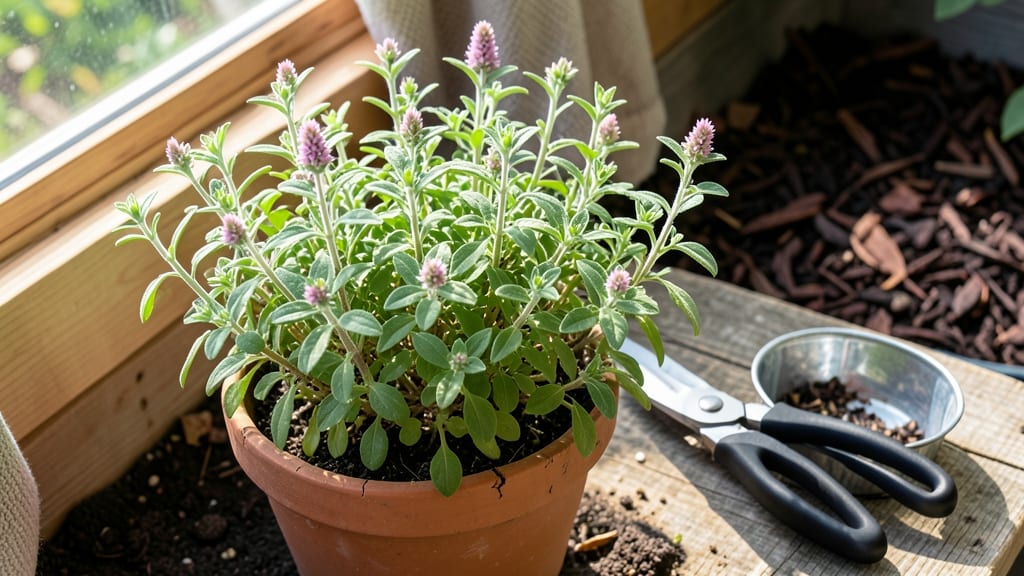
Pruning oregano plants keeps them lush, fragrant, and productive year-round—something I learned after my first plant turned woody and sparse. 🌿 The key is timing: trim right after harvest or in early spring to encourage fresh, tender growth instead of letting it get leggy.
Too much pruning at once can stress the plant, while skipping it leads to a bush that looks more like a stick than a herb garden staple.
You’ll need just a pair of clean, sharp pruners and about 15 minutes. Focus on cutting back about one-third of the plant’s growth at a time, always above a leaf node where new shoots can emerge.
This simple technique transforms your oregano from a scraggly relic into a dense, aromatic powerhouse that keeps giving all season.
The payoff is immediate: fresh, velvety leaves packed with flavor, and a bush that stays compact enough to fit on any windowsill or patio. Pruned properly, your oregano will reward you with thicker foliage and a harvest that lasts from spring through fall—no need to buy store-bought herbs again.
For those in colder climates, a light trim in late winter prevents winter burn, while summer pruning keeps plants from getting too leggy. The biggest mistake? Cutting into old, bare stems—always look for green growth before making a snip. Now grab those shears and let’s get growing!
📚 In This Guide
- What you need
- Instructions
- Tips and common mistakes
- Wrapping up and next steps
What you need
- ● Sharp pruning shears or scissors – Must be clean and sterilized (small, bypass-style shears work best for precision).
- ○ Gloves (optional but recommended) – Protects hands from thorns and rough stems (nitrile or leather gloves are ideal).
- ● Disinfectant (rubbing alcohol or bleach solution) – 1 part bleach to 9 parts water to sterilize tools before and after pruning.
- ○ Pruning saw (optional) – For thicker, woody stems (only needed if your oregano is mature and overgrown).
- ● Container or bucket – To collect pruned stems for drying or composting.
- ● Paper towels or cloth – For wiping tools and hands clean.
- ● ✅ Healthy oregano plant – Prune only when the plant is actively growing (spring to early fall). Avoid pruning in winter unless necessary.
- ● ✅ Sunlight access – Ensure your plant gets 6-8 hours of sunlight daily for optimal regrowth after trimming.
- ● ✅ Well-draining soil – Oregano thrives in sandy or gravelly soil—amend heavy soil with perlite or sand if needed.
- ● ✅ Watering schedule – Let soil dry slightly between waterings to prevent root rot (oregano is drought-tolerant!).
- ● Timing matters! – Prune in the morning when humidity is low to reduce disease risk.
- ● Label your tools – Use a marker to tag shears for oregano (to avoid cross-contamination with other herbs).
- ● Save your clippings! – Bundle stems and hang them upside down in a dry, dark place to dry for later use.
Instructions for pruning oregano plant
Here's how to keep your oregano bushy, productive, and healthy all year long.
✂️ Step 1: Identify the Right Time to Prune
Spring is the best time to prune oregano—right after the last frost when new growth starts. I look for fresh, light green leaves at the tips of stems as my signal. Pruning in early spring encourages vigorous new growth before summer heat sets in. Avoid heavy pruning in late summer or fall, as this can stress the plant before winter dormancy.
You can also do light trimming throughout the growing season to maintain shape and encourage bushiness. Just snip off any leggy stems or spent flowers. The key is to never cut more than ⅓ of the plant at once—this ensures you don't shock the plant and leave it vulnerable to pests or disease.
✂️ Step 2: Use the Right Tools and Technique
Grab a pair of clean, sharp pruning shears—dull blades tear stems and invite infection. I always sterilize my tools with rubbing alcohol before and after pruning to prevent spreading disease. For oregano, I make cuts just above a set of leaves where new growth emerges. This encourages branching and keeps the plant fuller.
Never cut into old, woody stems at the base—they won’t regrow. Instead, focus on the softer, green growth. If your oregano gets too leggy, you can prune it back by ½ to ⅔ in early spring, but avoid cutting into the bare stems. You’ll see new shoots emerge from the sides within 2-3 weeks if you’ve pruned correctly.
✂️ Step 3: Shape the Plant for Bushiness and Airflow
Step back and look at your oregano’s overall shape. I like to trim the outer edges to encourage a rounded, compact form. Cut back any stems that are growing too long or crossing over others—this improves airflow and reduces humidity trapped inside the plant, which prevents fungal issues.
Pinch off any flower buds that form in early summer. While oregano flowers are pretty, they signal the plant to focus on seed production instead of leaf growth. Removing them keeps the plant producing flavorful leaves all season. After harvesting, I always snip off any wilted or yellowing leaves to keep the plant looking fresh and encourage new growth.
✂️ Step 4: Maintain Through the Seasons
In late summer, give your oregano a light trim to remove any woody stems and encourage tender new growth before winter. I avoid heavy pruning at this time, but a quick cleanup keeps the plant tidy. If you live in a mild climate, you can even harvest lightly throughout winter—just be gentle and don’t over-prune.
After each pruning, I always water the plant at the base to help it recover. Oregano is drought-tolerant, but it still needs moisture after heavy trimming. Watch for new growth in 1-2 weeks—that’s your sign everything is on track. If you notice yellowing leaves after pruning, it might mean you cut too much or the plant needs more light.
Tips & tricks for pruning oregano plant
Here's what nobody tells you about keeping your oregano thriving after every trim.
Timing Secret: The early spring timing in Step 1 is everything—waiting too long means you're pruning into the plant's energy reserves. I've found that pruning right after the last frost (when those fresh light green leaves appear) gives the plant a full growing season to recover and produce new shoots before summer heat arrives. If you miss spring, don't stress—just do light maintenance trims throughout summer instead of heavy pruning.
Tool Technique: In Step 2, those clean cuts make all the difference. I always sterilize my pruning shears with rubbing alcohol between plants to prevent spreading disease—this is especially important if you have multiple herb plants. For the ½ to ⅔ pruning back, I like to make diagonal cuts just above leaf nodes (where new growth emerges) to encourage bushier growth. This creates more surface area for new shoots to develop from the sides.
Seasonal Strategy: The late summer maintenance in Step 4 is often overlooked, but it's crucial for winter hardiness. I avoid heavy pruning then because oregano needs all its energy to prepare for dormancy. Instead, I focus on removing only the woody stems and any dead growth. This light cleanup prevents disease buildup in the plant's center and keeps it looking tidy without stressing it before winter.
Visual Growth Cues: After pruning, watch for those 1-2 weeks of recovery time mentioned in Step 4. New growth should appear as small, tender shoots at the leaf nodes where you made your cuts. If you don't see new growth within 2 weeks, it might mean you pruned too aggressively or the plant needs more sunlight. This visual check is your best indicator that the pruning was successful.
Pro Tips for Prune Oregano Plant
- Here's what nobody tells you about keeping your oregano thriving after every trim.
- Timing Secret: The early spring timing in Step 1 is everything—waiting too long means you're pruning into the plant's...
- Tool Technique: In Step 2, those clean cuts make all the difference. I always sterilize my pruning shears with rubbin...
Frequently asked questions
When is the best time to prune oregano for maximum growth?
Prune oregano after flowering (late summer to early fall) to encourage bushier growth and prevent woody stems. Light trims can happen year-round, but avoid heavy pruning in winter. Spring is ideal for shaping, as the plant recovers quickly during active growth.
How much should I cut back when pruning oregano?
Remove 1/3 of the plant’s height during major pruning sessions. For maintenance, trim just the top 2–3 inches to promote branching. Avoid cutting into old, woody stems—focus on fresh, green growth. Over-pruning can stress the plant, so moderation is key!
Can I use pruned oregano stems for anything other than cooking?
Dry the leaves for homemade seasoning blends, infuse oils for flavored vinegars, or compost the clippings. Even the stems can be chopped and frozen for later use. Just avoid woody stems—they’re tougher to dry and less flavorful.
Why is my oregano turning brown after pruning?
Brown tips often signal stress from over-pruning, underwatering, or pests. Ensure your plant gets 6+ hours of sunlight and well-draining soil. Check for spider mites (common culprits) and adjust watering—oregano hates soggy roots. A light trim + proper care usually revives it!
Does pruning oregano work the same in pots vs. garden beds?
Yes, but container-grown oregano needs more frequent trimming (every 4–6 weeks) to prevent root-bound stress. In garden beds, prune less often (2–3 times/year). Both thrive with similar techniques—just monitor soil moisture, as potted plants dry out faster.
Wrapping up and next steps
Pruning your oregano plant isn’t just about keeping it tidy—it’s the secret to a thriving, flavorful harvest year-round! 🌿 By following the right techniques, you’ll encourage bushier growth, prevent woody stems, and enjoy fresh oregano whenever you need it.
Whether you’re a seasoned gardener or just starting out, a little regular trimming makes all the difference.
Ready to take your oregano game to the next level? Grab your pruners and get trimming! Start small—even a quick trim after harvest will keep your plant happy and productive. And if you’re feeling ambitious, try propagating those cuttings to expand your herb garden. Happy pruning! ✂️🌱