
Pruning
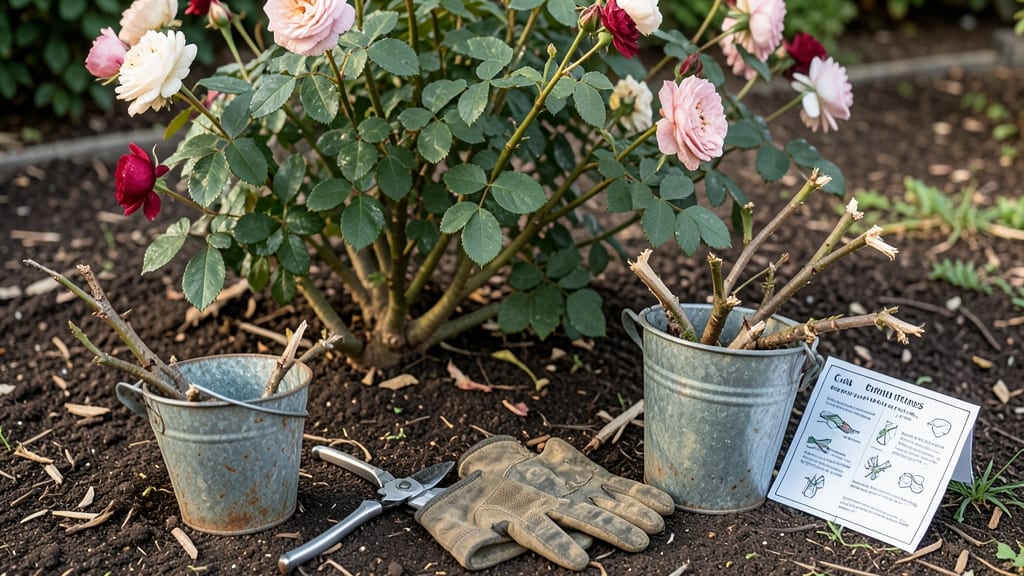
Pruning the roses when to prune roses in Central Texas before bud break is the key to avoiding fungal outbreaks and encouraging vibrant blooms.
Picture this: You’ve just spent hours shaping your roses, only for the brutal summer heat to turn your hard work into a disease magnet.
The difference between a thriving bush and one struggling with black spot often comes down to timing—and in Texas’ 8a-8b climate, the window is narrower than you’d think.
Most gardeners wait until spring, but that’s a recipe for stress. The ideal time to prune is actually in late winter, when the first frost has passed and new growth hasn’t yet started. This gives your roses a head start on the season without inviting pests or diseases.
Below, I’ll walk you through the exact month-by-month schedule for Central Texas, plus the tools and techniques to keep your roses healthy all year. No guesswork—just science-backed results.
Central Texas rose pruning calendar: best months by climate zone
Central Texas gardeners face unique challenges when pruning roses—freeze risks in winter and heat spikes in spring can turn a simple task into a high-stakes game. Unlike cooler climates, pruning too early exposes roses to late-winter freezes, while pruning too late stresses plants before summer’s brutal heat.
The key? Time it right for hardiness zones 8a–9a, where January–March offer the safest window.
In Austin and San Antonio, the first frost typically hits by late November, signaling the start of your pruning window. But don’t rush—wait until dormant season (when roses have shed leaves) to avoid inviting disease pressure.
The goal? Remove dead or diseased canes while preserving healthy buds for spring blooms.
Here’s your month-by-month breakdown, tailored to Central Texas’ unpredictable weather. Use this as your guide to prune confidently and set your roses up for heat-resistant growth.
| Month | Task | Why It Matters | Avoid | Tools Needed |
|---|---|---|---|---|
| January | Prune after hard freezes (post-20°F nights) | Removes frost-damaged canes; stimulates early spring growth. | Pruning before frost—exposes tender buds. | Bypass pruners, disinfectant, gloves |
| February | Thin crowded canes; cut 1/4 inch above bud | Improves airflow; reduces black spot risk. | Over-pruning—removes >1/3 of plant. | Sharp loppers, rubbing alcohol |
| March | Final cuts before bud break (by mid-March) | Encourages heat-resistant canes; prevents spring stress. | Pruning after buds swell—delays blooms. | Hedge shears, pruning sealant |
| April | Deadhead spent blooms; mulch base | Promotes continuous blooms; retains moisture. | Fertilizing before heatwave—burns roots. | Garden gloves, compost |
🌹 Pro Tip: Disinfect tools between cuts to prevent fungal spread.
In January, Central Texas often sees hard freezes (below 20°F), which can kill tender rose canes. Wait until after the last freeze—typically mid-January—to prune. Focus on removing blackened or brittle canes and any that died back from frost damage.
This is also the time to sterilize your tools with rubbing alcohol to prevent disease transmission between cuts.
By February, roses in zone 8a–9a begin waking up, but nighttime temps can still dip. Prune on mild days (50°F+) to avoid shocking the plant. Look for 3–5 outward-facing buds on each cane—these will form the framework for summer blooms.
Use sharp bypass pruners to make clean cuts at a 45-degree angle, about 1/4 inch above a bud.
March is your final window before roses enter active growth. In Central Texas, bud break typically starts by mid-March, so prune by early March to avoid stressing plants as temps rise. This is when you’ll shape your roses for heat resistance: open the center to improve air circulation and reduce humidity-related diseases like powdery mildew.
After pruning in March, apply a 2–3 inch layer of mulch
How to prune roses for heat resistance: step-by-step techniques
Central Texas summers bring 100°F+ temperatures that stress roses, but proper pruning creates airflow and disease resistance. The key is cutting at the right time and using sterilized tools to prevent fungal spread. I’ll walk you through my heat-proof pruning method that keeps roses thriving in Austin’s climate.
Start by removing dead, diseased, or crossing canes first—these block airflow and trap moisture. Next, shape your rose bush into an open vase form with 3-5 main branches for better heat tolerance.
Always cut at a 45-degree angle just above an outward-facing bud to encourage new growth in the right direction.
🌹 Step-by-Step Pruning for Texas Heat
- Step 1: Remove dead/diseased canes first using sterilized pruners (rubbing alcohol or bleach solution). Look for blackened stems or mushy tissue.
- Step 2: Thin crowded canes to 3-5 main branches, cutting at 1/4-inch above an outward bud. This creates airflow for heat resistance.
- Step 3: Shape into an open vase—remove suckers at the base and weak growth inside. Aim for sunlight penetration to prevent fungal buildup.
- Step 4: Deadhead spent blooms by cutting 1/2-inch above a 5-leaflet leaf. This redirects energy to heat-resistant canes instead of seed production.
- Step 5: Sanitize tools between cuts with 70% isopropyl alcohol or a 10% bleach solution to prevent black spot spread.
⚠️ Pro Tip: Prune on a cool, cloudy morning in Central Texas (Nov–Feb) to avoid heat stress on fresh cuts.
After pruning, apply a 2-inch layer of mulch around the base to retain moisture and regulate soil temperature. I use pine bark mulch because it resists compaction and reduces fungal spores in the air. Avoid piling mulch against the stems—keep it 3 inches away to prevent rot.
For heat-loving roses like Knock Out® roses or Earth-Kind® varieties, you can do a light summer trim in June to encourage fall blooms. Just remove only the oldest canes and deadhead regularly to keep the plant focused on heat tolerance over prolific blooming.
Finally, fertilize 4-6 weeks after pruning with a balanced 10-10-10 fertilizer to support new growth. In Central Texas, I skip summer fertilizing—the heat stresses roses, and fresh cuts need time to harden off before extra nutrients.
With these techniques, your roses will bounce back stronger from Texas heat and bloom longer into fall. The key is airflow, timing, and sanitation—three things that make all the difference in our 100°F summers! 🌿