
Pruning
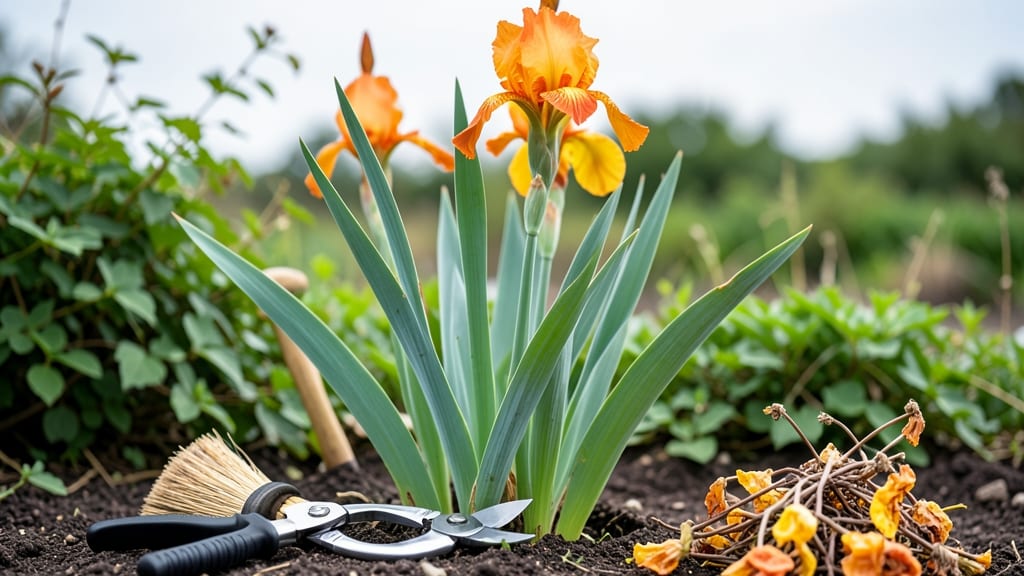
African iris pruning isn't just about cutting back—it's about unlocking vibrant, repeat blooms all season long. 🌸 I learned the hard way that skipping this step means fewer flowers and weaker plants, but once I mastered the timing and technique, my irises transformed into lush, flowering powerhouses.
The key is working with the plant's natural rhythm: prune right after blooming to redirect energy into new growth, and do a light cleanup in late winter to remove dead foliage. You'll only need sharp pruners, gloves, and about 15 minutes of focused work—no fancy tools required.
After just one season of proper pruning, you'll notice thicker foliage and longer bloom cycles. The plants stay compact, resist disease better, and produce flowers that last weeks instead of days. It's the difference between a single burst of color and months of enjoyment.
Works for both Dietes and Moraea species, and adapts easily to container or ground planting. Here's exactly how to do it without stressing the plant—or yourself.
📚 In This Guide
- What you need
- Instructions
- Tips and common mistakes
- Wrapping up and next steps
What you need
- ● Pruning shears – Sharp, bypass-type shears (4- to 6-inch blades) for clean cuts. Sterilize with rubbing alcohol before use!
- ● Hand pruners – For smaller stems (2- to 4-inch blades). Test sharpness on a scrap stem first!
- ● Gloves – Heavy-duty, gardening gloves (nitrile-coated for grip) to protect from thorns and sap.
- ● Disinfectant spray – 70% isopropyl alcohol or a bleach solution (1:9 ratio) to sanitize tools between cuts.
- ○ Garden twine or zip ties – For tying up large, floppy leaves post-pruning (optional but helpful).
- ● Trash bag or bucket – For removing debris (3+ gallon capacity recommended).
- ● Hose with nozzle – To rinse tools and clean up sap afterward.
- ● Loppers – For thick, woody stems (if your iris has overgrown growth).
- ● Knee pad or stool – For comfort if pruning large patches.
- ● Plant food (balanced fertilizer) – 10-10-10 NPK ratio to feed irises post-pruning.
- ● Mulch (pine bark or straw) – To protect roots after heavy pruning.
How to prune African iris for year-round health and blooms
Here's the straightforward method I use to keep my African iris thriving—no guesswork, just proven results.
✂️ Step 1: Prune After the Final Bloom Cycle
Wait until all blooms have faded and the flower stalks turn brown before cutting them back. This ensures the plant has stored enough energy in its rhizomes for next season. Use clean, sharp pruners to cut the stalks at the base, about 1 inch above the rhizome. Never leave stubs—they attract pests and rot.
I always prune on a dry morning when the foliage is crisp. This reduces the risk of fungal infections spreading through open cuts. If you're unsure when to prune, check the stalks: if they're completely brown and papery, it's safe to cut.
🌿 Step 2: Thin Foliage in Early Spring
In early spring, before new growth appears, remove any yellowed or damaged leaves by cutting them at the base. Healthy leaves should be upright and firm. If you see leaves that are mushy or hollow-sounding when tapped, they're past saving and should go. This step improves airflow and prevents fungal diseases.
I also look for leaves that are growing too close together. Gently spread them apart if they're crowding the center. African iris need good circulation to stay healthy. If you notice more than 3-4 healthy leaves per rhizome, it's time to divide the clump later in the season.
⏰ Step 3: Divide Overcrowded Clumps Every 3-4 Years
Dig up and divide clumps in early spring or after blooming, when the soil is warm but not yet scorching. Lift the rhizomes carefully with a fork, then separate them with your hands or a clean knife. Each new section should have at least 1-2 healthy leaves and a portion of the rhizome. Discard any rhizomes that are soft, shriveled, or have black spots.
I replant the divisions immediately in well-draining soil, spacing them 12-18 inches apart. Water deeply after planting to help them establish. Dividing prevents overcrowding, which leads to fewer blooms and weaker plants. If you skip this step, your iris will eventually stop flowering as well as it once did.
☀️ Step 4: Deadhead and Maintain Through the Growing Season
After each bloom fades, snip off the spent flower stalk at the base. This encourages the plant to produce more blooms instead of wasting energy on seed production. I also remove any seed pods that form—they drain the plant's resources. Just a quick cut with pruners does the trick.
Throughout the growing season, keep an eye out for leaves that are turning yellow or brown. These can be trimmed back as they appear, but avoid cutting into healthy green tissue. African iris are tough, but even they need a little help staying tidy. A light trim every few weeks keeps them looking their best.
Tips & tricks for perfect African iris pruning
These simple tricks will help you avoid common mistakes and keep your African iris thriving for years to come.
Timing is Everything: I can't stress enough how important it is to prune only after the flower stalks have completely turned brown and papery. This ensures the plant has stored enough energy in its rhizomes for next season's blooms. I've seen people cut too early, and their iris never recovered—don't make that mistake! The 1-inch cut above the rhizome is crucial too; any shorter risks rot, while any longer weakens the plant.
Tool Selection Matters: Using dull or dirty pruners can damage your iris and spread disease. I always clean my pruners with rubbing alcohol between cuts and use sharp, bypass pruners designed for clean cuts. For Step 1, make sure your pruners are sharp enough to cut through the stalks cleanly without crushing them. A good pair lasts years if properly cared for—it's worth the investment.
Seasonal Maintenance: Throughout the growing season, I keep a small pair of pruners handy for quick maintenance. When you notice leaves turning yellow or brown, trim them back immediately—but never cut into healthy green tissue. This prevents fungal issues and keeps your iris looking its best. The key is regular, light maintenance rather than waiting for problems to develop.
Dividing Strategy: When it's time to divide your clumps every 3-4 years, I recommend doing it in early spring when the soil is warm but not scorching. This gives the new divisions time to establish strong roots before summer heat sets in. Always make sure each section has at least 1-2 healthy leaves and a portion of the rhizome—this ensures they'll have enough energy to thrive in their new spot.
Pro Tips for African Iris Pruning
- These simple tricks will help you avoid common mistakes and keep your African iris thriving for years to come.
- Timing is Everything: I can't stress enough how important it is to prune only after the flower stalks have completely turned brown and papery.
- Tool Selection Matters: Using dull or dirty pruners can damage your iris and spread disease.
Frequently asked questions
Got questions about keeping your African iris (or Dietes) looking its best? Here are some of the most common concerns—plus the answers to keep your blooms thriving!
When is the best time to prune African iris?
The ideal time to prune is right after flowering (late spring to early summer) to encourage new growth. You can also do a light trim in late winter to remove dead or damaged foliage. Avoid heavy pruning in fall, as the plant needs energy to store for winter.
How much should I cut back my African iris?
For Dietes, trim spent flower stalks to the base and reduce foliage by one-third if it’s overgrown. Never cut more than 30% of the leaves—this plant stores nutrients in its foliage! Use clean, sharp shears to avoid tearing.
What if my African iris looks leggy or sparse?
Leggy growth often means it needs more light or nutrients. Fertilize lightly in spring with a balanced 10-10-10 formula and ensure it gets 6+ hours of sunlight daily. If soil is poor, amend with compost. Avoid overwatering—this plant prefers well-draining soil.
Can I prune African iris in winter?
Light pruning (removing dead or brown leaves) is fine in mild winters, but avoid heavy cuts. In colder climates, wait until early spring (when new growth appears) to prune. Frost-sensitive varieties may need winter protection like mulch.
What if my African iris stops blooming after pruning?
If blooms disappear, check these fixes:
- Over-pruning: Keep foliage intact—it fuels next year’s flowers.
- Lack of sunlight: Move to a sunnier spot (they thrive in full sun).
- Old age: African iris can decline after 5–7 years; divide and replant clumps.
- Nutrient deficiency: Add phosphorus-rich fertilizer (like bone meal) in early spring.
Do I need to sterilize my pruning tools?
Absolutely! Clean shears with rubbing alcohol or a 10% bleach solution between cuts to prevent spreading diseases like bacterial soft rot or fungal infections. A quick wipe with a disinfectant cloth works too—your iris will thank you!
Wrapping up and next steps
Pruning your African iris isn’t just about keeping them tidy—it’s your secret weapon for vibrant blooms and robust growth! 🌿 By mastering the when, how, and why of trimming, you’ll encourage bushier foliage, prevent disease, and enjoy stunning flowers year after year.
Whether you’re a seasoned gardener or just starting, these tricks make the process simple and rewarding.
Ready to transform your garden? Grab your pruners and start today! For extra confidence, watch a quick tutorial or join a local gardening group to share tips with fellow plant lovers. Your African iris will thank you with a dazzling display! 🌸