
Pruning
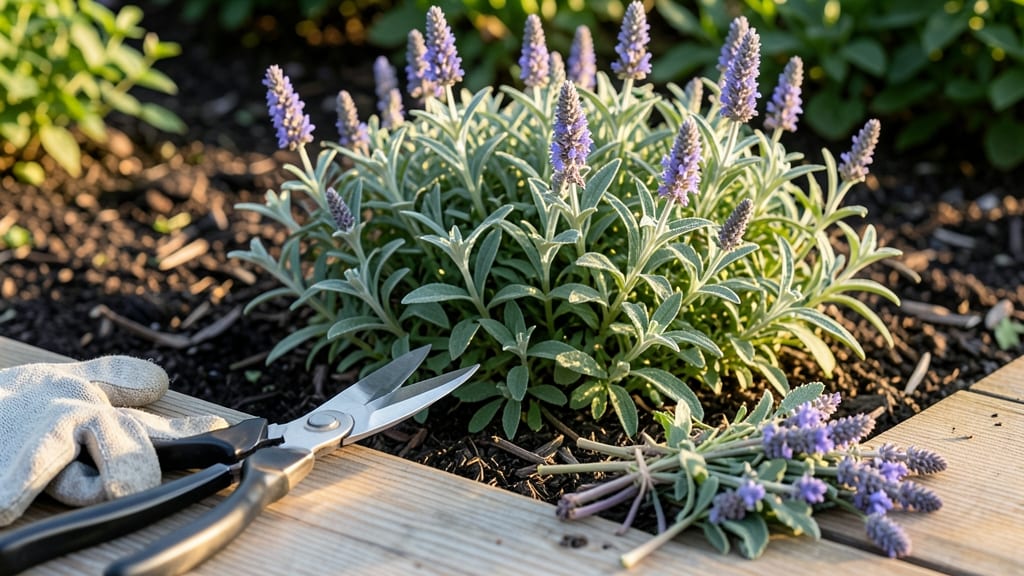
Pruning Walkers Low catmint sharpens its growth and keeps those lavender blooms coming all season. ✂️ I’ve learned that skipping this step means fewer flowers and leggy stems—something I definitely don’t want in my drought-tolerant garden.
The right cuts at the right time transform this plant from a floppy mess into a neat, bushy powerhouse that blooms from spring until frost.
Timing matters most—prune in early spring right after the first flush of blooms or in late summer to encourage a second round of flowers. You’ll need sharp bypass pruners (dull blades tear stems) and a clear day to work.
The goal? Cut back one-third of the plant’s height to promote dense, compact growth and prevent woody stems from taking over.
After pruning, give your catmint a light drink of water and watch as new shoots emerge within 10-14 days. The secret to long-term health is consistency: prune annually, remove dead flowers regularly, and avoid over-trimming in fall.
This keeps your plant vibrant, productive, and free of that sad, woody look that ruins the show.
For beginners, the biggest mistake is pruning too late in the season or using dull tools—both stress the plant. Pro tip: If your catmint starts looking scraggly mid-season, a quick trim in July can revive it just in time for fall blooms.
The payoff? A neat, fragrant, and endlessly blooming plant that’s the star of any border.
📚 In This Guide
- What you need
- Instructions
- Tips and common mistakes
- Wrapping up and next steps
What you need
- ● Sharp bypass pruners – Choose high-quality, bypass-style pruners (like Felco or Fiskars) to make clean cuts without crushing stems. Size: 6-8 inches, with comfortable grips.
- ● Hand pruners or loppers – For thicker stems (½ inch or larger), opt for bypass loppers with a 4-6 inch cutting blade and sturdy handles.
- ● Garden gloves – Durable, cut-resistant gloves (e.g., Mechanix or Wolverine) to protect your hands from thorns and sharp stems.
- ○ Disinfectant (optional but recommended) – Rubbing alcohol (70% isopropyl) or a garden disinfectant spray to sterilize tools between cuts and prevent disease spread.
- ● Pruning shears oil or wax – Keeps blades rust-free and sharp. Quantity: Small bottle for occasional maintenance.
- ● Trash bag or compost bin – For disposing of pruned stems. Tip: Use a heavy-duty bag if dealing with large volumes!
- ○ Notebook & pen (optional) – To jot down pruning notes, like dates, weather conditions, or plant responses for future reference.
- ○ Water spray bottle (optional) – Helps dust off debris from leaves and stems post-pruning for better visibility.
- ● Best time to prune: Early spring (before new growth) or late winter for Walkers Low Catmint. Avoid pruning in fall or during flowering.
- ● Weather conditions: Choose a dry, overcast day to minimize stress on the plant and reduce disease risk.
- ● Safety first: Wear closed-toe shoes and avoid pruning near power lines or in wet conditions.
Step-by-step guide to pruning Walkers Low catmint
Here's how to keep your catmint blooming like clockwork all season long.
✂️ Step 1: Time Your First Cut After Initial Bloom
Wait until your Walkers Low catmint has finished its first major flush of flowers—typically 6-8 weeks after planting—before making your first pruning cut. You'll know it's time when about 75% of the blooms have faded and new growth appears at the base of the plant. This timing ensures you're not cutting back too early, which could reduce flowering.
Grab your sharp pruners and cut back one-third of the plant's height at a 45-degree angle just above a set of healthy leaves. This angled cut prevents water from pooling on the stem, which could lead to rot. I always make sure to sterilize my pruners with rubbing alcohol first—this prevents spreading any potential diseases between cuts.
✂️ Step 2: Deadhead and Shape for Continuous Blooms
After the first pruning, switch to a maintenance routine of deadheading spent blooms weekly. Pinch off individual flowers before they seed, which encourages the plant to produce more blooms instead of going dormant. You'll see new buds forming within 10-14 days of consistent deadheading.
While deadheading, take a moment to shape the plant. Walkers Low catmint naturally grows in a rounded form, so aim to maintain that shape by trimming any leggy stems or branches that are growing outward too aggressively. Cut just above a leaf node where new growth can emerge—this keeps the plant dense and full.
✂️ Step 3: Perform Mid-Season Renewal Pruning
Around mid-summer, give your catmint a second pruning to rejuvenate growth and extend the blooming season. Cut back the entire plant by half its height again, but this time focus on removing any woody or overcrowded stems. You'll notice the plant looks a bit sparse right after pruning, but it's normal—new growth will fill in quickly.
After pruning, fertilize lightly with a balanced, 10-10-10 fertilizer to support the fresh growth. Water deeply right after pruning to help the plant recover and reduce stress. Avoid overwatering, though—Walkers Low catmint is drought-tolerant once established, and soggy soil can lead to root rot.
✂️ Step 4: Prepare for Winter Dormancy
As temperatures drop and growth slows in late fall, it's time for your final pruning of the season. Cut back the plant to about 3-4 inches tall, leaving only the sturdy stems. This helps protect the plant from winter damage and makes it easier to clean up around the base in spring.
Remove any dead or diseased foliage completely—this reduces the risk of pests or diseases overwintering in your garden. Mulch around the base of the plant with 2-3 inches of organic mulch to insulate the roots and retain moisture. Walkers Low catmint is hardy, but a little extra protection goes a long way in colder climates.
⏰ Step 5: Spring Cleanup and Early Season Maintenance
In early spring, as new growth begins, do a final cleanup by removing any remaining dead stems or debris. You'll see fresh green shoots emerging from the base of the plant—this is your signal that it's time to start light pruning again. Trim back any overly long or leggy stems to encourage a bushier, more compact growth habit.
This is also the perfect time to divide your catmint if it's become overcrowded. Simply dig up the plant, separate the roots, and replant the divisions in fresh soil. Walkers Low catmint spreads easily, so dividing it every few years keeps it healthy and vigorous. With proper pruning, your catmint will reward you with longer blooming seasons and lush, full growth year after year.
Tips & tricks for perfect Walkers Low catmint pruning
Here's what nobody tells you about keeping your catmint thriving—these small details make all the difference.
Timing is Everything: That 6-8 week window for your first pruning is crucial. I learned this the hard way after cutting back too early and watching my plant struggle to rebound. Wait until you see those faded blooms and fresh growth at the base—this tells you the plant has finished its energy for that flush. If you're in a hotter climate, you might need to prune slightly earlier, but always prioritize that 75% bloom fade indicator over the calendar.
Cutting Technique Matters: That 45-degree angle isn't just for looks—it's a water management hack. When you cut at an angle above a leaf node, you create a natural drainage channel that prevents water from sitting on the stem, which could lead to rot. I always make sure my pruners are sharp too; dull blades crush stems and create larger wounds that heal more slowly. Sterilizing between cuts (even with rubbing alcohol) prevents disease spread—this is especially important if you're working with multiple plants.
Seasonal Pruning Strategy: The mid-summer renewal pruning is where many gardeners go wrong. Cutting back to half the plant's height might seem drastic, but it's actually what triggers that second flush of blooms. The key is to focus on removing any woody stems—these are the ones that won't produce new growth. After pruning, that deep watering helps the plant recover faster, but remember: Walkers Low catmint is drought-tolerant once established, so don't overdo it. I've found that giving it just enough water to settle the soil is perfect.
Winter Protection Secrets: That 3-4 inch height for winter pruning isn't arbitrary—it's about finding the balance between protection and leaving enough foliage to photosynthesize through winter. In colder climates, I add an extra layer of mulch (up to 3 inches) around the base, which acts like a blanket for the roots. And here's a pro move: remove all dead foliage completely—this prevents pests and diseases from overwintering in your garden. It might look drastic, but your plant will thank you in spring with vigorous new growth.
Pro Tips for Walkers Low Catmint Pruning
- Here's what nobody tells you about keeping your catmint thriving—these small details make all the difference.
- Timing is Everything: That 6-8 week window for your first pruning is crucial. I learned this the hard way after cutti...
- Cutting Technique Matters: That 45-degree angle isn't just for looks—it's a water management hack. When you cut at an...
Frequently asked questions
about Walker’s Low Catmint pruning—because even the toughest gardeners need a little guidance! Here are answers to the most common questions to keep your catmint thriving and blooming beautifully.When is the best time to prune Walker’s Low Catmint?
Prune your Walker’s Low Catmint in early spring (just as new growth appears) and again after the first flush of blooms in late spring or early summer. Avoid pruning in fall—this hardy perennial needs its foliage to protect it through winter. Pro tip: Deadhead spent blooms throughout the season to encourage continuous flowering!
How much should I cut back Walker’s Low Catmint?
For spring pruning, cut back one-third of the plant’s height to promote bushier growth. In summer, trim back by half after flowering to maintain shape and prevent legginess. Never shear into bare wood—always leave some green foliage to support photosynthesis. Warning: Over-pruning can stress the plant!
Can I prune Walker’s Low Catmint in fall or winter?
It’s not recommended to prune in fall or winter, as the plant relies on its foliage for insulation during cold months. If you must clean up, wait until late winter or early spring (just before new growth starts). Avoid heavy cuts—light tidying is best to avoid exposing tender stems to frost.
What if my Walker’s Low Catmint looks leggy or sparse after pruning?
Leggy growth usually means it’s time for a harder prune in spring! Cut back to just above a set of healthy leaves to encourage new, bushier stems. If the plant still looks sparse, it may need fertilizer (use a balanced, slow-release formula) or better sunlight. Bonus tip: Divide overcrowded plants every 3–4 years to rejuvenate growth!
Are there alternatives to pruning Walker’s Low Catmint?
While pruning is key for long blooming seasons, you can minimize maintenance by:
- Deadheading spent blooms regularly to encourage reblooming.
- Planting in full sun (6+ hours/day) to keep it compact.
- Avoiding over-fertilizing, which can lead to floppy, leggy growth.
Wrapping up and next steps
Pruning your Walker’s Low Catmint doesn’t have to be intimidating—just a few sharp cuts can transform its growth and blooming potential! 🌿 With the right tools, timing, and techniques, you’ll enjoy vibrant foliage and extended flower displays all season long.
Remember, confidence in pruning leads to healthier plants, so grab those shears and get to work!
Ready to elevate your garden game? Start by assessing your plant’s health and scheduling your first pruning session after the first flush of blooms. Happy gardening—your catmint will thank you with a stunning comeback! 🌸