
Pruning
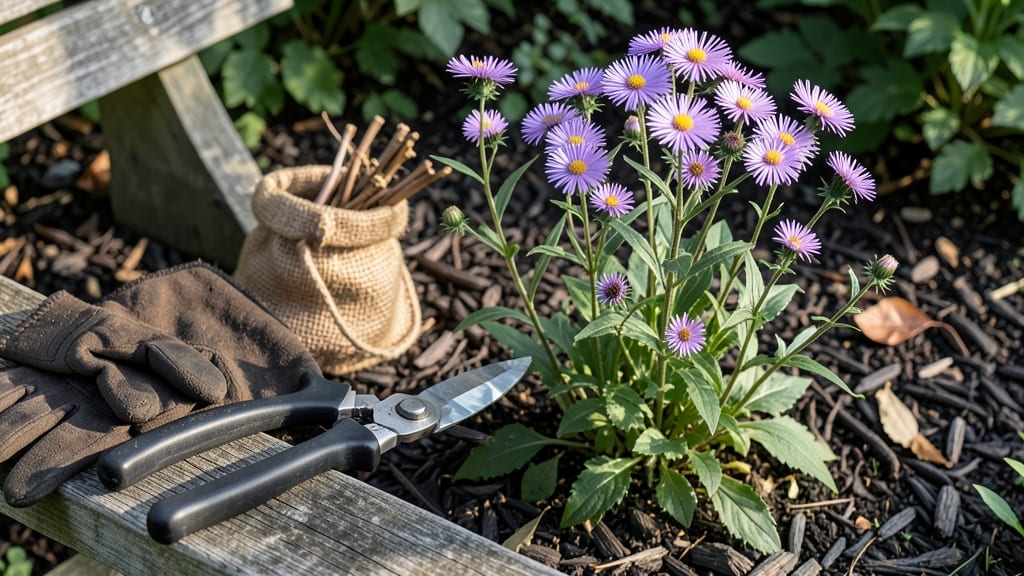
Pruning asters plants transforms floppy stems into a bushy, blooming powerhouse—here’s how to do it right. 🌸 I’ve spent years watching asters go from scraggly to showstopping with just a few strategic cuts, and the secret isn’t complicated: timing, technique, and a little patience.
Most gardeners wait too long, missing the best opportunities to shape their plants and encourage more flowers.
The right tools make all the difference: sharp pruners (dull blades tear stems), clean gloves (asters can be prickly), and a small bucket for clippings. You’ll work in three key phases—early spring, mid-summer, and fall—each with its own goal: clearing dead growth, promoting airflow, and prepping for winter.
Even a beginner can master this in under 30 minutes per session.
After pruning, your asters will bounce back with thicker stems and double the blooms compared to unpruned plants. The first flush of flowers arrives sooner, and the stems stay sturdy enough to support heavy clusters—no more flopping over in rain.
Just water deeply after cutting and avoid heavy fertilizer right away; the plant needs time to recover before pushing new growth.
This method works for both annual and perennial asters, whether you’re growing them in garden beds, containers, or even as cut flowers. The key is consistency—skip a season, and you’ll lose that bushy, blooming habit. Let’s get those stems looking like they belong in a bouquet instead of a tangle.
📚 In This Guide
- What you need
- Instructions
- Tips and common mistakes
- Wrapping up and next steps
What you need
- ● Sharp bypass pruners – Must be clean and sterilized (avoid dull blades to prevent tearing stems).
- ● Hand pruners or shears – For smaller stems or detailed trimming (look for ergonomic grips for comfort).
- ● Gloves – Garden-grade or cut-resistant (protects hands from thorns and sap).
- ● Disinfectant (70% isopropyl alcohol or bleach solution) – 1 part bleach to 9 parts water (sanitizes tools between cuts to prevent disease).
- ○ Pruning saw (optional but helpful) – For thick, woody stems (if your asters have matured significantly).
- ● Garden twine or plant ties – To secure heavy stems after pruning (if needed for support).
- ○ Compost or mulch – To amend soil post-pruning (optional but boosts plant recovery).
- ● Plant growth regulator (e.g., seaweed extract) – Helps stimulate regrowth after heavy pruning.
- ● Plant markers or labels – To track pruning dates and varieties.
- ● Knee pad or stool – For comfort during long sessions (especially for ground-level asters).
- ● Spray bottle with water – To dampen tools if working in dry conditions (reduces dust).
- ● Camera or phone – To document progress (great for tracking growth over time!).
How to prune asters for full, healthy growth
Here's the simple system I use to keep asters blooming all season long—no guesswork, just consistent results.
✂️ Step 1: Prune Early in the Season for Shape and Airflow
Start your first pruning in late spring, just as new growth appears but before buds form. Use clean, sharp pruners to cut back any leggy stems by about ⅓ of their length. This encourages bushier growth and prevents weak, sprawling plants. Focus on removing stems that cross or rub against each other—they’ll create wounds where disease can enter.
You’ll see fresh, vibrant growth within 2-3 weeks if the timing is right. Prune on a dry morning so the cuts dry quickly, reducing the risk of fungal infection. If you notice any yellowing or dead leaves at the base, snip them off immediately—they’re stealing energy from your blooms.
🌿 Step 2: Deadhead Spent Blooms for Continuous Flowering
As flowers fade, pinch them off at the base of the bloom stem using your fingers or pruners. This prevents the plant from wasting energy on seed production and redirects it to new buds. Aim to deadhead every 3-5 days during peak bloom season—you’ll notice a surge in fresh flowers within 7-10 days.
Don’t cut too close to the main stem; leave about ½ inch above a leaf or side bud. This ensures the plant can regenerate quickly. If you see any stems with multiple spent blooms, cut back to the first healthy set of leaves. This keeps the plant compact and encourages more flowers at the top.
✂️ Step 3: Light Pruning After First Frost for Winter Prep
Once the first frost hits, give your asters a final trim. Cut back all stems by half their height, leaving about 4-6 inches of growth. This removes damaged foliage and reduces overwintering pests. The shorter stems are easier to cover with mulch or protective fabric if your winters are harsh.
Remove any remaining dead or diseased stems completely—they can harbor pathogens. If your asters are in containers, trim them back even more aggressively since they won’t have the same winter protection as in-ground plants. This step might seem drastic, but it ensures stronger regrowth in spring.
☀️ Step 4: Early Spring Cleanup for New Growth
In early spring, before new shoots emerge, inspect your asters and prune away any dead or broken stems. Use your pruners to make clean cuts just above a healthy bud or leaf. This opens up the center of the plant, allowing better airflow and sunlight penetration—critical for preventing fungal issues.
If you notice any stems that look weak or diseased, remove them entirely. Healthy stems should be firm and green, not mushy or discolored. After pruning, give the base a light application of compost or balanced fertilizer to encourage robust new growth. You’ll see fresh shoots within 3-4 weeks if conditions are right.
Tips & tricks for pruning asters for bushier blooms
Here's what nobody tells you about keeping your asters thriving—these little details make all the difference.
Timing is Everything: The late spring pruning in Step 1 is your golden opportunity to shape the plant's future. I can't stress enough how important it is to prune before buds form—this is when the plant is most receptive to new growth. If you wait until buds appear, you'll be cutting off potential blooms. Watch for those first tender new shoots in late spring, and you'll know it's time to act.
Clean Cuts Prevent Disease: Always use sharp, clean pruners and make cuts at a 45-degree angle just above a leaf node or bud. I learned this the hard way after seeing my asters develop fungal spots from dirty cuts. Sterilize your pruners with rubbing alcohol between plants, and avoid cutting into old, woody stems—they won't regenerate well. For container-grown asters, be extra aggressive with winter pruning since they lack the ground's natural insulation.
Deadheading Discipline: That 3-5 day deadheading schedule in Step 2 might seem tedious, but it's the secret to non-stop blooms. I've found that consistent deadheading actually reduces the total time spent later in the season because you're preventing overcrowding. Pro tip: Use your fingernails to pinch off spent blooms—it's faster than grabbing pruners for every single flower. The key is to stay on top of it during peak bloom season.
Winter Prep Matters: Don't skip the post-frost pruning in Step 3, even if it looks harsh. I've seen asters that were only trimmed back by 25% struggle to bounce back in spring, while those cut back by half came back stronger. For container plants, consider moving them to a sheltered spot before winter—this extra protection lets you be slightly less aggressive with your pruning. The goal is to remove all damaged growth while leaving enough energy stores for new shoots.
Pro Tips for Pruning Asters Plants
- Here's what nobody tells you about keeping your asters thriving—these little details make all the difference.
- Timing is Everything: The late spring pruning in Step 1 is your golden opportunity to shape the plant's future. I can...
- Clean Cuts Prevent Disease: Always use sharp, clean pruners and make cuts at a 45-degree angle just above a leaf node...
Frequently asked questions
Got questions about pruning asters? You’re not alone! Here are answers to the most common concerns—so you can keep your plants thriving with confidence.
When is the best time to prune asters for maximum blooms?
Prune asters twice: early spring (to shape and remove dead growth) and after the first flush of blooms (to encourage more flowers). Avoid pruning too late in the season—this can stunt fall flowering. For perennials, a light trim in late summer also helps promote bushiness.
How much should I cut back asters in the fall?
For perennials, cut back 1/3 of the plant height after flowering (or when frost hits). Deadhead spent blooms first to redirect energy. Never remove all foliage—leave some leaves to protect the crown over winter. Annual asters can be cut to the ground once they’ve finished blooming.
Can I prune asters in extreme heat or cold?
Avoid pruning during heatwaves (above 90°F) or hard frosts—stressed plants may struggle to recover. Opt for cool mornings or overcast days. If you must prune in heat, do it early morning and water thoroughly afterward to reduce shock.
Why are my asters looking leggy after pruning?
Leggy growth often means too much pruning at once or lack of sunlight. Solution: Prune gradually (never cut more than 1/3 of the plant at a time) and ensure 6+ hours of sunlight daily. Fertilize lightly with balanced 10-10-10 after pruning to boost regrowth.
What’s the difference between pruning annual vs. perennial asters?
| Annual Asters | Perennial Asters |
|---|---|
| Cut to the ground after flowering to tidy up. | Trim 1/3 of height post-bloom; leave foliage for winter protection. |
| No need for spring pruning (plant new each year). | Prune in early spring to remove dead growth and shape. |
| Deadhead regularly to prolong blooms. | Deadhead and prune to encourage reblooming. |
Still unsure? Snip a small section first to test how your plants respond!
Wrapping up and next steps
Mastering the art of pruning asters isn’t just about keeping your garden tidy—it’s about unlocking bushier blooms, healthier stems, and a thriving display that lasts all season! 🌸 With the right tools, timing, and techniques, you’ll transform your asters into showstoppers while giving them the care they deserve.
Whether you’re trimming for shape, deadheading spent blooms, or prepping for winter, every snip brings you closer to a stunning, resilient garden.
Ready to put your new skills to work? Grab your pruners and start pruning! For extra confidence, bookmark this guide or share it with fellow gardening enthusiasts. Happy pruning—your asters will thank you with nonstop color and vitality! 🌿✨