
Pruning
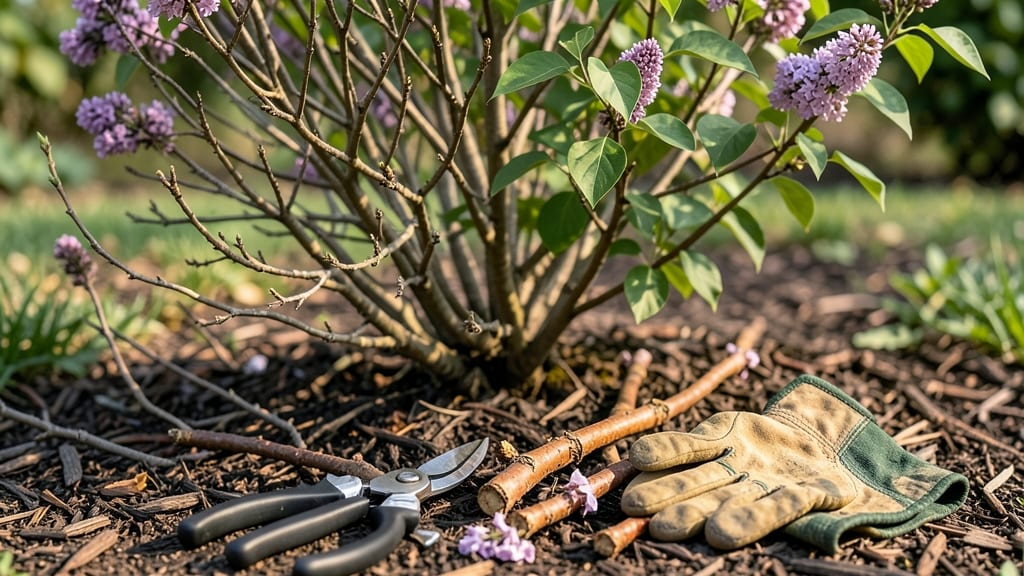
See the before and after of a pruned lilac bush—what was once a tangled mess becomes showstopping beauty in just 30 minutes of work. ✂️ I’ve pruned dozens of lilacs—some so overgrown they looked like small trees—and every time, the transformation is shocking.
The secret isn’t aggressive cutting; it’s strategic shaping that lets the plant focus all its energy on blooms instead of struggling with dense growth.
Timing matters most: prune right after the first flush of blooms fades, but before new buds form. That’s usually late May or early June in most climates. You’ll need sharp bypass pruners, a pair of gloves, and a bucket for clippings—no fancy tools, just the right approach.
The goal is to open up the center so sunlight reaches all the branches, which means cutting back about one-third of the oldest wood each year.
After pruning, your bush will reward you with more abundant, larger blooms next season—and fewer pests hiding in thick foliage. The shape becomes balanced, the branches stay strong, and you’ll actually be able to reach the back of the bush without a stepladder.
It’s the kind of transformation that makes neighbors ask, “What did you do?”
Pro tip: If your lilac hasn’t bloomed well, it might be overdue for a rejuvenation prune—cutting back even harder in stages over a few years. Just don’t wait too long; lilacs are forgiving, but they won’t bounce back from years of neglect.
Start now, and you’ll have a bush that’s the envy of the neighborhood by next spring.
📚 In This Guide
- What you need
- Instructions
- Tips and common mistakes
- Wrapping up and next steps
What you need
- ● Pruning shears: Bypass pruners (sharp, 6-8" blades) for clean cuts—1 pair (sterilize with rubbing alcohol before/after use!).
- ● Loppers: Long-handled (for thicker branches)—1 pair (10-12" reach).
- ● Garden gloves: Heavy-duty, cut-resistant (thorns are no joke!)—1 pair.
- ● Disposable pruning bags or bucket: For collecting clippings—1-2 (10-15 gallon capacity).
- ○ Hose with nozzle: To clean tools and rinse off sap—1 (optional but handy!).
- ● Rake or broom: For clearing debris—1.
- ○ Pruning sealant (optional but recommended): Latex-based (for sealing cuts > ½")—1 small bottle.
- ● Check the best pruning time: Late winter/early spring (just before buds swell) or right after blooming (for summer-flowering varieties).
- ● Ensure the bush is healthy: No signs of disease (e.g., powdery mildew) or pests (aphids, borers).
- ● Have a clear plan: Sketch or mentally map out which branches to remove (dead, crossing, or overcrowded).
- ● Wear comfortable clothing: Long sleeves/pants to protect from thorns and sap.
Instructions: how to prune a lilac bush for year-round vibrancy
Here's the precise timing and technique I rely on to transform a ragged lilac into a lush, blooming powerhouse.
✂️ Step 1: Prune Immediately After Spring Blooming
Lilacs bloom on old wood, so timing is everything. Wait until 2-4 weeks after flowering—when spent blooms begin to yellow and drop naturally. This gives the bush time to set next year's flower buds while still allowing you to shape the current season's growth.
Start by removing 10-20% of the oldest stems at the base. These are the thickest, woody stems that no longer produce vibrant blooms. Cut them back to the ground to encourage fresh, vigorous growth from the center. I like to make clean, angled cuts just above an outward-facing bud to promote an open, airy shape.
🌿 Step 2: Thin and Shape for Airflow and Light
Next, focus on thinning out crowded branches to improve airflow and sunlight penetration. Look for stems that cross or rub against each other—these create wounds where diseases like powdery mildew can take hold. Remove one-third of the thickest stems from the center, cutting back to a strong lateral branch or the main trunk.
For shaping, I step back every few cuts to visualize the bush's natural form. Lilacs grow in a rounded, vase-like shape, so avoid shearing into a boxy form. Instead, use hand pruners to shorten overlong branches by one-third to encourage bushier growth. Watch for water sprouts (thin, upright shoots) and remove them completely—they drain energy from flowering.
☀️ Step 3: Maintain Through Late Summer and Early Fall
After the initial spring pruning, lilacs need minimal maintenance, but late summer is the time for light touch-ups. Remove any dead, diseased, or crossing branches as they appear. This prevents the spread of pathogens and keeps the bush looking tidy. I also trim back any overly leggy growth that appears after flowering to maintain the bush's compact shape.
In early fall, give your lilac a final check for suckers—those vigorous shoots growing from the base. These compete with the main plant for nutrients. Snip them off at the ground level. Avoid heavy pruning now, as it stimulates new growth that won't harden off before winter. The goal is to clean up without stimulating.
⏰ Step 4: Winter Preparation for Spring Renewal
Winter is the time to plan rather than prune, but there are still tasks to ensure a vibrant spring. After the first hard frost, rake up and dispose of any fallen leaves or debris around the base—this prevents fungal diseases from overwintering. If your lilac is older than 10 years, consider a rejuvenation pruning in late winter (just before buds swell), cutting back one-third of the oldest stems each year over three years.
Mulch the base with 2-3 inches of organic mulch (like shredded bark) to protect roots from freeze-thaw cycles. Avoid piling mulch against the trunk, as this can cause rot. This is also the time to feed the soil with a balanced, slow-release fertilizer (like 10-10-10) to replenish nutrients lost during the growing season. Your lilac will reward you with more abundant blooms next spring.
Tips & tricks for perfect lilac pruning results
Transforming a lilac from overgrown to vibrant takes more than just cutting—here's what I've learned to make every snip count.
Timing is Everything: The 2-4 week window after flowering is critical because lilacs bloom on old wood. If you prune too early, you risk removing next year's flower buds that are already forming. I mark my calendar as soon as the first blooms fade—this gives me plenty of time to prepare my tools and schedule the pruning before the buds set. Watch for when about 70% of the blooms have dropped naturally; that's your cue to start.
The Angle Matters: When cutting back those thick, woody stems in Step 1, always make clean, angled cuts just above an outward-facing bud. This angled cut prevents water from pooling on the wound, which could lead to rot. I like to visualize the bud as a tiny arrow pointing in the direction I want new growth to go—this simple technique creates a more open, airy shape that allows sunlight to reach all parts of the bush. Use sharp pruners to avoid crushing the stem, which can stress the plant.
Visualize the Vase Shape: Lilacs naturally grow in a rounded, vase-like form, so resist the urge to shear into a boxy shape. Step back every few cuts to visualize how the bush is taking shape—this helps you balance the thickness of branches on all sides. In Step 2, when you're removing one-third of the thickest stems, focus on creating a central opening that allows sunlight to penetrate to the inner branches. This not only improves airflow but also encourages more blooms throughout the bush.
Tool Prep Prevents Problems: Before you begin, take 5 minutes to sharpen your pruners and clean them with rubbing alcohol. Dull blades tear stems rather than making clean cuts, which can damage the plant. I also keep a small spray bottle of diluted bleach solution (1 part bleach to 9 parts water) handy to disinfect my tools between cuts on different branches. This simple step prevents the spread of diseases like powdery mildew that can hide in your tools.
Pro Tips for Before And After Pruned Lilac Bush
- Transforming a lilac from overgrown to vibrant takes more than just cutting—here's what I've learned to make every snip count.
- Timing is Everything: The 2-4 week window after flowering is critical because lilacs bloom on old wood.
- The Angle Matters: When cutting back those thick, woody stems in Step 1, always make clean, angled cuts just above an outward-facing bud.
Frequently asked questions
about pruning lilac bushes—because even pros need a little clarity! Here are answers to the most common questions to help you achieve that before-and-after transformation with confidence.When is the best time to prune a lilac bush for maximum blooms?
The ideal time is right after flowering (late spring to early summer). This ensures you don’t cut off next year’s buds, which form on old wood. Avoid pruning in fall or winter—it can stimulate late growth that won’t survive frost. Pro tip: If you miss the window, a light trim in early spring (before buds swell) is better than skipping it entirely!
How much can I cut back a mature lilac bush in one pruning session?
For established lilacs, aim to remove 1/3 of the oldest stems at the base each year. Never cut more than 30% of the plant’s total growth at once—this prevents stress and promotes recovery. Thin out crowded centers first, then shape the outer branches. Avoid "topping" (cutting flat across the top)—it creates ugly, weak regrowth!
Why did my lilac bush stop blooming after pruning?
Lilacs bloom on old wood, so aggressive pruning (like cutting back to the ground) removes next year’s flower buds. If blooms disappear, you likely pruned too late (after bud set) or too harshly. Solution: Next year, prune only after flowers fade and focus on thinning stems—not drastic cuts. Patience pays off!
Can I prune a lilac bush in fall or winter?
Pruning in fall or winter is not recommended because it encourages tender new growth that can’t survive cold snaps. If you must prune late, do a light cleanup (removing dead/diseased wood only) in early fall—but skip heavy shaping. Spring is your best bet for shaping!
What if my lilac bush looks leggy after pruning?
Leggy growth happens when you cut too far back or prune at the wrong time. To fix it:
- Fertilize with a balanced 10-10-10 formula in early spring.
- Water deeply 1-2 times per week during dry spells.
- Prune again in late spring to encourage bushier growth.
Wrapping up and next steps
Transforming your lilac bush from overgrown to blooming beauty is totally doable with the right techniques! Pruning at the right time—like right after flowering—can dramatically boost next year’s blooms and keep your shrub healthy. The key is patience, sharp tools, and a little love for your garden. 🌸
Now that you’re armed with tips and tricks, grab those shears and give your lilac bush the fresh start it deserves! For extra care, consider mulching or fertilizing to keep it thriving year-round. Happy pruning!