
Pruning
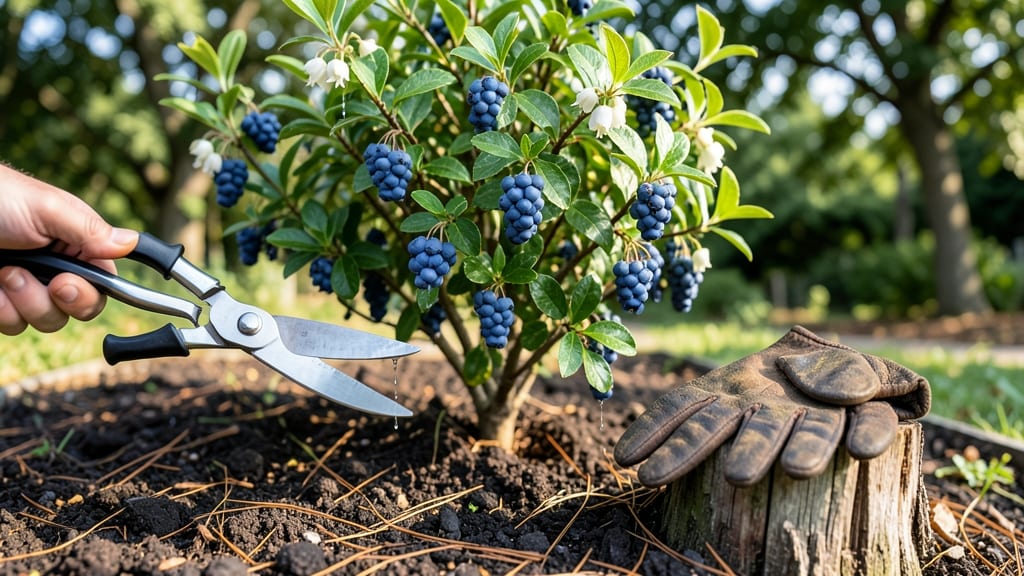
Pruning blueberry bushes at the right time is the key to bigger harvests and healthier plants 🫐 — and late winter is when the magic happens.
Get it wrong, and you could slash your yield by up to 50%, inviting disease or stunting growth. But nail the timing, and you’ll encourage bushier canes, more berries, and fewer pests next season.
Most gardeners in USDA Zones 4-8 should prune between late February and early April, while those in warmer climates can wait until late winter or even early spring. The goal? Remove dead wood and thin out crowded canes before new growth starts.
Below, I’ll walk you through the exact steps, regional adjustments, and common mistakes to avoid—so you can prune with confidence and set your bushes up for a record harvest.
When to prune blueberry bushes for maximum growth and fruit
Timing your blueberry bush pruning correctly in late winter is the secret to unlocking bigger harvests and healthier plants. Pruning at the wrong time—like during active growth or after harvest—can stress your bushes, reduce fruit production, and even invite pests.
The key is to prune while the plant is dormant but before new growth begins, ensuring you remove last year’s dead or weak canes without harming next year’s fruit buds.
Blueberries thrive when pruned in their dormant season, which typically runs from late winter to early spring (February to April in most regions). This window allows you to see the bush’s structure clearly, identify dead wood, and shape it for optimal airflow and sunlight penetration.
Missing this timing can lead to reduced yields or even disease if you prune too late in the season.
Regional adjustments are critical because climate zones dictate when your bushes enter dormancy. In northern climates (USDA Zones 3-5), prune in late March or early April when temperatures consistently stay above 40°F (4°C) but before buds swell. In southern climates (Zones 7-9), prune in January or February to avoid the heat of early spring, which can stress the plant.
Science backs up this timing because blueberries store energy in their roots during dormancy. Pruning too early in winter can expose the plant to frost damage, while pruning too late risks removing flower buds that will produce next year’s fruit.
The ideal window is when the bush is dormant but the ground is thawed enough to work without compacting the soil.
For young blueberry bushes (under 3 years old), prune lightly—focus on removing only dead or diseased canes—to encourage bush growth.
Mature bushes (3+ years) can handle more aggressive pruning, including thinning out older canes (those thicker than a pencil) to improve air circulation and reduce fungal diseases like mummy berry.
Watch for bud swell, a sign that new growth is about to start. If you see buds beginning to open or leaves emerging, you’ve waited too long to prune. This late timing can delay fruiting or reduce the number of fruit clusters your bush produces.
Always prune at least 2-3 weeks before buds swell to give your plant time to recover.
In warmer climates, like Florida or California, prune in late winter to avoid the heat stress of early spring. These regions often have milder winters, so pruning in January or February ensures you’re not cutting into new growth.
If you miss the late-winter window, a light pruning in fall (after harvest) is better than nothing, but avoid heavy cuts that can stress the plant before winter.
Pro tip: Mark your calendar based on your last frost date. Prune 4-6 weeks before the average last frost in your area. This gives your bush time to heal before the growing season kicks in.
For example, in Zone 6a, with a last frost around April 15, aim to prune by mid-March.
Finally, avoid pruning after harvest unless you’re doing light maintenance. Heavy pruning post-harvest can remove next year’s flower buds, which form on one-year-old wood.
Always prioritize late winter for the most effective pruning, and your blueberry bushes will thank you with juicier berries and healthier growth. ✂️🫐
Step-by-step late winter pruning guide for blueberry bushes
Late winter is the perfect window to prune your blueberry bushes because the plant is dormant but about to burst with new growth. This is when you’ll shape the bush, remove dead wood, and encourage a healthier harvest next season.
The key is acting before buds swell—typically between February and early March in most USDA zones.
Before you grab your pruners, gather the right tools: bypass pruners for clean cuts, loppers for thicker branches, disinfectant (like rubbing alcohol), and gloves to protect your hands. You’ll also need a sharpie or tape to mark branches you’re unsure about.
The goal? Open the center of the bush for airflow and sunlight while keeping the structure balanced.
5-Step Late Winter Pruning Checklist
- 1 Remove dead or diseased wood: Cut out any blackened, mushy, or hollow branches at the base. These won’t regrow and can spread disease.
- 2 Thin out crowded canes: Keep only the healthiest 6-8 canes (for mature bushes). Remove thin, weak, or crossing branches to reduce competition.
- 3 Shape the bush: Cut back last year’s fruiting wood (wood that bore fruit) by 1/3 to 1/2 its length. This encourages new fruiting canes.
- 4 Identify healthy vs. diseased branches: Healthy branches have smooth bark and green buds. Diseased branches may have oozing sap or fungal spots—cut these out immediately.
- 5 Clean up and fertilize: Dispose of pruned branches off-site to prevent disease. After pruning, apply acid-loving fertilizer (like cottonseed meal) to replenish nutrients.
✂️ Pro Tip: Always make cuts at a 45-degree angle just above a bud or branch collar for faster healing.
One of the biggest mistakes I see is over-pruning—cutting too much at once can stress the bush and reduce next year’s fruit. Aim to remove no more than 1/3 of the bush’s total growth in a single session.
If your blueberry bush is young (under 3 years old), be even more conservative and only remove dead or damaged wood.
After pruning, give your blueberry bush a light mulch of pine needles or wood chips to maintain soil acidity and retain moisture. This also helps suppress weeds and protects roots from temperature swings.
Water deeply but avoid soaking the soil—blueberries hate soggy roots. Aim for 1-1.5 gallons per plant every 7-10 days until new growth appears.
By following this late winter pruning routine, you’ll set your blueberry bushes up for a bountiful summer harvest. The open structure will improve airflow, reducing fungal diseases like mummy berry, and the focused energy will go toward producing plump, sweet berries instead of excessive foliage.
Happy pruning—and enjoy those juicy blueberries come July! 🫐