
Pruning
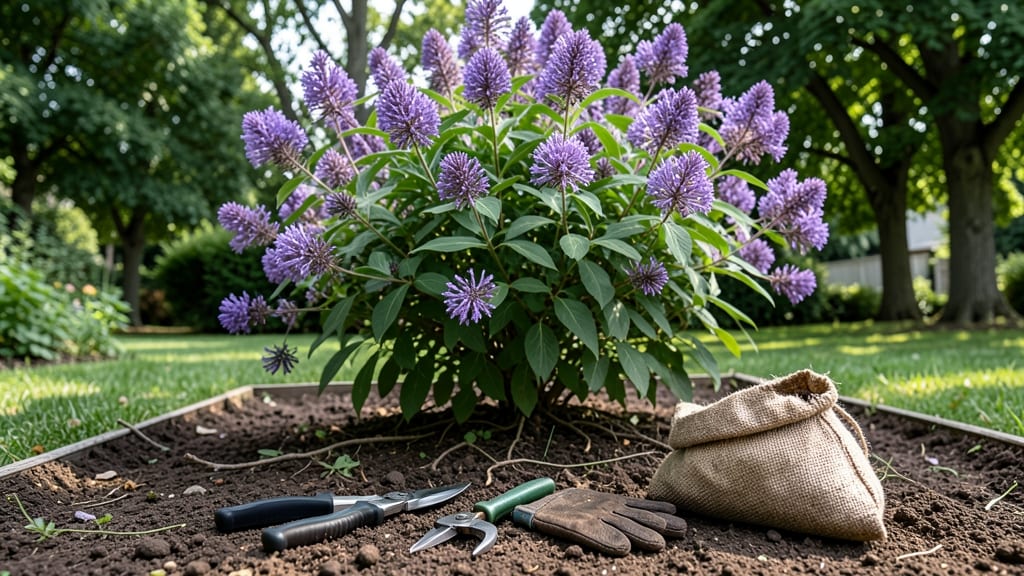
Summer pruning butterfly bush transforms it from a scraggly mess into a vibrant, bushier powerhouse. ✂️ I used to avoid summer cuts, fearing I’d ruin the blooms—but the right timing actually boosts next year’s flowers while keeping your plant healthy now.
The key is deadheading spent blooms before they form seed pods, which saps energy from new growth.
Start in early June after the first flush of flowers fades, and repeat every 2-3 weeks through July. Use clean pruners to snip just above a leaf node (the bump where leaves attach), never cutting into old wood.
For leggy stems, trim back by ⅓ to encourage denser branching—just avoid hacking into thick, woody growth, which won’t regenerate well.
You’ll see the payoff fast: fresh, fragrant blooms appear within weeks, and the plant stays compact enough to fit in small spaces. Post-pruning, give it a light drink and a balanced fertilizer to support recovery. Just skip late-summer cuts—anything after August risks stunting next year’s buds.
Watch for aphids or powdery mildew after pruning (the fresh cuts attract pests). Spray with neem oil if needed, but otherwise, your butterfly bush will reward you with nonstop blooms from late summer into fall. The secret? Prune with the plant, not against it.
📚 In This Guide
- What you need
- Instructions
- Tips and common mistakes
- Wrapping up and next steps
What you need
- ● Pruning shears – Bypass pruners (sharp, clean blades) for clean cuts. Size: 6–8 inches. Quantity: 1 pair.
- ● Loppers – For thicker stems (½ inch or larger). Size: 18–24 inches. Quantity: 1 pair.
- ● Garden gloves – Cut-resistant (e.g., nitrile-coated) to protect hands. Quantity: 1 pair.
- ● Disinfectant – Rubbing alcohol (70%+) or hydrogen peroxide (3%) to sterilize tools between cuts. Quantity: Small bottle.
- ● Heavy-duty trash bags – For removing pruned branches. Size: 13-gallon minimum. Quantity: 2–3 bags.
- ● Garden twine or zip ties – To secure large branches if needed. Quantity: Small roll.
- ● Hand pruners – For delicate trimming (e.g., shaping). Quantity: 1 pair.
- ● Pruning saw – For very thick stems (over 1 inch). Size: 8–10 inches. Quantity: 1.
- ● Plant food – Balanced fertilizer (10-10-10) or compost to replenish nutrients post-pruning. Quantity: As needed.
- ● Hose or watering can – To rinse tools and refresh the plant afterward.
- ● Safety glasses – If dealing with thorny branches or debris.
Step-by-Step guide to pruning butterfly bush in summer
Summer pruning keeps your butterfly bush thriving while maintaining its stunning blooms—here’s how to do it right.
✂️ Step 1: Identify and Remove Dead or Diseased Wood
Start by inspecting your butterfly bush for any branches that are brown, mushy, or showing signs of disease. These dead or dying stems won’t recover and can spread problems to healthy growth. Grab your pruning shears and cut back any affected branches all the way to the main stem or ground level. This ensures you’re removing the entire compromised section, not just the damaged tip.
I like to work in the early morning when the plant is still hydrated from overnight watering. This makes it easier to spot hidden issues—like hollow stems or fungal spots—that might not be visible later in the day. If you find a branch that’s partially dead, cut it back to the last healthy bud or growth node. You’ll know it’s healthy if the wood feels firm and the bark looks intact.
✂️ Step 2: Thin Out Crowded Branches for Better Airflow
Butterfly bushes grow thick and bushy, but too many branches competing for space can lead to weak growth and fewer blooms. Look for stems that cross over each other or grow inward toward the center of the plant. These are your targets for thinning. Cut them back to the main stem or a strong outward-facing bud, making your cuts at a 45-degree angle just above the bud.
Real talk: Don’t be afraid to remove up to one-third of the plant’s total branches if needed. This might sound drastic, but thinning encourages stronger, more vibrant new growth. You’ll notice the plant’s center opens up, allowing sunlight and air to reach all parts of the bush—this is key for preventing fungal issues and encouraging more blooms.
✂️ Step 3: Lightly Prune to Encourage Bushier Growth
Now focus on shaping the plant by trimming back the tips of the remaining branches. Cut just above a set of healthy leaves or buds, making sure to leave at least 2-3 sets of leaves on each stem. This encourages the bush to branch out rather than grow tall and leggy. For older wood that’s over 3 years old, you can cut it back more aggressively to stimulate new, younger growth.
Here’s the thing—summer pruning should be light to moderate. Avoid heavy pruning that removes more than one-third of the plant’s foliage at once, as this can stress the butterfly bush and reduce flowering. Instead, think of this as a maintenance trim to keep the plant looking its best while still producing vibrant blooms for butterflies and hummingbirds.
✂️ Step 4: Clean Up and Sterilize Your Tools
After pruning, don’t just toss your shears in a drawer—clean and sterilize them to prevent the spread of disease. Wipe the blades with rubbing alcohol or a 10% bleach solution (mix 1 part bleach with 9 parts water), then rinse and dry thoroughly. This step is non-negotiable, especially if your plant had any signs of disease earlier in the season.
While you’re at it, gather up all the pruned branches and dispose of them properly. If you notice any signs of disease on the clippings, avoid composting them—instead, bag them and throw them in the trash. This keeps your garden healthy and prevents reinfection next season. A quick cleanup also makes your workspace look tidier, which is always a bonus.
☀️ Step 5: Water and Fertilize for Recovery
Once you’ve finished pruning, give your butterfly bush a deep watering to help it recover from the stress of trimming. Water at the base of the plant, avoiding the foliage, to prevent fungal issues. Aim for 1-2 inches of water per week, adjusting based on your local rainfall. The goal is to keep the soil consistently moist but not soggy—this encourages strong root growth.
After pruning, feed your butterfly bush with a balanced, slow-release fertilizer (like a 10-10-10 or 20-20-20 formula) to support new growth. Follow the package instructions for application rates, but generally, a light feeding every 4-6 weeks during the growing season is plenty. Avoid heavy fertilization right after pruning, as this can lead to rapid, weak growth that’s more susceptible to pests and disease.
Tips & tricks for pruning butterfly bush in summer
These simple strategies will help you prune your butterfly bush like a pro while keeping it healthy and blooming beautifully.
Timing is Everything: Early morning is ideal for pruning because the plant is fully hydrated from overnight watering. This makes it easier to identify hidden issues like hollow stems or fungal spots that might not be visible later in the day. The plant’s natural moisture also helps it recover faster from the stress of pruning. Confession: I skipped this timing for years and wondered why my bush always looked stressed afterward.
The 45-Degree Angle Secret: When thinning crowded branches in Step 2, always make your cuts at a 45-degree angle just above a strong outward-facing bud. This technique promotes faster healing and directs new growth in the right direction. I learned this the hard way after seeing new shoots grow inward, creating even more congestion. The angle also helps water run off the cut, reducing the risk of fungal infections.
Visual Cues for Healthy Growth: In Step 3, when shaping your bush, look for stems with at least 2-3 sets of healthy leaves before making your cut. Healthy leaves should be vibrant green, firm to the touch, and free from spots or discoloration. Older wood (over 3 years) can be cut back more aggressively, but always leave at least one set of leaves on younger branches to maintain photosynthesis.
Post-Pruning Care: After finishing, don't forget the deep watering and light fertilization mentioned in Step 5. The 1-2 inches of water per week should be applied directly to the soil at the base of the plant. This encourages strong root development without promoting fungal growth from wet foliage. I've found that adding a slow-release fertilizer every 4-6 weeks keeps my butterfly bushes thriving throughout the summer.
Pro Tips for Pruning Butterfly Bush In Summer
- These simple strategies will help you prune your butterfly bush like a pro while keeping it healthy and blooming beau...
- Timing is Everything: Early morning is ideal for pruning because the plant is fully hydrated from overnight watering....
- The 45-Degree Angle Secret: When thinning crowded branches in Step 2, always make your cuts at a 45-degree angle just...
Frequently asked questions
Got questions about summer pruning for your Buddleia (butterfly bush)? You’re not alone! Here are answers to the most common concerns—so you can prune with confidence and keep those blooms thriving.
Can I prune butterfly bush too late in summer?
While late-summer pruning (August–early September) is still safe, avoid heavy cuts after mid-August in colder zones. This gives plants time to harden off before frost. Stick to light shaping or deadheading to encourage new blooms without stressing the bush.
How much should I trim back butterfly bush in summer?
For summer maintenance, aim to remove no more than 1/3 of the plant’s height. Focus on shaping, deadheading spent blooms, and thinning crowded stems. Heavy pruning (like winter cuts) should wait until late fall or early spring to avoid stunting growth.
Will pruning butterfly bush in summer hurt butterfly attraction?
Not if done right! Prune after peak bloom (late summer) to avoid removing flowers butterflies rely on. Leave some spent blooms for seed heads (which also attract pollinators) or opt for light trims that maintain an open, airy structure for easy access.
What if my butterfly bush looks leggy after summer pruning?
Leggy growth is normal—it means your bush is stretching for sunlight! To fix it, prune just above a leaf node (where new growth emerges) and fertilize lightly with a balanced, low-nitrogen feed. Increase watering if soil is dry, and place the bush in full sun for bushier regrowth.
Are there alternatives to pruning butterfly bush in summer?
Yes! If pruning feels overwhelming, try these low-effort options:
- Deadheading: Snip off just the faded flower clusters to redirect energy to new blooms.
- Thinning: Remove a few of the oldest, thickest stems at the base to improve airflow.
- Mulching: Add 2–3 inches of mulch to retain moisture and reduce stress.
Wrapping up and next steps
Pruning your butterfly bush in summer isn’t just about tidying up—it’s a game-changer for lush, vibrant growth and a burst of colorful blooms! 🌸 By following the right techniques, you’ll encourage healthier foliage, better airflow, and even more butterflies flitting through your garden.
Remember to time it right, use the proper tools, and give your plant the care it deserves.
Now that you’re armed with the know-how, roll up your sleeves and get pruning! 🌿 Grab those shears, step outside, and watch your butterfly bush thrive. Need a little extra confidence? Start with just one branch—you’ve got this! For even more gardening tips, check out our pruning guide next.