
Pruning
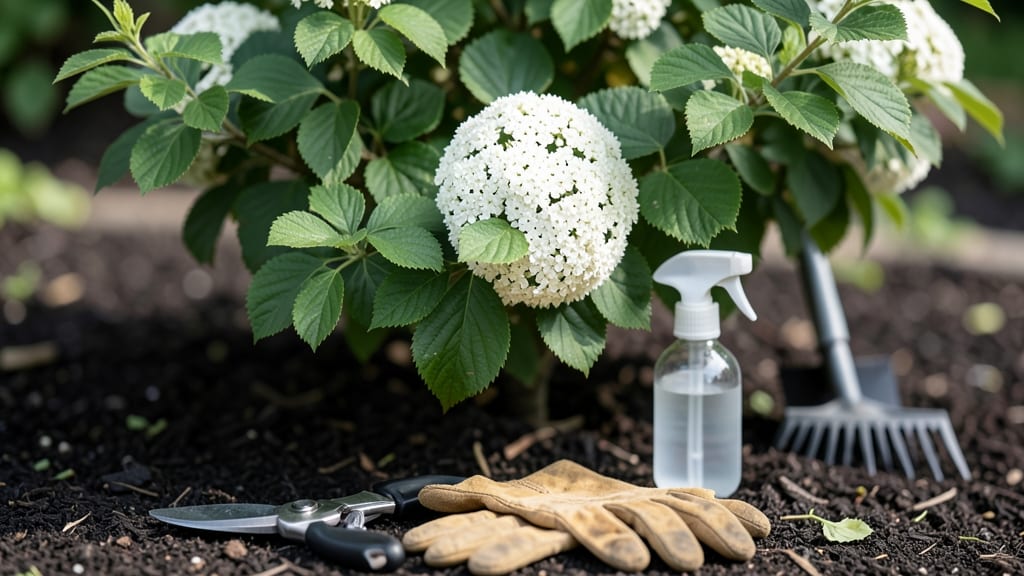
Pruning your snowball tree (Viburnum opulus) transforms it from a scraggly mess into a lush, flowering showstopper. ✨ I’ve pruned mine every year since planting, and the difference in blooms and shape is night-and-day—more branches, bigger flowers, and a fuller form that neighbors envy.
The best time to prune is late winter or early spring, just before new growth starts. You’ll remove dead wood, shape the tree, and encourage fresh growth that blooms later.
Grab your pruners, gloves, and a ladder if needed—this isn’t just about cutting branches, it’s about sculpting your tree’s future. After pruning, you’ll see new shoots emerge within 2-3 weeks, and by summer, your tree will be denser with more blooms than ever.
The key is thinning out crowded branches and opening up the center for airflow—this prevents disease and keeps the tree thriving for decades. Works for both young trees and mature ones needing a rejuvenation. Let’s get those branches looking intentional!
📚 In This Guide
- What you need
- Instructions
- Tips and common mistakes
- Wrapping up and next steps
What you need
- ● Bypass pruners – Sharp, clean, and rated for 2-inch cuts (e.g., Felco F-2 or similar). Quantity: 1
- ● Loppers – For thicker branches (up to 1.5 inches). Quantity: 1
- ● Pruning saw – Only if dealing with stubborn, woody stems (3+ inches). Quantity: 1
- ● Disinfectant (70% isopropyl alcohol or pruning sealant) – To sterilize tools between cuts
- ● Garden gloves – Cut-resistant, snug fit (e.g., Mechanix or heavy-duty leather)
- ● 5-gallon bucket – For collecting debris
- ● Twine or zip ties – To secure large branches temporarily
- ● Ladder or step stool – If tree exceeds 6 feet tall
- ● Hand pruners with ratcheting mechanism – For extra leverage on tough cuts
- ● Pruning paint/sealant – For large cuts (1+ inch) to prevent disease
- ● Tree growth regulator (e.g., Apogee) – To promote bushier growth post-pruning
- ● Reflective vest or high-visibility clothing – For safety in shared spaces
- ● Camera or phone – To document "before" shots for tracking progress!
Step-by-step snowball tree pruning for year-round beauty
Here’s how to shape your snowball bush into a lush, flowering powerhouse—no matter the season.
✂️ Step 1: Prune After Flowering to Encourage Next Year’s Blooms
Timing is everything with snowball trees (Viburnum opulus). The best time to prune is right after the spring blooms fade—typically late May to early June. This gives the plant time to set next year’s flower buds while you shape the branches. Use clean, sharp pruners to make cuts at a 45-degree angle, just above an outward-facing bud.
Remove dead, crossing, or crowded branches first. These compete for energy and weaken the plant. I like to thin out the center first—this improves airflow and reduces disease risk. Watch for water sprouts (thin, upright shoots) and cut them back to the main branch. These sap-suckers drain energy from your showstopper blooms.
🌿 Step 2: Light Structural Pruning in Late Summer
In August, give your snowball tree a light haircut to maintain its shape. This isn’t about heavy cuts—think of it as tidy maintenance. Trim back any branches that grew too long or look leggy. Aim to keep the bush rounded and full, not flat or top-heavy.
Focus on outer branches to encourage bushier growth. If a branch is growing inward, cut it back to the nearest outward-facing bud. You’ll see new shoots emerge from those buds in spring, filling out the plant’s structure. Avoid heavy pruning now—you don’t want to stimulate new growth that won’t harden off before winter.
⏰ Step 3: Winter Pruning for Airflow and Sunlight
Dormant-season pruning in late winter (February) is your chance to clean up and reshape. Start by removing any dead, diseased, or weak branches—these are easy to spot when the tree is bare. Next, thin out 10-20% of the oldest wood to rejuvenate the bush. Older branches produce fewer blooms, so cutting them back encourages younger, more productive growth.
This is also the time to shape the tree’s silhouette. Step back and look at it from all angles—do you see gaps? Prune to create a balanced, open center. Snowball trees bloom on old wood, so avoid heavy cuts that remove last year’s flower buds. A little strategic pruning now means big, lush blooms next spring.
💧 Step 4: Post-Pruning Care for a Strong Recovery
After pruning, water deeply to help the tree recover. Pruning creates fresh wounds, and the tree needs moisture to heal and set new buds. Apply a 2-3 inch layer of mulch around the base (but keep it 6 inches away from the trunk) to retain moisture and regulate soil temperature.
If your tree looks stressed after pruning, give it a balanced fertilizer in early spring. Look for one with equal parts nitrogen, phosphorus, and potassium (like 10-10-10). Avoid high-nitrogen fertilizers—they promote leafy growth at the expense of flowers. Within a few weeks, you’ll see new shoots forming, signaling that your pruning paid off.
Tips & tricks for perfect snowball tree pruning
Mastering the art of snowball tree care starts with these essential tricks that’ll keep your bush thriving year after year.
Timing is Everything: The late May to early June window for post-bloom pruning is non-negotiable if you want next spring’s flowers to be spectacular. I’ve seen gardeners skip this step and end up with sparse blooms—don’t let that be you! If you miss this timing, the absolute latest you can prune is early July, but you’ll sacrifice some flower production. The key is letting the plant recover enough to set flower buds before winter.
Tool Technique: Your pruners make all the difference. Always use clean, sharp pruners—dull tools crush branches instead of making clean cuts, which invites disease. I like to disinfect my pruners with rubbing alcohol between cuts, especially when removing diseased branches. For thicker branches, use loppers or a pruning saw to avoid tearing the bark. The 45-degree angle cut above an outward-facing bud isn’t just aesthetic—it encourages new growth in the right direction.
Seasonal Strategy: Winter pruning (late February) is your chance to rejuvenate the bush by removing up to 20% of the oldest wood. This might sound drastic, but older branches produce fewer blooms and can become woody. Look for branches that are thinner than a pencil or have fewer buds—they’re candidates for removal. The goal is to create an open center that lets sunlight and air circulate, preventing fungal issues that plague dense shrubs.
Recovery Ritual: After pruning, don’t just walk away! Water deeply to help the tree heal, and apply that 2-3 inch layer of mulch (keeping it 6 inches from the trunk) to lock in moisture. I’ve found that adding a handful of compost to the mulch gives an extra nutrient boost. If your tree looks particularly stressed, a balanced 10-10-10 fertilizer in early spring works wonders—just avoid high-nitrogen formulas that’ll give you leaves instead of those prized snowball blooms.
Pro Tips for Snowball Tree Pruning
- Mastering the art of snowball tree care starts with these essential tricks that’ll keep your bush thriving year after...
- Timing is Everything: The late May to early June window for post-bloom pruning is non-negotiable if you want next spr...
- Tool Technique: Your pruners make all the difference. Always use clean, sharp pruners—dull tools crush branches inste...
Frequently asked questions
When is the best time to prune a snowball tree?
The ideal time to prune is late winter or early spring, just before new growth begins. This timing ensures you remove dead or weak branches while stimulating fresh, bushier blooms. Avoid pruning in fall—it can leave cuts vulnerable to winter damage. For light shaping, you can also prune after flowering in summer, but avoid heavy cuts then.
How much can I trim back my snowball tree without harming it?
You can safely remove up to one-third of the tree’s total growth in a single pruning session. For mature snowball trees (like Viburnum opulus), focus on thinning out crowded branches to improve airflow. Avoid over-pruning—this can stress the tree and reduce flowering. If you’re unsure, start conservatively and observe the tree’s response over a season.
Why isn’t my snowball tree flowering as much after pruning?
Snowball trees often need 2-3 years of proper pruning to establish a strong framework for blooms. If flowers are sparse, check for these issues:
- Pruned too late: Late summer/fall cuts can remove next year’s flower buds.
- Over-pruned: Heavy cuts reduce energy for blooms.
- Underwatered/stressed: Ensure consistent moisture and well-draining soil.
Can I prune a snowball tree in containers or small spaces?
Yes! Container-grown snowball trees benefit from regular pruning to control size and shape. Use the same techniques as for in-ground trees, but:
- Prune after flowering to maintain compact growth.
- Avoid root-bound stress—repot every 2-3 years if roots circle the container.
- Use sterilized shears to prevent disease in tight spaces.
What should I avoid when pruning a snowball tree?
Steer clear of these common mistakes:
- Pruning in frost or extreme heat: Stress weakens the tree.
- Leaving stubs: Always cut just above a bud or branch collar.
- Ignoring dead wood: Remove diseased or broken branches immediately.
- Using dull tools: Ragged cuts invite pests and disease.
Wrapping up and next steps
Pruning your snowball tree doesn’t have to be intimidating—with the right tools, techniques, and timing, you can keep it bushier, healthier, and more vibrant year-round! 🌿 Whether you’re trimming for shape, encouraging blooms, or removing dead branches, consistency is key.
Now that you’re armed with expert tips, grab your pruners and give your tree the TLC it deserves.
Ready to take the next step? Mark your calendar for seasonal pruning sessions and watch your snowball tree thrive! 🌸 For extra guidance, explore local gardening forums or consult a horticulturist to tailor your approach.