
Shrubs
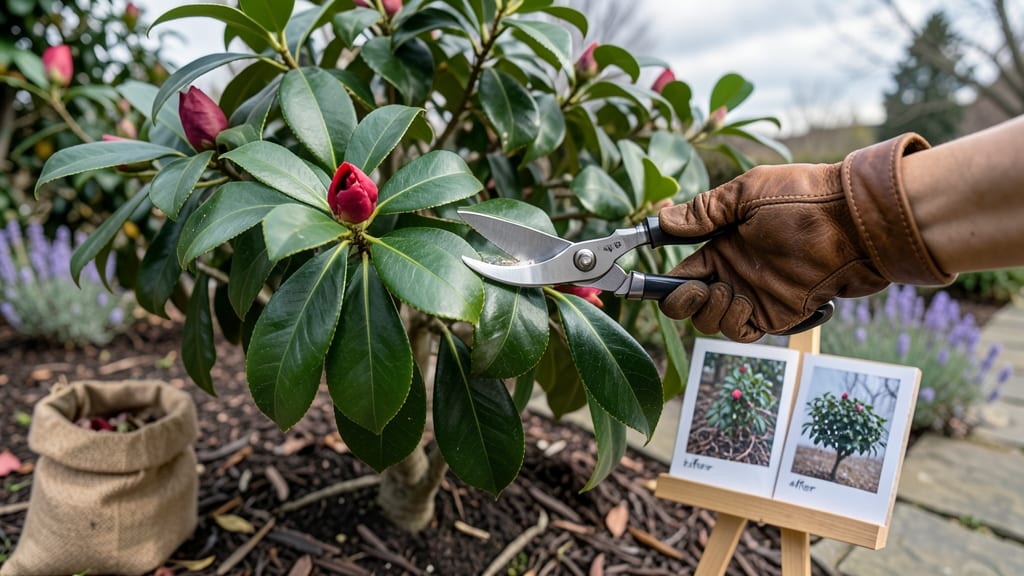
Pruning evergreen shrubs at the right time is the key to keeping them lush and healthy year-round 🌿 — and late winter is the best time to do it.
Picture this: You’ve just trimmed your evergreen shrubs, only to watch them struggle with stunted growth or worse, invite pests into their branches. That’s what happens when you prune at the wrong time. But there’s a science-backed window in late winter that ensures your shrubs bounce back stronger than ever.
Most gardeners avoid pruning in winter, fearing they’ll damage the plants. Yet, late winter—just as buds begin to swell—is actually the perfect moment to shape your evergreens. This timing minimizes stress, encourages fresh growth, and keeps your shrubs looking their best all season.
In this guide, I’ll walk you through the exact steps to prune your evergreen shrubs like a pro, including when to cut, what tools to use, and how to avoid common mistakes that could harm your plants.
Why late winter dormancy is the ideal time to prune evergreen shrubs
Evergreen shrubs like boxwoods, junipers, and azaleas stay green year-round, but their growth cycles follow the same seasonal rules as deciduous plants. The key to keeping them healthy lies in understanding their dormancy phase—a natural resting period that makes late winter the perfect time for pruning.
When you prune during this window, you're working with the plant's biology, not against it.
During dormancy, evergreens conserve energy, reducing stress from pruning cuts. This allows them to focus on vigorous spring growth rather than healing wounds. Pruning at the wrong time—like during active growth—can expose plants to disease, pests, and even death.
The late-winter window balances safety and effectiveness, giving your shrubs a head start on the growing season.
| Pruning Window | Biological Reason | Growth Impact | Risk if Pruned Wrong |
|---|---|---|---|
| Late Winter (Feb-Mar) | Plant is dormant; minimal stress from cuts | Promotes dense foliage and stronger blooms | None (ideal timing) |
| Early Spring (Apr) | New growth begins; plant vulnerable to damage | Can stunt growth or invite pests | Excessive sap flow, fungal infections |
| Summer (Jun-Aug) | Active growth phase; high water loss | Can shock plant and reduce flowering | Sunburn risk, disease entry points |
| Fall (Sep-Nov) | Preparing for dormancy; cuts may not heal | Limited regrowth before winter | Weakened winter resilience |
The specific late-winter window I recommend is after your region's last hard freeze but before new growth appears. For most of the U.S., this falls between mid-February and early March.
Check your local frost dates—pruning too early can damage tender new buds, while waiting too long risks encouraging pests and diseases.
Evergreens like boxwoods and holly benefit most from late-winter pruning because they bloom on old wood. Cutting back in late winter removes dead growth without sacrificing next year's flowers.
In contrast, azaleas and rhododendrons bloom on new wood, so prune them immediately after flowering to avoid trimming off potential blooms.
Pruning in spring or summer harms evergreens by exposing fresh cuts to intense sunlight, which can cause sunburn and dehydration. Summer pruning also stresses plants during their peak growth phase, leading to weakened roots and sparse foliage.
The late-winter approach ensures your shrubs enter their growing season with clean canopies and minimal stress.
To prepare, sharpen your pruners and sterilize them with rubbing alcohol to prevent spreading disease. Focus on removing dead, crossing, or overcrowded branches first. Thin out the center to improve airflow, which reduces fungal risks.
For formal shrubs like boxwoods, maintain their shape by cutting back 1/3 of last year's growth at a 45-degree angle.
After pruning, apply a layer of mulch around the base to retain moisture and regulate soil temperature. Water deeply but avoid soaking the foliage, as wet leaves can harbor mold and mildew.
Monitor your shrubs for new growth in 4-6 weeks—vigorous shoots mean you've pruned at the perfect time!
If you're unsure about the timing, observe your evergreens closely. Look for swollen buds or pale green tips, which signal new growth is about to begin. That’s your cue to stop pruning until next late winter.
With the right timing, your evergreen shrubs will reward you with denser foliage, stronger stems, and healthier blooms all season.
Step-by-step late-winter pruning guide for different evergreen types
Late-winter pruning transforms your evergreen shrubs from ragged to refined, but timing and technique vary dramatically by species. Boxwoods, junipers, and azaleas all respond best to different approaches—yet they share one critical rule: prune only after the last hard frost when new growth is imminent but hasn't yet begun.
This 4-6 week window (typically February-March in most climates) minimizes stress and maximizes spring vitality.
Before grabbing your shears, identify dead vs. live growth—a skill that separates amateur trims from professional results. Live branches snap with a slight bend and have vibrant green or blue-green foliage, while dead branches snap cleanly and crumble like dry kindling.
For needle evergreens like junipers, yellowing needles signal the need for removal, while brown tips on boxwoods often mean winter burn rather than death.
⚠️ callout-warning
Pruning evergreens too early (mid-winter) risks frost damage to fresh cuts, while pruning too late (spring) removes potential flowering buds. Best window: After 3 consecutive days above 40°F but before bud swell appears. In Zone 7+, aim for late February; in Zones 4-6, wait until March to avoid late frosts.
For boxwoods and formal hedges, use a sharp bypass pruner to make clean cuts just above a leaf bud or at a 45-degree angle for better water runoff.
Maintain the plant's natural V-shape by removing no more than 1/3 of the oldest growth annually. Thin out dense centers to improve airflow—this prevents fungal diseases like box blight that thrive in humid conditions.
Junipers and arborvitae demand a gentler touch. Avoid heavy shearing; instead, selectively prune to maintain their natural conical shape. Use hand pruners for small branches and loppers for thicker stems. For blue-tipped varieties, focus on removing brown or discolored tips rather than reshaping. Never cut into old wood—new growth won't form on woody stems older than 3 years.
Azaleas and rhododendrons require special attention to their flowering cycle. Prune immediately after blooming to avoid removing next year's buds, which form on old wood. Use clean, sterilized shears to prevent spreading root rot or aphid infestations. Thin out crossing branches and overcrowded stems to encourage larger, showier blooms. Never prune more than 25% of the plant in a single year.
After pruning, sanitize tools with rubbing alcohol and apply a balanced fertilizer (10-10-10) to support new growth. Mulch around the base with 2-3 inches of organic matter to retain moisture and regulate soil temperature.
Water deeply but avoid soaking the foliage, which can promote fungal diseases. Monitor your shrubs for new growth in 4-6 weeks—vigorous shoots signal successful pruning!