
Pruning
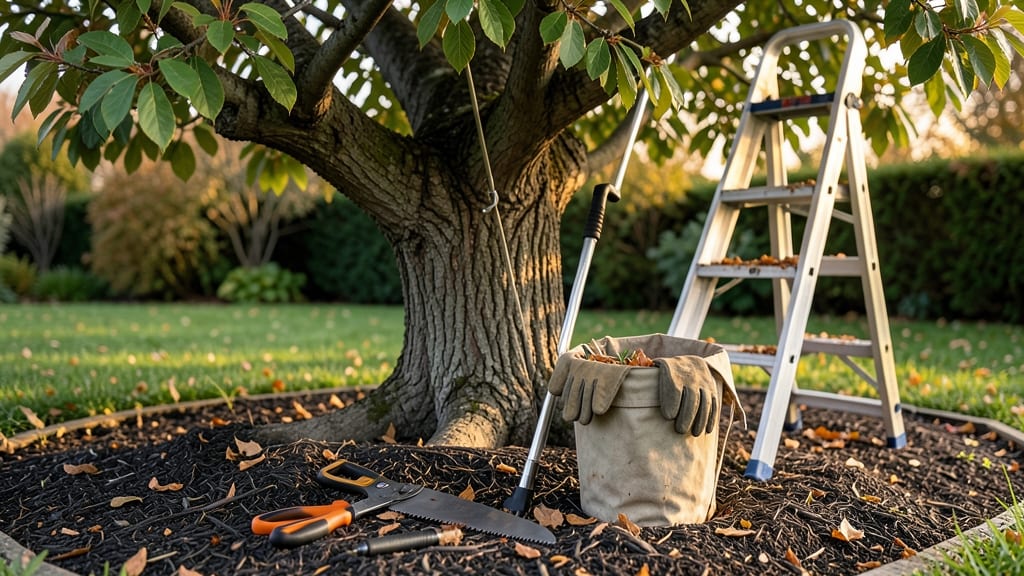
Pruning big trees isn't just about cutting branches—it's about preserving their strength and beauty for decades. ✂️ I learned the hard way when a poorly made cut led to a dead limb and a weakened trunk. The right technique keeps your trees healthy, safe, and structurally sound year after year.
You'll need sharp tools, proper safety gear, and a clear understanding of branch selection. Most people focus only on size, but the best cuts consider the tree's natural growth patterns and health. A single mistake can invite disease or weaken the tree's core—so precision matters more than speed.
By following these steps, you'll see stronger branches, fewer weak spots, and a tree that looks better every season. The long-term payoff is a yard where trees stand tall, shade generously, and resist storms like they've been there forever.
For oaks and maples, timing matters—spring is ideal for most cuts, but some species need winter pruning. Know when to call a pro (hint: if the tree is near power lines or over 50 feet tall). Let's get those branches trimmed right.
📚 In This Guide
- What you need
- Instructions
- Tips and common mistakes
- Wrapping up and next steps
What you need
- ● Pruning Shears (Hand Pruners): Bypass pruners (sharp, 7-9" blades) for small branches.
- ● Loppers: 20-24" bypass or anvil loppers for medium branches (2-4" diameter).
- ● Pruning Saw: Curved-tooth pruning saw (12-18" blade) for thick branches (4"+ diameter).
- ● Pole Pruner: Extendable (10-20 ft) for high branches—non-serrated blades only!
- ● Rope or Grapple Hook: 50-100 ft of static rope (½" diameter) + carabiners for lowering debris.
- ● Work Gloves: Heavy-duty, cut-resistant gloves (ANSI-rated) to protect hands.
- ● Hard Hat & Safety Glasses: Non-negotiable—debris flies fast!
- ● Ladder or Lift: Aluminum extension ladder (24-32 ft) or a cherry picker for large trees.
- ● Tarps or Tarps: 10x12 ft heavy-duty tarps to catch falling branches.
- ○ Pruning Sealer: Tree wound sealant (optional but helpful for large cuts >2" diameter).
- ● Chainsaw: Only if removing large limbs (>6" diameter)—use with extreme caution!
- ● Stump Grinder: For post-pruning cleanup of larger stumps.
- ● First Aid Kit: Bandages, antiseptic wipes, and tweezers for minor injuries.
- ● Tree Bag or Netting: To lower heavy branches safely (50-100 lb capacity).
- ● Weather Check: Avoid pruning during wet or windy conditions—safety first!
Step-by-Step guide to pruning big trees safely
Here's how I prune large trees without harming their health or structure—techniques that work year-round.
✂️ Step 1: Assess the Tree and Plan Your Cuts
Start by examining the tree from all sides, looking for dead, diseased, or crossing branches. I focus on three key areas: branches rubbing together, those growing toward the center, and any with signs of disease like discoloration or fungal growth. Use a pair of binoculars if the tree is tall—you'll spot issues you'd miss from the ground.
Mark your cuts with a piece of tape or spray paint. This prevents over-pruning and helps you visualize the final shape. Remember, never remove more than 25% of the tree's canopy in one session—this stresses the tree and can lead to decline. For large trees, I often split pruning into two seasons to avoid overloading the system.
✂️ Step 2: Use the Right Tools and Techniques
For branches over 3 inches thick, use a pruning saw with a curved blade—it makes cleaner cuts that heal faster. For smaller branches, a sharp bypass pruner is ideal. Dull tools tear bark and leave jagged edges, which invite pests and disease. I always test my tools on a small branch first to ensure they're sharp enough to cut cleanly.
Make cuts at the branch collar—the swollen area where the branch meets the trunk. Cut just outside the collar, angled slightly downward to allow water to run off. Avoid leaving stubs; they rot and weaken the tree. If a branch is too large to cut in one motion, make a notch on the underside first to control the direction of the fall.
☀️ Step 3: Prune for Structure and Safety
Remove branches that grow toward the center of the tree first—they compete for sunlight and weaken the structure. Next, tackle crossing branches, cutting the smaller of the two to reduce stress. I always step back after each cut to check the tree's balance. Uneven pruning can cause the tree to lean or become top-heavy, especially in windy conditions.
For large limbs, use the "three-cut method" to avoid tearing the bark: First, make an undercut about 18 inches out from the trunk. Then, cut about 12 inches farther out to create a notch. Finally, cut just outside the branch collar. This prevents the branch from tearing as it falls. Wear gloves and safety glasses—branches can snap unexpectedly.
🌿 Step 4: Clean Up and Protect the Tree
After pruning, remove all debris from the area, including small branches and leaves. Leaving them on the ground can harbor pests and disease. I also sterilize my tools with rubbing alcohol or a bleach solution to prevent spreading pathogens between cuts. For large trees, I apply a tree wound sealant only if the cut is over 2 inches in diameter—smaller wounds seal naturally and benefit from exposure to air.
Water the tree deeply after pruning to help it recover, especially during dry spells. Avoid fertilizing immediately, as new growth can stress the tree further. Monitor the pruned areas for 2-3 weeks—if you see oozing sap or fungal growth, the cuts may need adjustment. Pruning wounds take time to heal, but proper technique ensures the tree stays strong and healthy for years.
Tips & tricks for safe big tree pruning
These simple but game-changing strategies will help you prune like a pro while keeping your big trees healthy and thriving.
Visual Assessment Tip: In Step 1, when assessing your tree, look for branches with bark that's cracked, peeling, or has unusual growths—these are often signs of disease. I've seen many pruners miss these subtle clues because they focus only on obvious deadwood. Use a flashlight to inspect the tree's underside during daylight hours, as shadows can hide important details.
Seasonal Strategy: The instructions mention splitting pruning into two seasons for large trees, but here's what nobody tells you—late winter to early spring (just before buds swell) is actually the best time for most trees. This timing gives the tree time to heal before summer stress. For oaks, maples, and elms, avoid late summer pruning entirely—they're especially vulnerable to disease at that time.
Tool Test: Before making any cuts in Step 2, perform this quick test: Cut a small twig with your pruners—if it makes a clean break without splintering, your tools are sharp enough. Dull tools don't just make messy cuts; they also crush the bark, which can kill the branch. I keep a small file in my tool bag to sharpen blades between uses, and it's saved me from ruining multiple cuts.
Safety First: When using the three-cut method in Step 3, always have a clear escape path behind you. Even with proper technique, branches can fall unexpectedly. I've seen people get pinned when they're positioned too close to where the branch will land. Also, wear sturdy shoes with good traction—wet leaves and branches make ladders slippery, and you don't want to end up on the ground.
Pro Tips for Big Tree Pruning
- These simple but game-changing strategies will help you prune like a pro while keeping your big trees healthy and thriving.
- Visual Assessment Tip: In Step 1, when assessing your tree, look for branches with bark that's cracked, peeling, or has unusual growths—these are often signs of disease.
- This timing gives the tree time to heal before summer stress.
Frequently asked questions
Got questions about big tree pruning?
You’re not alone! Whether you’re a first-timer or a seasoned gardener, these answers will help you tackle the job with confidence—and keep your trees thriving.
When is the best time to prune big trees?
The ideal window is late winter or early spring (just before buds swell) to minimize stress and disease risk. Avoid heavy pruning in late summer or fall, as new growth may not harden off before winter. Exception: Light pruning to remove dead branches can happen year-round.
Can I prune a big tree myself, or should I hire a pro?
For trees over 30 feet tall or near power lines, call an arborist—safety first! DIY is fine for smaller trees (under 20 feet) with the right tools (pole saw, harness, etc.). Warning: Never attempt work above shoulder height without proper gear or training.
How much does professional big tree pruning cost?
Costs vary widely: $300–$1,500+ depending on tree size, location, and complexity. A basic pruning (removing limbs) might run $200–$500, while crown reduction (shaping) or emergency removals can exceed $1,000. Pro tip: Get 2–3 quotes and ask about insurance coverage!
What if it rains right after pruning?
Light rain (under 0.5 inches) won’t hurt, but heavy downpours can clog cuts with dirt or cause fungus growth. Wait 3–5 days for dry weather to seal wounds properly. If pruning in wet conditions, work early in the day to allow cuts to dry before nightfall.
Will pruning my big tree kill it?
Not if done correctly! Never remove more than 25% of the canopy at once—this starves the tree. Focus on dead, diseased, or crossing branches first. Over-pruning weakens roots and invites pests. Signs of stress: Yellowing leaves, oozing sap, or stunted growth.
What’s the fastest way to heal pruning wounds?
Use a clean, sharp saw for smooth cuts (avoid tearing bark). Prune at the branch collar (the swollen area where the branch meets the trunk) and don’t paint wounds—it traps moisture. Healthy trees seal cuts naturally in 1–2 years; larger wounds may take longer.
Wrapping up and next steps
Big tree pruning isn’t just about keeping your landscape tidy—it’s a year-round investment in your trees’ health, safety, and long-term beauty. 🌳 By mastering the right techniques, timing, and tools, you’ll encourage strong structural growth while minimizing risks.
Whether you’re a DIY enthusiast or a seasoned gardener, every trim brings you one step closer to a thriving, resilient canopy.
Ready to take action? Start by inspecting your trees this season—note any overgrowth, dead branches, or structural concerns. For larger projects or complex pruning, don’t hesitate to consult a certified arborist. Your trees (and future shade lovers!) will thank you. 🌟