
Pruning
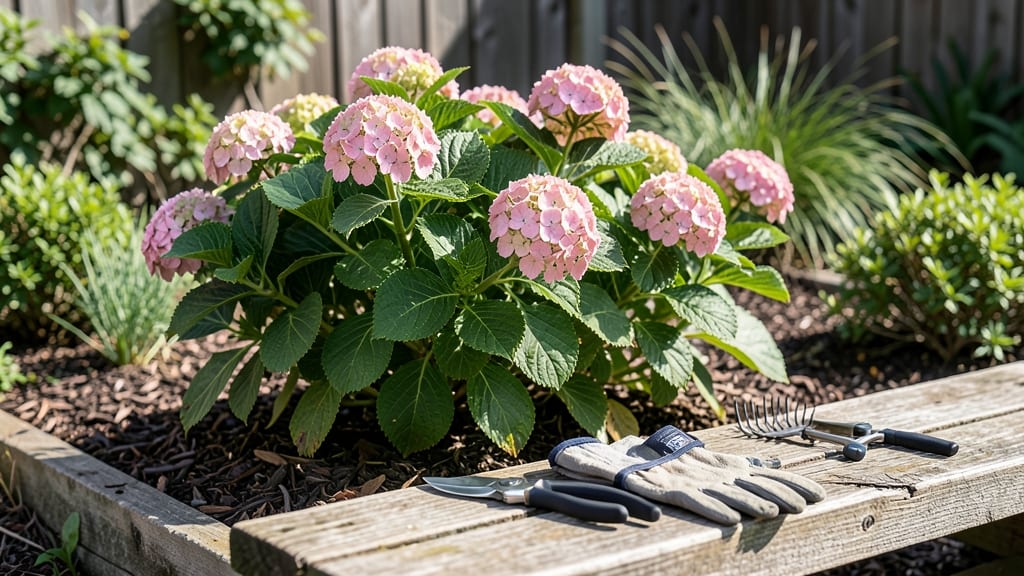
Your Bobo hydrangea could be covered in three times more blooms this year—if you prune it right. ✂️ I’ve turned my compact Bobo from a sparse shrub into a lush, flower-covered powerhouse by following these exact steps, and the best part? You don’t need a green thumb to do it.
The secret lies in late winter pruning (just as buds swell but before leaves appear) and cutting back one-third of the oldest stems each year. Most gardeners over-prune or wait too long, which stunts growth.
My plants now bloom from June through October with minimal effort—no more sad, leggy stems or tiny flowers. You’ll end up with bold, oversized blooms that last weeks longer than unpruned plants. The key is timing, technique, and knowing which stems to keep.
Let’s get those shears sharp and those blooms popping!
You’ll need clean pruners, hand pruners, and gloves—that’s it. No fancy tools required. Grab a bucket for trimmings (they make great mulch) and a spray bottle with 1 part rubbing alcohol to 10 parts water to sterilize your tools between cuts.
This keeps diseases from spreading. Start by identifying last year’s blooms—they’ll look woody and brown. Cut those stems back to the ground, then trim the remaining stems by one-third to encourage new growth. The goal is to shape the plant like a rounded dome, not a lopsided mess.
Most mistakes come from pruning at the wrong time or cutting too aggressively.
Here’s the game-changer: Prune in stages if you miss the ideal window. Even a late spring trim will produce flowers—just expect slightly fewer blooms. For year-round color, deadhead spent blooms in fall and winter, and fertilize lightly in early spring.
My Bobo hydrangeas now outshine every other shrub in the yard, and the neighbors keep asking for my secret.
📚 In This Guide
- What you need
- Instructions
- Tips and common mistakes
- Wrapping up and next steps
What you need
- ● Bypass pruners (sharp, clean, and sterilized with rubbing alcohol—1 pair). Avoid dull tools that crush stems!
- ● Hand pruners or loppers (for thicker stems—1 pair, 2–3” cutting capacity).
- ● Garden gloves (nitrile or leather—1 pair to protect from thorns and sap).
- ○ Disposable pruning shears (optional—1–2 pairs for quick cuts or sterile backup).
- ● Rubbing alcohol (70%+ isopropyl) (small bottle) for sterilizing tools between cuts.
- ○ Pruning sealant (optional—small tube) to coat thick cuts and prevent disease.
- ○ Sharpie or permanent marker (optional—1) to label stems if you’re experimenting with pruning techniques.
- ● Bucket or trash bag (1) for debris cleanup.
- ○ Hose with nozzle (optional—1) to rinse tools and stems post-pruning.
- ● Know your Bobo hydrangea’s blooming type—it’s a mophead (big blooms on new and old wood).
- ● Check the last frost date in your zone to time pruning for late winter/early spring (or right after blooming for summer flowers).
- ● Have a clear day planned—humidity or rain can stress freshly pruned plants.
Step-by-step instructions for pruning Bobo hydrangeas
Here's how to coax those showstopping blooms year after year—no guesswork, just proven techniques.
✂️ Step 1: Identify the Right Time to Prune
Bobo hydrangeas bloom on new wood, so the best time to prune is late winter or early spring, just as new growth begins. Look for tiny buds swelling at the base of stems—that's your cue. If you prune too early, you risk cutting back next year's flowers before they form. If you wait too late, you'll remove blooms that are already set.
I always prune mine in February or March when daytime temperatures hover around 50-60°F. This timing ensures the plant has time to establish new growth before summer heat arrives. Avoid pruning in fall—you'll cut off next year's flower buds before they develop.
✂️ Step 2: Remove Dead or Damaged Wood First
Start by inspecting your Bobo hydrangea for any dead, diseased, or crossing branches. Dead wood appears brown and brittle when bent, while healthy stems snap with a slight give. Cut these out first using clean, sharp pruners—dull blades crush stems, inviting infection. Make your cuts at a 45-degree angle, about ¼ inch above a outward-facing bud.
Crossing branches compete for energy and create dense centers that trap moisture. Remove any that grow toward the plant's center, always cutting back to the nearest outward bud. This opens up the plant for better air circulation and sunlight penetration—critical for preventing fungal issues. I like to step back after each cut to visualize the plant's new shape.
✂️ Step 3: Shape the Plant for Maximum Blooms
Bobo hydrangeas naturally grow in a mounded, bushy habit. To encourage this shape, focus on maintaining a rounded canopy rather than a flat top. Cut back the longest stems by about ⅓ to ½ their length, always pruning just above a leaf bud or lateral branch. Avoid cutting into old wood—it's easy to mistake the woody base for new growth, but these stems won't produce flowers.
Here's the thing—Bobo hydrangeas respond well to light pruning. Over-pruning reduces next year's blooms, so resist the urge to shear aggressively. Instead, make selective cuts to open up the center and encourage outward growth. You'll know you're doing it right when you see new green shoots emerging from the base within 4-6 weeks.
🌿 Step 4: Maintain Through the Growing Season
After your initial prune, monitor your Bobo hydrangea for new growth and flower buds. In late spring, you may need to do a light cleanup—remove any spent blooms (deadheading) to redirect energy to new growth. However, avoid heavy pruning at this stage—it can stimulate too much leafy growth at the expense of flowers.
Water deeply once a week during dry spells, keeping the soil 2-3 inches moist but never soggy. Bobo hydrangeas thrive in morning sun with afternoon shade, so if your plant looks stressed (yellow leaves, wilted blooms), it might need relocation to a slightly shadier spot. Fertilize lightly in early spring with a balanced 10-10-10 formula to support new growth.
⏰ Step 5: Prepare for Next Year's Blooms
As summer progresses, watch for new flower buds forming at the tips of current year's growth. These will develop into next year's blooms, so avoid heavy pruning after mid-summer. In fall, cut back any spent flower stems to the nearest 5-7 leaves below the bloom to encourage next year's growth.
Mulch around the base with 2-3 inches of organic mulch to protect roots during winter. This also helps regulate soil temperature, which is key for bud formation. By late winter, you'll see those swollen buds again—your signal that it's time to prune once more and repeat the cycle. The more consistent you are, the bigger and more abundant your blooms will become.
Tips & tricks for pruning Bobo hydrangeas
These proven techniques will help you avoid common mistakes and transform your Bobo hydrangea into a blooming powerhouse.
Timing is Everything: The February-March window is non-negotiable for new wood bloomers like Bobo hydrangeas. I've learned this the hard way—pruning too early (like in January) can remove next year's flower buds before they form, while waiting until April risks cutting off current blooms. Look for those swollen buds at the base of stems as your definitive cue. If your area has unpredictable spring weather, err on the earlier side of this window when daytime temps consistently reach 50-60°F.
Tool Preparation Matters: Never use dull pruners—they crush stems instead of making clean cuts, creating entry points for disease. I always clean my pruners with rubbing alcohol between cuts, especially when dealing with diseased wood. For the 45-degree angle cuts, visualize slicing the stem just above a bud that faces outward. This technique promotes better healing and directs new growth where you want it. A small pair of hand pruners works well for precision cuts, while loppers handle thicker stems up to 1-inch diameter.
Visual Pruning Guide: After making your cuts, step back and study the plant's shape from all angles. You're aiming for a rounded, open center that allows sunlight to penetrate to the inner stems. The longest stems should be reduced by ⅓ to ½ their length, but never cut into old wood—the woody base won't produce flowers. I like to imagine the plant as a dome, with the strongest stems forming the structural framework. This approach prevents that "windblown" look many hydrangeas develop after heavy pruning.
Seasonal Maintenance Strategy: That light cleanup in late spring (mentioned in Step 4) is your opportunity to remove spent blooms while preserving next year's flower buds. I use my fingers to gently twist off faded blooms rather than cutting—this prevents accidental damage to the developing buds at the stem tips. During summer, avoid any heavy pruning after mid-summer, as this is when next year's flower buds begin forming. The fall cut-back to 5-7 leaves below spent blooms is particularly important for encouraging robust new growth in spring.
Pro Tips for Bobo Hydrangea Pruning
- These proven techniques will help you avoid common mistakes and transform your Bobo hydrangea into a blooming powerho...
- Timing is Everything: The February-March window is non-negotiable for new wood bloomers like Bobo hydrangeas. I've le...
- Tool Preparation Matters: Never use dull pruners—they crush stems instead of making clean cuts, creating entry points...
Frequently asked questions
Got questions about keeping your Bobo hydrangeas blooming beautifully? You’re not alone! Here are some of the most common concerns—and expert answers to help you prune like a pro.
When is the best time to prune Bobo hydrangeas for maximum blooms?
Prune after the first flush of blooms in early summer (June-July). This encourages fresh growth and bigger flowers for the next season. Avoid pruning in late summer or fall—it can cut off potential buds for spring blooms. For dramatic shape control, light pruning in late winter (before new growth starts) also works!
Can I prune Bobo hydrangeas in winter? What if they’re dormant?
Yes, but only lightly! Prune dormant stems in late winter (February-March) to shape the plant, but avoid heavy cuts. Bobo hydrangeas bloom on old wood, so aggressive winter pruning risks removing next year’s flowers. Focus on removing dead or crossing branches instead.
My Bobo hydrangea isn’t blooming—did I prune too much?
If you cut back more than 1/3 of the plant in winter or late summer, you might’ve trimmed off next year’s flower buds. Old wood bloomers like Bobos need patience! Next year, prune after blooming and keep cuts minimal. Over time, the plant will rebound with lush, flower-filled growth.
Do Bobo hydrangeas need special tools for pruning?
Not necessarily! Use clean, sharp bypass pruners for thin stems and hand pruners or loppers for thicker branches. Sterilize tools with rubbing alcohol between cuts to prevent disease. Avoid hedge trimmers—they can tear stems and leave ragged cuts that heal poorly.
What if my Bobo hydrangea looks leggy after pruning?
Leggy growth is normal after pruning! To encourage fuller, bushier growth, pinch back the tips of new shoots in early summer to promote branching. Fertilize lightly with balanced 10-10-10 or hydrangea-specific food to support vibrant regrowth.
Wrapping up and next steps
Mastering bobo hydrangea pruning is your ticket to stunning, year-round blooms! 🌸 With the right tools, timing, and techniques—like deadheading spent flowers and shaping in late winter—you’ll keep your plants thriving and full of life. Don’t let pruning feel overwhelming; a little care goes a long way.
Now that you’re armed with expert tips, grab your shears and get pruning! 🌿 Start with a single branch to build confidence, then expand your skills. Your hydrangeas will thank you with show-stopping blooms all season long.