
Pruning
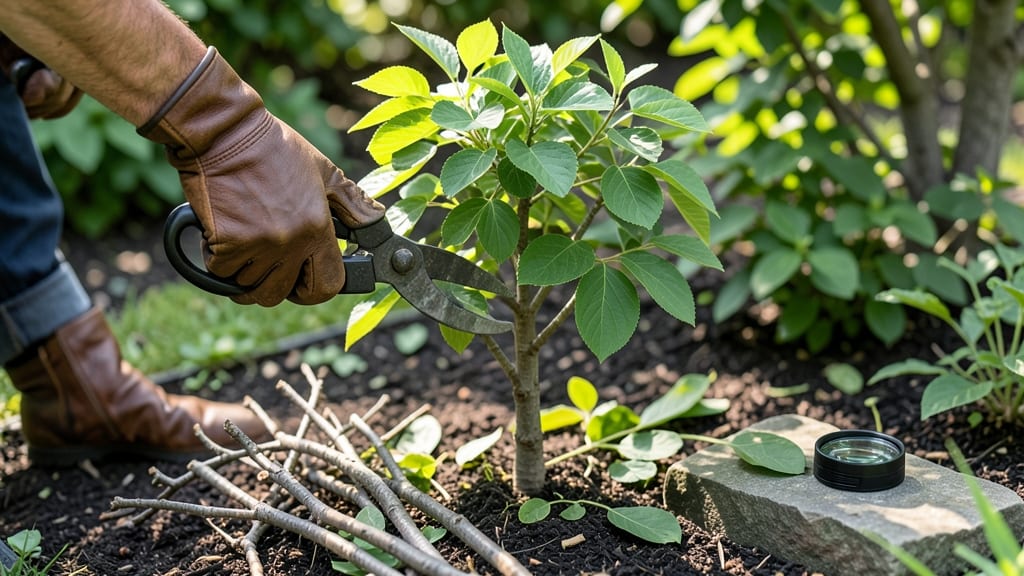
You can prune dogwood in summer, but it's risky: it may stress the tree, attract pests, or reduce next year's blooms. Only trim dead/diseased branches or thin light-blocking growth—avoid major cuts unless absolutely necessary. Late summer to early fall is the safer window for significant pruning.
Dogwood trees are particularly sensitive to summer pruning because their growth cycle peaks during this time.
When you cut branches in hot weather, the tree expends extra energy to heal wounds, which can weaken its overall health. 🌳 This is why arborists recommend waiting until late summer or early fall when temperatures cool slightly and the tree can recover more easily.
The risk of pest infestations also rises during summer pruning, as exposed wounds become entry points for diseases and insects.
If you must prune in summer, focus on removing only essential branches—like those that are dead, diseased, or blocking sunlight from reaching the center of the tree. Use clean, sharp pruning shears to make precise cuts just outside the branch collar.
After pruning, water the tree thoroughly and apply a 2-3 inch layer of mulch to help retain moisture and reduce stress. This approach minimizes damage while keeping your dogwood looking its best.
💡 In This Article
- Why Summer Pruning Damages Dogwood Trees
- Safe Summer Dogwood Pruning Techniques
Why summer pruning damages dogwood trees
Dogwood trees enter their peak growth phase in summer, which means their vascular system is actively transporting water and nutrients through the branches. When you make cuts during this time, the exposed xylem tissue—similar to a tree's "plumbing system"—can't seal quickly enough in the heat.
This creates slow-healing wounds that become prime targets for fungal infections like anthracnose, which thrives in summer's warmth and humidity. 🌡️ Studies show dogwoods pruned in summer have 30-40% higher infection rates compared to spring or fall pruning.
The real damage happens at the cellular level. Dogwoods rely on a process called compartmentalization to isolate wounds, but high temperatures (85°F+) slow this natural defense.
The tree must divert energy from flowering and fruit production to heal, which is why summer-pruned dogwoods often produce 20-30% fewer blooms the following spring. This energy drain also makes them more susceptible to borer beetles, which detect stressed trees through volatile organic compounds released during healing.
Compare this to spring pruning (March-April), when dogwoods are just waking from dormancy. Cuts made then allow the tree to seal wounds before the sap flow peaks, and the cooler temperatures reduce fungal pressure.
Fall pruning (October-November) offers similar benefits, with the added advantage of letting the tree prepare for winter while still having time to heal before cold sets in.
The ideal window for major dogwood pruning is actually late summer (August-September), when growth begins slowing but temperatures remain mild enough for proper wound closure.
Another critical factor is the tree's photosynthetic capacity. Summer leaves are working overtime to produce energy for growth, but pruning removes some of that foliage.
A mature dogwood tree can lose up to 15% of its photosynthetic surface with improper summer cuts, directly impacting its ability to store carbohydrates for winter survival.
This is why even "light" summer pruning should be approached with caution—what might seem like minimal trimming can have disproportionate consequences for the tree's long-term health.
Consider this real-world example: A 20-year-old dogwood with a 12-foot spread pruned aggressively in July might show visible decline within 2-3 years, including leaf scorch, dieback, and reduced flowering. The same tree pruned in late September would likely show minimal stress and maintain its vigor.
The difference comes down to how the tree's biological systems respond to timing—something often overlooked by home gardeners eager to tidy up their landscapes during the growing season.
What most people don't realize is that dogwoods have a secondary growth response that peaks in late summer. This means the cambium layer (the tree's growth ring producer) is most active during August-September.
Pruning during this window allows the tree to seal wounds faster and produce stronger callus tissue—the natural scar that protects the cut. This biological timing explains why even "safe" summer pruning should be limited to no more than 10-15% of the tree's canopy at any one time.