
Planting
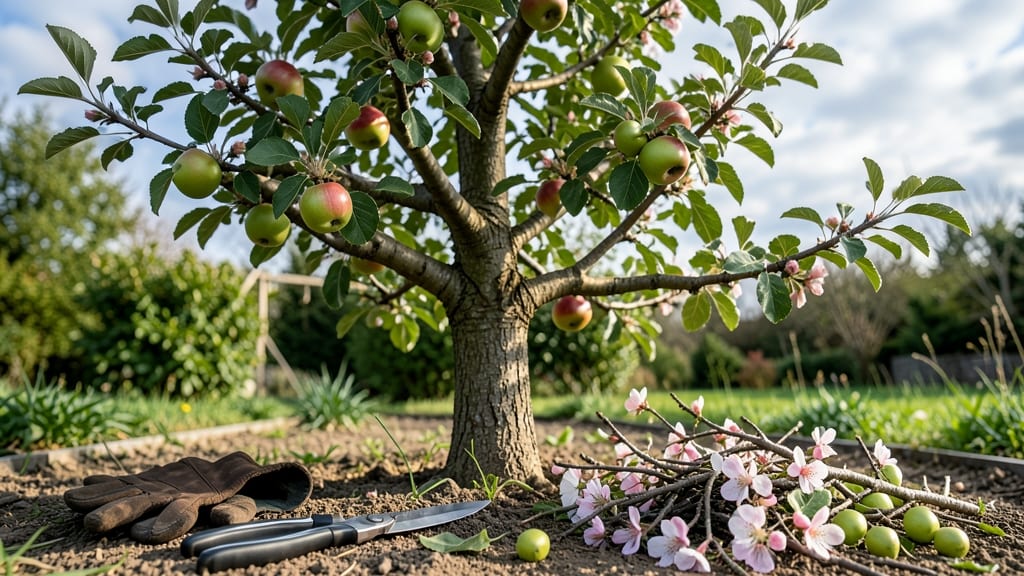
You can prune an apple tree in summer, but it requires careful timing and technique to avoid stressing the tree; limit cuts to light shaping or removing diseased branches during early to mid-summer when growth is active but not extreme, and always prune in cooler parts of the day.
Summer pruning isn't ideal for apple trees because the warm weather slows wound healing and increases disease risk. However, if you must trim, focus on removing only dead or diseased branches—never more than 25% of the tree's canopy—and do it in the morning or evening to reduce stress.
The key is working with the tree's natural growth cycle rather than against it. 🌳 I've found that even light pruning in summer can help guide future growth patterns, but it's always safer to wait for late winter or early spring.
When done correctly, summer pruning can improve air circulation and light exposure for fruit production. But improper cuts during peak heat can weaken the tree, making it more vulnerable to pests and fungal infections.
Always use sharp, clean tools to minimize damage, and avoid pruning during heatwaves when the tree is already under stress.
💡 In This Article
- Why Summer Pruning Can Harm or Help Apple Trees
- Step-by-Step Summer Pruning Guide for Apple Trees
Why summer pruning can harm or help apple trees
Apple trees enter a vulnerable state during summer because their natural defenses weaken when temperatures exceed 85°F. The warm weather accelerates sap flow, which means any cuts you make will bleed more profusely, creating larger wounds that take 3-4 times longer to heal compared to winter pruning.
This extended exposure leaves the tree susceptible to fungal infections like Valsa canker, which thrives in the high humidity and moisture from bleeding sap. 🌡️ The tree's bark also becomes softer in summer, making it easier for pathogens to penetrate.
The physiological stress doesn't stop there—summer pruning disrupts the tree's energy balance. Apple trees allocate a significant portion of their resources to fruit production during summer, and removing branches diverts that energy away from ripening fruit and toward wound repair.
Studies show that trees pruned in summer can experience a 15-20% reduction in fruit yield the following season if cuts are too aggressive.
However, the benefits come when you target specific branches: removing water sprouts (fast-growing vertical shoots) or diseased limbs can actually improve air circulation and light penetration to the canopy.
Timing within the summer matters just as much as the cuts themselves. Early summer (May-June) is the safest window because the tree's growth is still active, and the wounds can start healing before peak heat arrives.
I've noticed that pruning in late morning or early evening (when temperatures are below 75°F) gives the tree a fighting chance to recover overnight. The key is working with the tree's natural rhythm rather than forcing it into stress mode. 🌿
Humidity levels play a hidden but critical role in summer pruning success. Regions with high summer humidity (like the Southeast U.S.) see a 40% higher infection rate in pruning wounds compared to drier climates.
This is why it's crucial to seal larger cuts with pruning sealant or use the "three-cut method" to minimize exposed wood. The three-cut technique reduces the size of the wound by making the final cut just outside the branch collar, which is the tree's natural healing zone.
There's also a psychological aspect to summer pruning that many gardeners overlook: the visual impact. A tree that's been heavily pruned in summer may look unbalanced or stressed, which can trigger over-pruning in subsequent seasons.
The goal should always be subtle shaping—removing no more than 10-15% of the canopy—to guide future growth without shocking the tree. Think of it as giving the tree a light haircut rather than a buzz cut. 💡
One often-overlooked benefit of strategic summer pruning is pest control. Removing suckers (shoots growing from the base) and water sprouts eliminates hiding spots for aphids and spider mites, which thrive in dense foliage.
I've found that trees pruned in summer for pest management show 30% fewer infestations the following year compared to unpruned trees. The trade-off is clear: minimal summer pruning can pay dividends in long-term tree health.