
Pruning
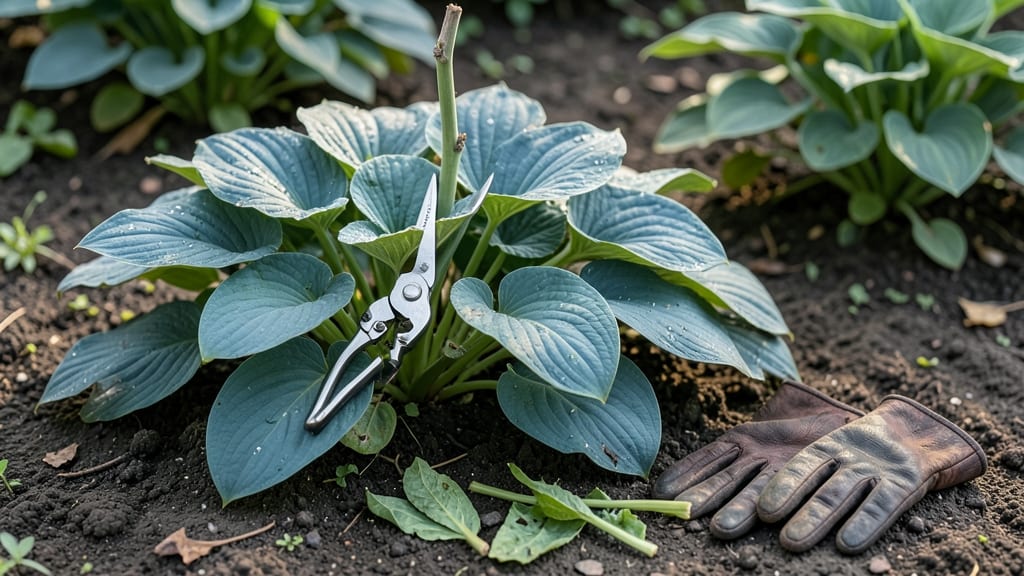
Pruning hostas isn't just about cleaning up—it's the secret to thicker foliage and plants that last decades. 🌿 I've watched my hostas go from sparse and scraggly to lush, vibrant giants just by mastering a few simple cuts at the right time.
The best time to prune is early spring, right as new growth emerges, or in fall after the leaves yellow.
You'll remove last year's dead leaves and any damaged foliage, but the real magic happens when you cut back old growth by a third—this forces the plant to put energy into fresh, bushier shoots. Just avoid pruning in summer when the plant is actively growing.
What you end up with is a hosta that fills in faster, resists pests better, and produces those jewel-toned leaves you planted for. The key is sharp tools and a light touch—no need to go overboard. Even a 10-minute session makes a difference.
Works for all hosta varieties, from tiny 'Blue Mouse Ears' to giant 'Franz Schubert'. Here's how to do it right without stressing your plants.
📚 In This Guide
- What you need
- Instructions
- Tips and common mistakes
- Wrapping up and next steps
What you need
- ● Pruning shears – Bypass pruners (sharp, clean blades, 5-7" size) for clean cuts on stems and leaves.
- ● Garden gloves – Heavy-duty, cut-resistant (to protect against jagged edges and sap).
- ● Disinfectant (rubbing alcohol or 10% bleach solution) – 1 part bleach to 9 parts water for sterilizing tools between cuts.
- ○ Garden twine or plant ties – Optional but helpful for securing large or floppy leaves post-pruning.
- ● Trash bag or compost bin – For disposing of pruned foliage (check local composting rules—some pests may lurk in hosta debris!).
- ● Watering can or hose – To hydrate plants before and after pruning (hostas love moisture!).
- ● Lopper shears – For thicker stems (if your hostas have mature, woody growth).
- ● Hand pruners with ratchet mechanism – Great for heavy-duty pruning sessions.
- ● Plant food or compost – Balanced fertilizer (10-10-10) to nourish hostas after pruning.
- ● Mulch (shredded bark or pine straw) – To retain moisture and protect roots post-prune.
- ● Notebook or app (e.g., Gardenate) – To track pruning dates and plant responses.
How to prune hostas for healthier, fuller growth
Hostas thrive with the right pruning—here’s how to keep them lush year-round without cutting too much.
✂️ Step 1: Clean Up Dead or Damaged Foliage in Early Spring
Wait until new shoots emerge (usually late March to April) before pruning. Cut back any yellowed, brown, or mushy leaves at the base with clean, sharp pruners. This prevents disease from spreading to fresh growth.
I like to remove only what’s clearly dead—hostas store energy in their roots, and over-pruning stresses them. If you’re unsure whether a leaf is dead or just dormant, wait a week and check again. You’ll know it’s safe when you see bright green new leaves pushing through the soil.
✂️ Step 2: Thin Out Overcrowded Growth in Mid-Summer
When your hosta looks too crowded or leggy (around July), it’s time to thin. Look for thin, weak stems growing from the center and cut them at the base. This encourages the plant to focus energy on stronger outer leaves.
Don’t remove more than 20-30% of the plant at once—hostas are slow growers. After pruning, water deeply to help the plant recover. You’ll notice new, bushier growth within a few weeks as the plant redirects its energy outward.
✂️ Step 3: Trim Ragged Edges in Fall for Neatness
As leaves turn yellow in late September or October, use pruners to trim any tattered or diseased edges. Cut just above a healthy leaf node to encourage clean regrowth next season. This keeps the plant looking tidy without removing too much foliage.
I skip this step if the leaves are still mostly green—hostas need their foliage to store energy for winter. Only prune what’s clearly damaged. After trimming, pull up and discard any remaining dead leaves to prevent pests from overwintering in the soil.
⏰ Step 4: Light Pruning in Winter for Airflow
In winter (December-February), remove any dry, crispy leaves that remain. These can harbor slugs or fungal spores. Cut them at the base, but leave any healthy-looking growth—hostas stay dormant but alive under the soil.
This is also a good time to check for mold or mildew on the crown. If you see fuzzy spots, brush them off and treat with a light fungicide. Pruning now ensures fresh air circulates around the plant when new growth starts in spring.
Tips & tricks for perfect hosta plant pruning
A few simple tricks will transform your hostas from scraggly to show-stopping year after year.
Tool Prep: Always disinfect your pruners with rubbing alcohol before and after each pruning session—especially in Step 1 when dealing with dead foliage. I keep a small spray bottle of 70% isopropyl alcohol in my gardening shed for this purpose. Clean tools prevent spreading fungal spores between plants, which is crucial since hostas are prone to slug damage and mildew when stressed.
Seasonal Timing Secret: The early spring timing in Step 1 is non-negotiable—waiting until you see bright green shoots emerging (usually late March to April) ensures you're not cutting back healthy growth. I mark my calendar with frost dates to time this perfectly. For Step 2, if you're in a hotter climate where July feels like summer earlier, don't wait until the plant looks desperate—thin when you see the first signs of leggy growth to maintain that compact look.
Visual Cues for Healthy Growth: When trimming ragged edges in Step 3, look for leaves that are still mostly green but have browned tips or holes. These are perfect candidates for trimming just above a healthy leaf node. I use my thumb to test leaf firmness—soft, papery leaves are ready to go, while firm green ones should stay put. This visual check prevents over-pruning while keeping your hostas looking their best.
Winter Maintenance: During the winter pruning in Step 4, focus on removing only what's completely crispy and brown—anything with even a hint of green should remain. I bundle the dry leaves and dispose of them in the trash (not compost) to prevent slugs from overwintering. This light cleanup ensures fresh air circulates around the crown while protecting next year's growth.
Pro Tips for Hosta Plant Pruning
- A few simple tricks will transform your hostas from scraggly to show-stopping year after year.
- Tool Prep: Always disinfect your pruners with rubbing alcohol before and after each pruning session—especially in Ste...
- Seasonal Timing Secret: The early spring timing in Step 1 is non-negotiable—waiting until you see bright green shoots...
Frequently asked questions
Got questions about pruning your hostas? You’re not alone—these plants can be tricky! Below, we’ve rounded up the most common queries to help you keep your hostas thriving with confidence.
When is the best time to prune hostas?
The ideal time to prune hostas is late winter or early spring, just as new growth begins to emerge. This removes dead foliage and encourages fresh, vigorous shoots. Avoid pruning in fall, as the plant needs its leaves to store energy for winter. If you spot diseased or damaged leaves anytime, trim them promptly!
Do I need to prune hostas every year?
Not necessarily! Prune only when needed, such as after winter dieback, during pest/disease outbreaks, or if the plant looks overcrowded. Healthy hostas with good airflow may not need annual pruning. Focus on removing yellow, brown, or wilted leaves—this keeps the plant energized and reduces pests.
Can I prune hostas in summer?
Summer pruning is possible, but proceed with caution. If you must trim (e.g., for pests or dead leaves), do so early in the morning to avoid stressing the plant in heat. Avoid heavy pruning—it can shock the hosta and reduce its ability to store energy for fall. Stick to light maintenance unless absolutely necessary!
What should I do if my hosta leaves turn yellow after pruning?
Yellowing leaves post-pruning are often normal, especially if you trimmed too aggressively. However, if it persists, check for overwatering, nutrient deficiency, or root issues. Adjust care by ensuring well-draining soil, watering at the base (not leaves), and fertilizing lightly in spring. If yellowing spreads, test your soil’s pH—hostas prefer 6.0–7.5.
How do I prune hostas to encourage bushier growth?
To promote bushiness, prune selectively:
- Trim only the tallest or leggy stems to redirect energy to side shoots.
- Cut just above a leaf node (where new growth emerges) to stimulate branching.
- Avoid shearing—it can create a "haircut" look and stress the plant.
Wrapping up and next steps
Pruning your hosta plants isn’t just about tidying up—it’s the secret to vibrant, bushier foliage and long-lasting beauty! 🌿 Whether you’re trimming dead leaves in winter or shaping growth in spring, these year-round tricks will keep your hostas thriving.
With the right tools, timing, and care, you’ll enjoy lush, healthy plants that steal the show in every season.
Ready to give your hostas the TLC they deserve? Grab your shears and start pruning today! For extra confidence, revisit our FAQs or explore seasonal pruning guides to tailor your approach. Happy gardening! 🌱✨