
Pruning
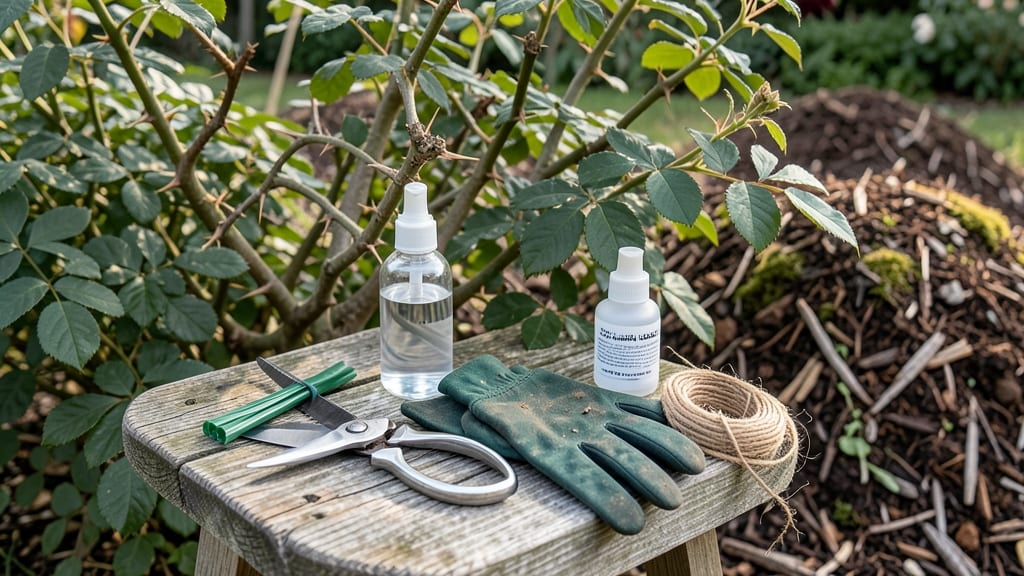
How to prune overgrown roses isn’t rocket science—just a matter of the right cuts at the right time. ✂️ I’ve turned tangled, leggy bushes into lush, flowering showstoppers using these simple but precise techniques that actually work (no guesswork involved). The key? Timing, the right tools, and knowing where to stop before you strip the plant bare.
Start with clean, sharp pruners and a pair of gloves—you’ll need them for thorns and sap. The best time is late winter or early spring while the plant is still dormant, but you can also prune lightly after blooms fade.
Aim to remove about one-third of the oldest wood to encourage new growth while keeping the plant’s natural shape. Every cut should be at a 45-degree angle, just above an outward-facing bud.
What you’ll end up with is a rose bush that breathes easier—better airflow means fewer diseases—and produces more blooms than you’ve seen in years. The first flush of flowers might be smaller, but subsequent blooms will be bigger and more abundant.
And yes, those bare stems will fill out with fresh green growth by summer if you prune correctly.
Fair warning: this isn’t a one-time fix. You’ll need to prune again after each bloom cycle to keep the plant productive. But once you see those first fat buds swelling in spring, you’ll never go back to the old "just hacking at it" method.
Let’s get those shears sharp and make it happen!
📚 In This Guide
- What you need
- Instructions
- Tips and common mistakes
- Wrapping up and next steps
What you need
- ● Pruning shears: Bypass pruners (for clean cuts on stems up to ½ inch thick) – 1 pair (look for ergonomic, stainless-steel blades).
- ● Loppers: Bypass or anvil type (for thicker stems, ¾–1.5 inches) – 1 pair (with long handles for leverage).
- ● Pruning saw: Curved or bow saw (for stubborn, woody stems over 1.5 inches) – 1 (with a fine-tooth blade).
- ● Gloves: Heavy-duty, cut-resistant (to protect hands from thorns and debris) – 1 pair (gardening or rose-specific).
- ● Disinfectant: Rubbing alcohol (70%+) or bleach solution (1 part bleach to 9 parts water) – small bottle or spray (to sterilize tools between cuts).
- ● Sharpie or marker: Permanent marker – 1 (for labeling pruned branches if needed).
- ● Rake or broom: Stiff-bristled – 1 (to clear debris after pruning).
- ● Hose or bucket: – 1 (for rinsing tools and cleaning up sap).
- ○ Pruning sealant: Optional (for large cuts to prevent disease) – small tube.
- ● Safety glasses: – 1 pair (to shield eyes from flying debris).
- ● Knee pads or stool: – 1 set (for comfort during longer sessions).
Instructions for pruning overgrown roses: a step-by-step guide
Here's how I transform tangled, overgrown roses into healthy, blooming bushes—no guesswork involved.
✂️ Step 1: Gather Tools and Assess the Bush
Start with clean, sharp pruning shears—dull blades crush stems and invite disease. A bypass pruner is ideal for clean cuts. For thicker stems over ½ inch, use loppers or a pruning saw. Disinfect tools with rubbing alcohol to prevent spreading bacteria between cuts.
Examine the rose bush from all sides. Look for dead, diseased, or crossing branches—these are your first targets. Identify the central leader (main upright stem) and outward-facing canes—these will form your new structure. I sketch a quick mental map of what to keep and remove to avoid over-thinning.
✂️ Step 2: Remove Dead, Diseased, and Problem Branches
Start by cutting out any blackened, shriveled, or hollow stems—these won’t recover. Make your cuts at a 45-degree angle, ¼ inch above a healthy bud that faces outward. This angle helps water run off, preventing rot. If a branch has powdery mildew or spots, cut it back to healthy green wood below the infection.
Next, tackle crossing branches—where stems rub against each other. Remove the weaker of the two, cutting at the base of the bud. Real talk: You’ll likely remove 20-30% of the bush in this step. Don’t panic—this opens up airflow and sunlight, which your roses will thank you for later.
✂️ Step 3: Thin Out Crowded Canes for Better Airflow
Focus on thinning from the center outward. Aim to leave 3-5 strong, outward-growing canes per foot of height. Cut back older canes to half their length—they’ve already bloomed and are less productive. For younger canes, trim to 12-18 inches from the base to encourage new growth.
Watch for suckers—shoots growing from the base or roots. These sap energy from your main plant. Snip them off at the base with shears. You’ll know you’re on the right track when you can see light filtering through the center of the bush.
☀️ Step 4: Shape the Bush for Optimal Blooms
Step back and visualize your rose’s natural shape. Hybrid teas should have a tall, vase-like form, while shrub roses benefit from a rounded, bushy silhouette. Cut back remaining canes to just above a strong outward-facing bud. Angle cuts slightly downward to guide new growth outward.
For repeat-blooming roses, leave 3-5 buds on each remaining stem—they’ll produce flowers along their length. If your rose is once-blooming, prune harder to encourage next year’s flush. After shaping, step back again—your bush should look balanced and open, not top-heavy.
⏰ Step 5: Clean Up and Monitor Recovery
Rake up all clippings and dispose of them in the trash (don’t compost diseased material). This prevents pests and diseases from overwintering. Water the base of the plant deeply to help it recover from the shock of pruning. A slow-release rose fertilizer applied now gives roots a nutrient boost for new growth.
In 2-4 weeks, you’ll see pinkish new shoots emerging from the buds you left. This is your reward—proof the plant is responding. Avoid heavy pruning again for 6-8 weeks to let the bush establish. Mulch around the base with 2-3 inches of organic mulch to retain moisture and regulate soil temperature.
Tips & tricks for perfect rose pruning
Reviving an overgrown rose bush doesn't have to be intimidating—these pro strategies will help you cut with confidence and set your roses up for a spectacular comeback.
Tool Prep is Everything: Before you make a single cut, take 5 minutes to sharpen your pruning shears. A dull blade tears stems instead of making clean cuts, which invites disease. I test my shears by making a clean cut through a piece of paper—if it tears, it's time to sharpen. Also, disinfect between cuts with rubbing alcohol, especially when dealing with diseased branches. This simple step prevents spreading infections throughout your bush.
The 45-Degree Angle Secret: When you make cuts at a 45-degree angle just above a healthy outward-facing bud (as in Step 2), you're not just following instructions—you're creating a water-shedding surface that prevents rot. Here's the visual cue: Imagine slicing off the top of a cone at a diagonal. The angle should be steep enough that water runs off, but not so steep that it weakens the cut. For thicker stems, use loppers to maintain this angle precision.
Bud Counting Matters: In Step 4, when shaping your bush, focus on leaving 3-5 buds per remaining stem for repeat-bloomers. I count buds by running my thumb along the stem—each bump is a potential flower. For once-blooming roses, cut back harder to encourage next year's flush. Pro tip: The lowest bud you leave should be no lower than 12 inches from the ground to prevent soil-borne diseases from reaching vulnerable new growth.
Recovery Timeline: After pruning, give your roses the 2-4 weeks they need to show new shoots. I mark my calendar with the pruning date and set reminders for the 6-8 week no-prune period. During this time, focus on deep watering (1-2 inches per week) and mulching with 2-3 inches of organic material. This creates the ideal conditions for roots to recover and new growth to establish without competition.
Pro Tips for Prune Overgrown Roses
- Reviving an overgrown rose bush doesn't have to be intimidating—these pro strategies will help you cut with confidenc...
- Tool Prep is Everything: Before you make a single cut, take 5 minutes to sharpen your pruning shears. A dull blade te...
- The 45-Degree Angle Secret: When you make cuts at a 45-degree angle just above a healthy outward-facing bud (as in St...
Frequently asked questions
Got questions about pruning overgrown roses? You’re not alone! Here are some of the most common concerns—and their straightforward solutions—to help you prune like a pro.
When is the best time to prune overgrown roses?
The ideal time depends on your rose type. For most roses, late winter or early spring (just before new growth starts) is best. Climbing roses and hybrid teas should be pruned after they bloom. Avoid pruning in fall—it can stimulate tender growth that won’t survive winter. Pro tip: Wait until temperatures are consistently above freezing to prevent shock!
Can I prune roses in summer without hurting them?
Yes, but with caution! Light pruning (removing dead or diseased branches) is safe in summer. Avoid heavy pruning—it can stress the plant and reduce blooms. If you must prune heavily, do it right after a flush of flowers to encourage another round of blooms. Deadheading (removing spent blooms) in summer keeps roses looking tidy and promotes more flowers!
What if I cut too much off by mistake?
Don’t panic! Roses are resilient. If you’ve over-pruned, focus on healthy canes (thick, green stems) and leave at least 3-5 buds per stem. Avoid cutting into old, bare wood—this won’t regrow. Water deeply after pruning and fertilize lightly to help recovery. Over time, your rose will bounce back with proper care!
Do I need special tools, or will regular pruners work?
Basic pruners or loppers are fine for most jobs, but invest in bypass pruners (clean cuts) and sterilized tools to prevent disease spread. For thick branches, a pruning saw comes in handy. Always clean blades with rubbing alcohol between cuts to avoid bacterial contamination!
What should I do with all the pruned branches?
Don’t toss them! Use pruned branches for compost, mulch, or even firewood (if disease-free). You can also propagate new roses by dipping cuttings in rooting hormone and planting them in soil. Just avoid composting diseased branches—burn or dispose of them separately!
Wrapping up and next steps
Pruning overgrown roses might seem daunting, but with the right tools, technique, and timing, you can transform your tangled thickets into lush, vibrant bushes bursting with blooms.
Remember: patience and precision are key—cut confidently, follow the "five Ds," and your roses will thank you with healthier growth and stunning flowers. 🌹
Now that you’re armed with knowledge, grab those shears and give your roses the fresh start they deserve. Next, monitor their progress and adjust as needed—your green thumb is growing stronger every day!