
Pruning
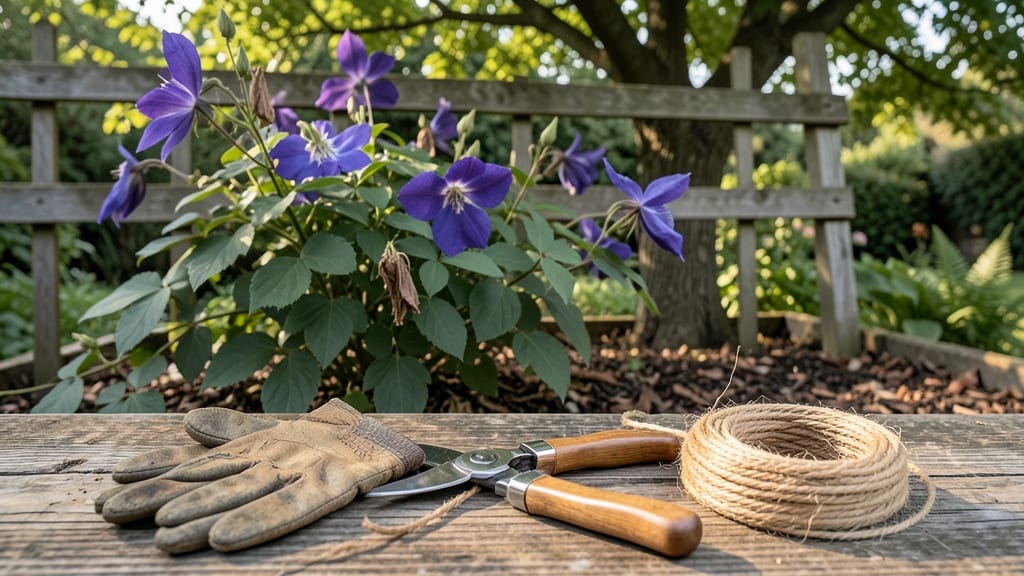
Pruning Clematis Jackmanii isn’t just about cutting back—it’s about unlocking a second wave of blooms that’ll make your garden the envy of the neighborhood. ✂️ I’ve pruned these vigorous climbers for years, and the difference between a well-pruned plant and one left to its own devices is night and day: thicker stems, more flowers, and fewer floppy, bare legs.
The key is timing and technique. You’ll want to prune in late winter or early spring (before new growth starts) when the plant is dormant.
Grab your secateurs, pruning shears, and gloves, then cut back last year’s stems to 12-18 inches above the ground—this might sound drastic, but trust me, it works. The goal is to encourage new, strong growth from the base, which will produce those luxuriant purple blooms all season long.
After pruning, give your Jackmanii a balanced fertilizer (high in phosphorus for blooms) and keep the soil consistently moist but not soggy. Within weeks, you’ll see fresh green shoots pushing through, and by summer, your clematis will be covered in flowers from top to bottom. The secret?
Pruning isn’t just maintenance—it’s a reset button for your plant’s best performance. Avoid the rookie mistake of cutting too late in spring or leaving stubs too long—both can stunt growth. And if your plant looks sad after pruning, don’t panic: new growth is just getting started.
With this method, you’ll have a bushier, healthier, and more productive clematis that’ll reward you with blooms from early summer well into fall.
📚 In This Guide
- What you need
- Instructions
- Tips and common mistakes
- Wrapping up and next steps
What you need
- ● Bypass pruners – Sharp, clean pruners (like Felco or Fiskars) for precise cuts. Size: 6-8 inch blades.
- ● Loppers – For thicker stems (½ inch or larger). Size: 18-24 inch handles for leverage.
- ● Garden gloves – Heavy-duty, cut-resistant gloves (e.g., Workrite) to protect hands from thorns and sap.
- ● Disinfectant (70% isopropyl alcohol or bleach solution) – 1 part bleach to 9 parts water to sterilize tools between cuts.
- ● Rubbing alcohol or hand sanitizer – For cleaning hands after pruning.
- ○ Pruning sealant (optional but helpful) – A product like Tanglefoot Tree Wound Pruning Sealer to prevent disease on larger cuts.
- ● Stakes or support ties – If your clematis needs post-pruning support (e.g., Jute twine or Soft plant ties).
- ● Garden twine or zip ties – For securing stems to trellises after trimming.
- ● Wheelbarrow or bucket – To collect pruned branches and debris.
- ● Ladder or step stool – If your clematis is tall (6+ feet), use a stable, non-slip ladder.
- ● Hand pruners (smaller) – For delicate trimming in tight spaces.
- ● Long-handled pruners – For reaching high branches without a ladder.
- ● Garden shears – For shaping foliage post-pruning.
- ● Compost bin – To recycle pruned branches as mulch.
- ● Notebook or app – To track pruning dates and vine growth patterns (e.g., Gardenate or a simple journal).
Step-by-step instructions for pruning clematis Jackmanii
Here's how I keep my Jackmanii clematis thriving with simple, seasonal pruning that boosts blooms every year.
✂️ Step 1: Identify and Remove Dead or Weak Growth
Start in late winter or early spring before new growth begins. Look for stems that are completely brown, brittle, or show no signs of life. These dead stems won't produce blooms and can harbor pests or disease. Use sharp pruning shears to cut them back to the base of the plant. I always make clean cuts at a 45-degree angle about ¼ inch above a healthy bud or joint—this prevents water from pooling and rotting the stem.
If you're unsure whether a stem is dead, gently scratch the bark with your fingernail. Green underneath means it's alive; brown means it's dead. Don't worry about cutting back too much—Jackmanii clematis is vigorous and will bounce back with fresh growth. This step ensures your plant puts energy into new, healthy stems that will support next season's blooms.
🌿 Step 2: Prune for Shape and Airflow
Once you've removed the dead growth, step back and assess the overall shape of your clematis. Jackmanii blooms on last year's growth, so you want to maintain a strong framework of mature stems while encouraging new growth. Cut back any crossing or rubbing branches to improve airflow—this reduces the risk of fungal diseases like powdery mildew. I like to shape the plant into a loose, rounded form, which allows sunlight to reach the center where new shoots will emerge.
Look for stems that are growing inward or creating a dense tangle. These should be pruned back to a strong outward-facing bud. Avoid cutting into old wood—you can tell by the thicker, woody texture. If you accidentally cut into last year's flowering stems, don't panic; Jackmanii is forgiving. Just focus on maintaining an open structure so your plant stays healthy and vigorous.
⏰ Step 3: Light Prune After First Bloom
After your clematis finishes its first flush of blooms in early summer, give it a light trim to encourage a second round of flowers. This is where you'll see the magic happen—cutting back just a few inches above a strong bud on select stems stimulates new growth. I usually remove about ⅓ of the oldest stems to make room for younger, more productive shoots. This step is all about balance: you want to keep enough foliage for photosynthesis but not so much that the plant becomes overcrowded.
Watch for new shoots emerging from the base of the plant. These are your future flowering stems, so leave them be unless they're growing in the wrong direction. If you notice any leggy growth reaching for the light, pinch back the tips to encourage bushier growth. This light pruning keeps your Jackmanii clematis productive and full of blooms well into fall.
✂️ Step 4: Clean Up and Prepare for Winter
In late fall, after the first frost, give your clematis one final check. Remove any dead or diseased stems that might have appeared over the season. This is also the time to tidy up any stray leaves or debris around the base of the plant—clematis roots need to breathe, and a clean base reduces overwintering pests. I like to apply a 2-3 inch layer of mulch around the plant to protect the roots from freezing temperatures.
While you're at it, take a moment to inspect your pruning tools. Clean them with rubbing alcohol to remove any sap or debris, then sharpen the blades. Proper tool maintenance ensures clean cuts next season. This final step sets your clematis up for a strong start in spring, ready to put on another spectacular show of blooms.
Tips & tricks for perfect clematis Jackmanii pruning
Real talk: Pruning clematis can feel intimidating, but these tricks will turn you into a confident gardener who gets lush blooms every season.
Tool Prep is Everything: Before you even touch your plant, sharpen your pruning shears with a fine file or hone them on a sharpening stone. Dull blades crush stems instead of making clean cuts, which stresses the plant and invites disease. I also keep rubbing alcohol handy to wipe down tools between cuts—this prevents spreading any fungal spores that might be hiding on the blades. Trust me, a little prep time now saves hours of cleanup later.
The 45-Degree Angle Secret: When you make those clean cuts in Step 1, that 45-degree angle isn't just for show—it's about water management. The slanted cut prevents rainwater from pooling in the cut stem, which would rot the plant. I like to visualize making a little roof over the cut to keep moisture out. For stubborn stems, I'll make a small nick first to guide the clean cut, especially when working with thick growth.
Bud Identification Shortcut: Not sure which buds will produce flowers? Look for the ones that face outward—they're the ones to cut just above. These buds get the best sunlight exposure, which is exactly what you want for vigorous blooms. I've found that using a small magnifying glass helps when buds are tiny, especially on young plants. This simple trick ensures you're always encouraging growth in the right direction.
Seasonal Timing Reminder: The instructions mention late winter/early spring, but here's the thing: if your area has an unusually warm winter, hold off until you see new shoots emerging. You can also do a quick "health check" prune in late fall after the first frost—just remove any obviously dead growth. This gives your plant a head start on spring growth. The key is always to prune when the plant is dormant or just waking up, never during active growth.
Pro Tips for Clematis Jackmanii Pruning
- Real talk: Pruning clematis can feel intimidating, but these tricks will turn you into a confident gardener who gets lush blooms every season.
- Tool Prep is Everything: Before you even touch your plant, sharpen your pruning shears with a fine file or hone them on a sharpening stone.
- The 45-Degree Angle Secret: When you make those clean cuts in Step 1, that 45-degree angle isn't just for show—it's about water management.
Frequently asked questions
When is the best time to prune Clematis Jackmanii?
Prune Clematis Jackmanii in late winter or early spring (just before new growth starts). This group 3 clematis blooms on old and new wood, so avoid heavy pruning in fall—it can remove next year’s flower buds. A light tidy-up after flowering (summer) is fine, but never prune in fall.
How much should I cut back Clematis Jackmanii?
Cut back 2–3 feet from the base to healthy buds or joints. Avoid over-pruning—leave at least 12–18 inches of growth to ensure vigorous regrowth. For established plants, aim for ⅓ of the plant’s height to encourage bushier blooms. Pro tip: Use sharp secateurs for clean cuts!
What if I prune at the wrong time?
If pruned too late (fall/winter), you might lose next year’s flowers. If pruned too early (mid-winter), new growth could freeze. Don’t panic! A light prune in spring will still work, but expect slower recovery. For severe mistakes, focus on watering and fertilizing to support regrowth.
Can I prune Clematis Jackmanii differently for more flowers?
Yes! For bigger blooms, prune less aggressively (leave more stems). For longer flowering seasons, do a light summer trim after the first flush of flowers. Avoid deadheading—it can reduce next year’s blooms. Instead, let spent flowers fade naturally.
What if my Clematis Jackmanii looks dead after pruning?
Don’t worry—it’s likely dormant! Healthy stems should be green or brown with buds. If you see black, mushy stems, it’s diseased (cut those out). Water deeply after pruning, and add compost or mulch to protect roots. New growth should appear in 4–6 weeks.
Still unsure? Snap a photo of your plant and compare it to pruning guides—most issues are just timing or technique!
Wrapping up and next steps
Mastering clematis Jackmanii pruning is your ticket to a stunning, blooming vine year after year! 🌸 With the right timing, tools, and techniques—like the three-cut method and seasonal checks—you’ll keep your plant thriving and full of life.
Don’t let pruning overwhelm you; embrace it as a chance to nurture your garden’s star.
Ready to take the next step? Grab your pruners, mark your calendar, and give your Jackmanii the care it deserves. Watch as it rewards you with lush, vibrant blooms that’ll be the envy of the neighborhood!