
Pruning
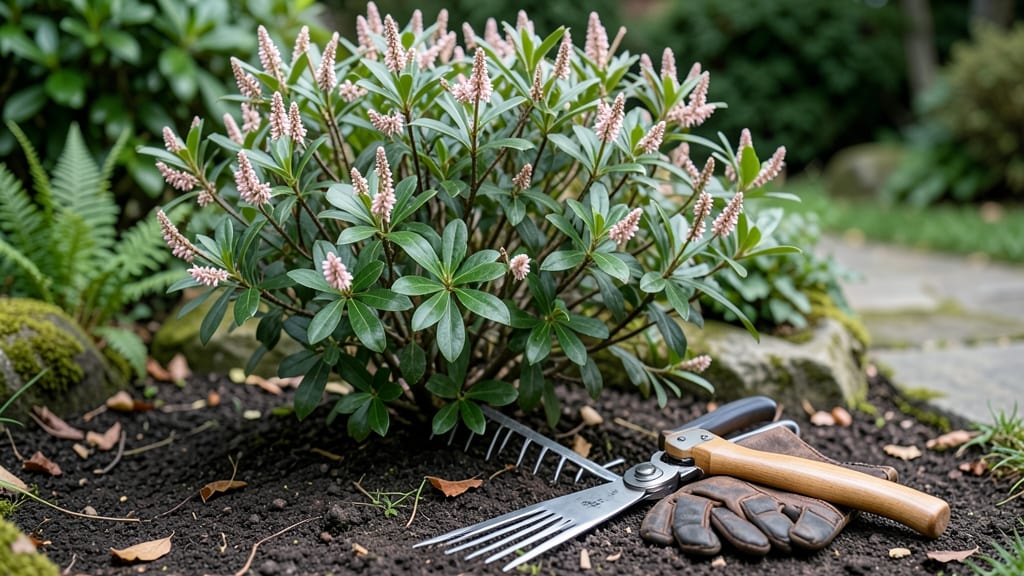
Pruning daphne plants at the right time turns your shrub from a struggling underperformer into a fragrant powerhouse with blooms so dense they look like snowfall. 🌸 I’ve learned the hard way—skipping this step means fewer flowers and leggy growth, but doing it right transforms your plant into a showstopper that perfumes your garden for weeks.
The best time to prune is right after flowering, typically in late spring or early summer, when the plant has finished blooming but before new growth gets too established.
Grab your clean, sharp pruners and focus on removing dead, crossing, or overcrowded branches—never more than one-third of the plant at once. Daphne plants reward patience, so take your time shaping rather than hacking.
What you’ll end up with is a neat, bushy plant that flowers more heavily each year. The secret is cutting just above a leaf node or bud, never leaving stubs, and always making clean cuts at a 45-degree angle.
This encourages new growth in the right direction and keeps the plant healthy for years.
Works for all daphne varieties—whether you’ve got fragrant daphne, winter daphne, or burgundy daphne—just adjust timing slightly based on when they bloom. Here’s how to do it without stressing the plant or missing the best pruning window.
📚 In This Guide
- What you need
- Instructions
- Tips and common mistakes
- Wrapping up and next steps
What you need
- ● Pruning shears: Bypass pruners (sharp, clean, and sterilized to prevent disease). Avoid anvil pruners—they can crush stems.
- ● Hand pruners: For smaller branches (look for ergonomic handles to reduce hand fatigue).
- ● Gloves: Garden gloves (nitrile-coated for grip and protection against thorns).
- ● Disinfectant: 70% isopropyl alcohol or a bleach solution (1 part bleach to 9 parts water) to sterilize tools before and after use.
- ○ Pruning saw: (Optional but helpful for thick, woody stems—choose a fine-toothed saw for clean cuts).
- ● Trash bag or bucket: For collecting pruned branches (line with a bag for easy disposal).
- ● Rubbing alcohol wipes: Quick tool sterilization between cuts.
- ● Horticultural sealant: (e.g., pruning paste) to coat large cuts and prevent disease entry.
- ● Ladder or stool: If your Daphne is tall or bushy (ensure it’s stable and non-slip!).
- ● Notebook & pen: To jot down notes on pruning patterns or growth habits.
- ○ Mulch: (Optional) Organic mulch (like shredded bark) to protect the base after pruning.
- ● Timing: Prune right after flowering (late spring to early summer) for most Daphne varieties. Never prune in fall or winter—it blooms on old wood!
- ● Weather: Choose a dry, overcast day to avoid stressing the plant.
- ● Plant health: Avoid pruning if your Daphne shows signs of disease or pest infestation—treat first!
- ● Safety: Wear closed-toe shoes and avoid pruning near power lines.
Step-by-step instructions for daphne plant pruning
Here's how I prune daphne bushes to keep them flowering like crazy year after year.
✂️ Step 1: Time Your Pruning After Bloom
Daphne bushes flower on last year's growth, so timing is everything. Wait until 4-6 weeks after flowering—when the blooms have faded completely and new leaves have formed. This ensures you don't accidentally cut off next year's flower buds. I always mark my calendar right after the last daphne bloom fades to remember when to prune.
If you prune too early, you risk removing next season's flower buds. If you wait too long, the plant may put too much energy into seed production instead of new growth. The key is that new leaf growth should be well-established before you touch the shears.
✂️ Step 2: Cut Back Dead or Weak Growth First
Start by removing any dead, diseased, or crossing branches that are rubbing against each other. Daphne branches can get woody and tangled over time, and these crossings create wounds where pests can enter. Use clean, sharp pruners to make 45-degree cuts just above a leaf node—this encourages new growth from the right spot.
I like to step back and look at the plant from all sides after each cut. Daphne has a natural, slightly weeping habit, so I avoid cutting too aggressively at the top. The goal is to open up the center for better air circulation while maintaining the plant's natural shape.
✂️ Step 3: Lightly Shape the Bush
For most daphne varieties, a light shaping cut is all you need. Focus on trimming back the longest branches by about one-third to encourage bushier growth. Make your cuts just above a set of healthy leaves or buds. Avoid cutting into old, bare wood—this won't produce new growth and can harm the plant.
Daphne responds well to gentle pruning. I never cut more than 20-30% of the plant's total growth in one season. The goal is to maintain a compact, rounded shape while keeping the center open. You'll know you've done it right when you see fresh, vibrant new growth emerging within a few weeks.
💧 Step 4: Post-Pruning Care for Recovery
After pruning, give your daphne a deep watering to help it recover. Daphne prefers well-draining soil, so avoid soggy conditions. A 2-inch layer of organic mulch around the base helps retain moisture and protect roots from temperature swings. I always water at the base rather than overhead to prevent fungal issues.
Fertilize lightly with a balanced, slow-release fertilizer (10-10-10) in early spring to support new growth. Daphne doesn't need heavy feeding, so avoid overdoing it. Watch for new shoots emerging from the base and side branches—this is your sign that the pruning worked. If you see no new growth after 6-8 weeks, you may have pruned too aggressively.
Tips & tricks for daphne plant pruning
Took me years of trial and error to figure out these pruning secrets—here's what nobody tells you about keeping your daphne thriving.
Timing is Everything: The 4-6 week window after flowering is non-negotiable for daphne. I've learned this the hard way after accidentally cutting flower buds in spring. Look for completely faded blooms and at least 2 inches of new leaf growth before pruning—this visual cue is your best indicator that the plant is ready. The new growth signals the plant has already set next year's flower buds.
Pruning Technique: When making those 45-degree cuts in Step 2, angle them slightly away from the branch you're removing. This creates a natural water runoff path that prevents rot. I also use a small notepad to sketch my daphne's shape before pruning—it helps me visualize the open center I'm aiming for while maintaining that natural weeping habit. Think of it like sculpting: you're removing to reveal, not just cutting randomly.
Recovery Strategy: That deep watering in Step 4 isn't just about hydration—it's about signaling to the plant that it's safe to focus on new growth. I've found that adding a handful of compost to the mulch layer creates a mini nutrient boost zone right where new shoots will emerge. The key is patience: resist the urge to fertilize immediately after pruning. Let the plant recover for at least 2 weeks before adding any extra nutrients.
Pro Tips for Daphne Plant Pruning
- Took me years of trial and error to figure out these pruning secrets—here's what nobody tells you about keeping your ...
- Timing is Everything: The 4-6 week window after flowering is non-negotiable for daphne. I've learned this the hard wa...
- Pruning Technique: When making those 45-degree cuts in Step 2, angle them slightly away from the branch you're removi...
Frequently asked questions
Got questions about pruning your Daphne plant? You’re not alone! Here are some of the most common concerns—plus clear, actionable answers to keep your plant thriving.
When is the best time to prune Daphne plants?
Prune your Daphne plant right after flowering (late spring to early summer) to avoid cutting off next year’s blooms. Avoid heavy pruning in fall or winter, as the plant needs energy to recover before spring growth. Light shaping can be done anytime, but major cuts should wait for the dormant season if needed.
How much can I trim back my Daphne without harming it?
For most Daphne varieties, you can safely remove up to one-third of the plant’s height or volume in a single session. Focus on dead, diseased, or overcrowded branches first. Avoid aggressive pruning—these plants respond better to gradual shaping. If you’re unsure, err on the side of caution and trim less.
What should I do if my Daphne stops blooming after pruning?
If your Daphne skips flowers, you likely pruned too late or too aggressively. Blooms form on old wood, so avoid heavy cuts in late summer or fall. Next year, prune immediately after flowering and feed with a balanced fertilizer to encourage new growth. Patience is key—some varieties take a year to rebound.
Can I propagate my Daphne from pruned cuttings?
Daphne cuttings root well in spring or early summer. Take 4–6 inch semi-hardwood cuttings, dip in rooting hormone, and plant in a mix of peat and perlite. Keep them humid and warm (70–75°F) until roots form (4–8 weeks). Avoid overwatering—they’re prone to rot! Pro tip: Use a clear plastic bag to create a mini greenhouse effect.
Why is my Daphne plant looking leggy after pruning?
Leggy growth often means your Daphne needs more light or nutrients. Move it to a bright, indirect spot (morning sun is ideal) and fertilize lightly with a balanced, acidic fertilizer (like 10-10-10) in spring. Avoid overwatering—soggy soil stresses the plant. If legginess persists, consider a light pruning to encourage bushier growth.
Wrapping up and next steps
Pruning your daphne plant doesn’t have to be intimidating—with the right timing and techniques, you’ll reward yourself (and your garden!) with vibrant blooms and lush foliage year after year. 🌿 Remember to prune right after flowering, use sharp tools, and avoid over-trimming to keep your plant thriving.
Now that you’re armed with these tips, it’s time to roll up your sleeves and give your daphne the care it deserves!
🌱 Next Steps:
- Mark your calendar for post-bloom pruning—set a reminder so you never miss the best time!
- Inspect your plant regularly for dead or overgrown branches and tackle them early.
- Celebrate your green thumb! Share your daphne’s progress with fellow plant lovers—every trim is a step toward a stunning garden. 🌸