
Pruning
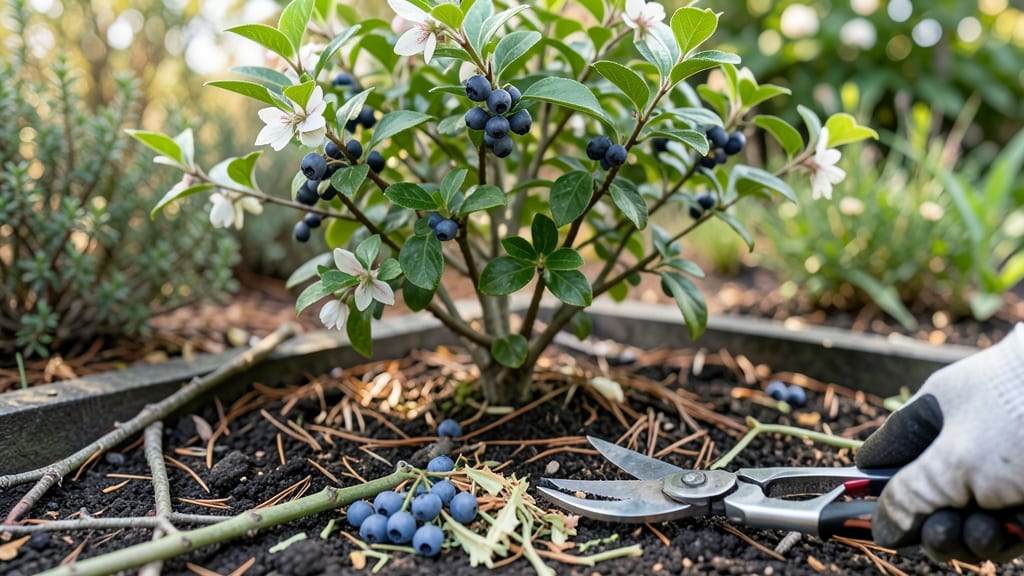
Yes, blueberry bushes need pruning to promote healthy growth and maximize fruit production, with the best time being late winter or early spring before new growth begins. Remove dead wood, thin crowded stems, and shape the bush for airflow and sunlight exposure.
Pruning isn't just about shaping your blueberry bushes—it's a critical step to boost fruit yield and plant longevity. 🌿 By cutting back old canes, you force the plant to focus its energy on producing new, vigorous growth where the next year's berries will form.
This process also prevents overcrowding, which can lead to disease and poor fruit quality. I've seen bushes that weren't pruned properly produce only a fraction of the berries they could have, with many small, tart fruits instead of large, sweet ones.
What's interesting is that blueberry bushes have a two-year cycle for their canes: last year's growth produces this year's fruit, while this year's new growth will bear next year. Knowing this helps you decide which canes to keep and which to remove.
For example, you'll want to keep the most vigorous new canes while removing older, less productive ones. This balance is key to maintaining a healthy, productive bush.
Timing matters too—pruning in late winter or early spring gives the bush time to recover before the growing season kicks in. This is when the plant is still dormant, making it less stressful for the bush.
I always recommend using sharp pruners and sterilizing them between cuts to prevent spreading disease. The goal is to create an open, airy structure that lets sunlight reach all parts of the bush, which is essential for even fruit ripening.
💡 In This Article
- Why Pruning Blueberry Bushes Improves Fruit Yield
- Step-by-Step Guide to Pruning Blueberry Bushes
Why pruning blueberry bushes improves fruit yield
Blueberry bushes rely on a two-year cane cycle where last year's growth produces this year's fruit while new canes develop for next season's harvest. When you prune, you're essentially redirecting the plant's energy from maintaining old, unproductive canes to growing stronger, fruit-bearing ones.
Studies show that bushes with proper pruning can produce 30-50% more berries than unpruned ones, thanks to increased sunlight exposure and reduced competition for nutrients. 🌱 The key is removing canes that are older than 5 years or show signs of disease, as these drain resources without contributing to fruit production.
The science behind this involves plant physiology: when you cut back old canes, the plant responds by producing growth hormones in the remaining buds, stimulating new shoots. This is why you'll often see a dramatic increase in new growth after a good pruning session.
Improving airflow through the bush also prevents fungal diseases like botrytis, which thrives in damp, shaded conditions. I've noticed that properly pruned bushes develop fewer berry infections and maintain better overall health throughout the growing season.
Airflow isn't just about disease prevention—it directly impacts fruit quality. When sunlight penetrates all parts of the bush, the berries develop more evenly and reach their full sweetness potential. Unpruned bushes often produce small, tart berries clustered in shaded areas, while pruned bushes yield larger, sweeter fruits distributed throughout.
The ideal bush structure should have an open center with canes spaced about 6-12 inches apart, allowing sunlight to reach the ground level where many berries form.
There's also a fascinating hormonal balance at play. Blueberry bushes produce more auxin hormones in their older canes, which inhibits new growth. By removing these old canes, you reduce this hormonal suppression and encourage vigorous new shoots.
This is particularly important for southern highbush varieties, which can become overgrown quickly in warm climates. The right pruning approach transforms your bush from a tangled mess into a productive, manageable plant that rewards you with abundant harvests year after year.
What most gardeners don't realize is that pruning also affects the plant's root system. When you reduce the above-ground biomass through pruning, the roots allocate more energy to producing new shoots rather than maintaining old wood.
This creates a positive feedback loop where better top growth leads to stronger root development, which in turn supports even more robust fruit production. The result is a bush that not only produces more berries but also becomes more resilient to environmental stresses like drought and temperature fluctuations.
Consider this example: a 5-year-old blueberry bush that's never been pruned might have only 20-30% productive canes, with the rest being old wood or weak growth. After proper pruning, that same bush can easily double its productive canes to 40-60%, leading to significantly higher yields.
The transformation is visible within just one growing season, making pruning one of the most effective ways to maximize your blueberry harvest without adding new plants.