
Pruning
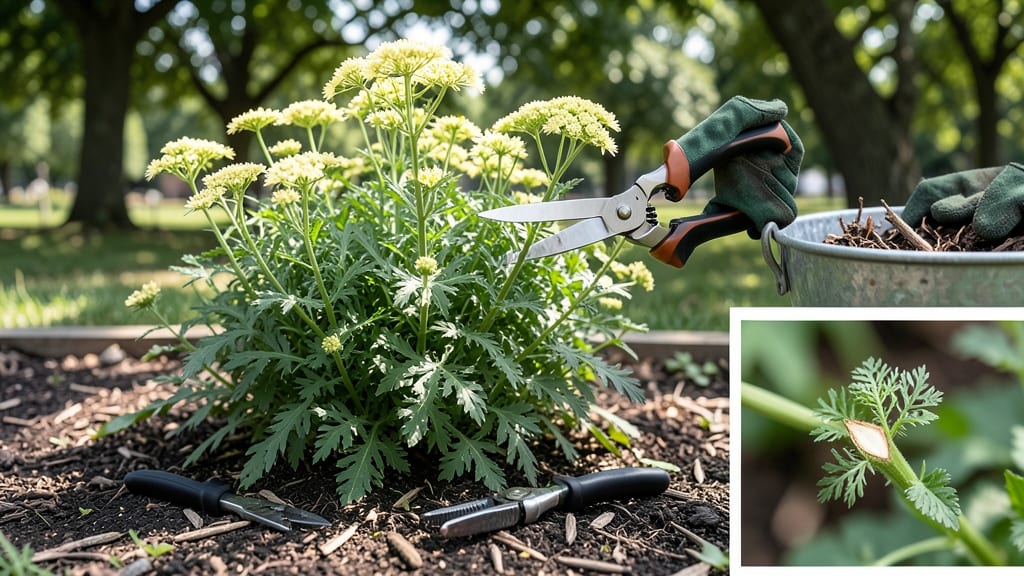
Pruning yarrow isn't just about tidying up—it's the secret to longer blooms and a plant that thrives for years. ✨ I've watched my yarrow go from scraggly to showstopping after mastering just three cuts a year, and the difference is night and day.
The key? Timing matters more than you'd think, especially in hot summers or cold winters.
Start in early spring before new growth emerges, then do a light cleanup in summer after flowering, and finish with a hard cutback in late fall to prep for winter. Most people skip the fall prune, which is why their yarrow looks tired by summer.
I use sharp bypass pruners for clean cuts—never shears, because they crush stems—and always cut back to the base, not just the dead flowers.
What you'll end up with is a bushy, vibrant plant that blooms from early summer through fall, with fewer pests and stronger stems. The flowers stay fresh longer, and the plant recovers faster after each cut. Plus, your yarrow will spread less aggressively, making it easier to control in borders.
Works for all yarrow varieties—from dwarf types to giant Achillea millefolium—and adapts to any climate. Here's how to do it right, step by step, without turning your garden into a yarrow jungle.
📚 In This Guide
- What you need
- Instructions
- Tips and common mistakes
- Wrapping up and next steps
What you need
- ● Sharp pruning shears or bypass pruners – Choose sterilized, high-quality shears (e.g., Felco or Fiskars) with 4- to 6-inch blades for precision cuts.
- ● Garden gloves – Opt for durable, breathable gloves (e.g., nitrile-coated) to protect your hands from thorns and sap.
- ● Disinfectant (rubbing alcohol or bleach solution) – Clean tools before and after use to prevent disease spread (mix 1 part bleach to 9 parts water).
- ● Garden twine or rubber bands – Useful for tying up dense stems if your yarrow is particularly unruly.
- ● Hand pruners – For smaller stems or tight spaces where larger shears won’t fit.
- ● Sharp knife or razor blade – Great for clean cuts on very fine stems (sterilize first!).
- ● Mulch (straw, wood chips, or compost) – Apply after pruning to retain moisture and suppress weeds.
- ● Pruning saw (for large clumps) – Only needed if your yarrow has thick, woody stems over ½ inch in diameter.
- ● Choose a dry, sunny day to prune—wet plants are more prone to disease.
- ● Work during early morning or late afternoon to avoid stressing the plant in peak heat.
- ● Have a bucket or bag handy to collect clippings for composting or crafts!
Step-by-Step guide to pruning yarrow for abundant blooms
Here’s my go-to method for keeping yarrow thriving—whether you’re shaping it for borders or harvesting for bouquets.
✂️ Step 1: Cut Back Dead Flowers After First Bloom
Once yarrow’s first flush of flowers fades, snip the spent blooms down to the first set of healthy leaves using clean, sharp pruners. This encourages a second round of flowers later in the season. I like to do this in early summer when the stems turn brown and papery—it’s a clear visual cue.
Don’t cut too low, though. Yarrow stores energy in its roots, so leaving a few inches of stem preserves that stamina for future growth. If you’re unsure, just trim where the flower stem meets the leafy growth. This keeps the plant compact and prevents legginess.
✂️ Step 2: Thin Out Crowded Stems in Late Summer
By late summer, yarrow can get bushy and crowded. Look for stems that are growing too close together or look weak and spindly. Grab those stems at the base and give them a firm tug—they’ll pull right out. If they resist, use your pruners to cut them cleanly at the soil line.
This step prevents overcrowding, which can lead to fewer flowers and weaker stems. Aim to space remaining stems about 4-6 inches apart. You’ll notice the plant opens up immediately, letting more light and air reach the center. It’s like giving your yarrow a breath of fresh air!
🌿 Step 3: Lightly Trim for Shape in Early Spring
Before new growth starts in early spring, give your yarrow a quick once-over with your pruners. Cut back any dead or damaged stems to about 2 inches above the ground. This clears out last year’s growth and makes room for fresh, vibrant shoots to emerge.
I avoid heavy pruning in spring because yarrow is a tough perennial, but a light trim keeps it tidy. You’ll see new leaves pushing through the soil within a few weeks—that’s your signal everything’s on track. If your yarrow looks particularly woody, you can trim back a bit more, but don’t worry if it looks sparse at first.
⏰ Step 4: Harvest Leaves and Flowers as Needed
Throughout the growing season, you can snip individual stems for bouquets or harvest leaves for tea. Always cut just above a set of leaves to encourage bushier growth. For flowers, pick them when fully open but before they turn brown—this keeps the plant producing more blooms.
If you’re harvesting for dried flowers, wait until the blooms are fully open but still vibrant. Bundle stems and hang them upside down in a dry, dark place. You’ll know they’re ready when the petals crumble easily between your fingers. Just remember: never take more than one-third of the plant at a time to keep it healthy.
✂️ Step 5: Clean Up in Late Fall or Early Winter
When the growing season winds down, cut back the entire plant to about 1-2 inches above the ground. This removes any diseased or pest-ridden foliage and keeps your garden looking neat. I like to do this after the first hard frost, but before the ground freezes solid.
Leave the cut stems in place—they provide some winter protection for the crown. In early spring, you can rake away any remaining debris to prevent pests from overwintering. Your yarrow will reward you with fresh, new growth come spring, looking better than ever.
Tips & tricks for pruning yarrow like a pro
Took me a while to figure these out, so here goes—these tricks will keep your yarrow blooming like crazy all season.
Tool Prep: Always use clean, sharp pruners—dull blades crush stems and invite disease. I like to wipe mine with rubbing alcohol between cuts to prevent spreading any potential pathogens from plant to plant. This is especially important in Step 1 when you're cutting back spent blooms, where bacteria can hide in the old flower heads.
Seasonal Timing Secret: The timing in Step 1 (early summer) and Step 5 (after first frost) is everything. I mark my calendar with these dates because yarrow's growth cycle is tied to temperature shifts. In Step 2, if you're in a hot climate, you might need to thin stems in early August rather than late summer—just watch for those crowded stems starting to compete for sunlight.
Visual Cues for Perfect Cuts: For Step 3's 2-inch trim, imagine slicing off just the top third of a soda can—you want to leave enough stem to support new growth but not so much that it looks messy. In Step 4, when harvesting flowers, look for blooms where the petals are fully unfurled but still firm to the touch—like a fresh daisy, not a wilted one. This ensures you're getting the most vibrant stems for arrangements.
Pro Tips for Prune Yarrow
- Took me a while to figure these out, so here goes—these tricks will keep your yarrow blooming like crazy all season.
- Tool Prep: Always use clean, sharp pruners—dull blades crush stems and invite disease. I like to wipe mine with rubbi...
- Seasonal Timing Secret: The timing in Step 1 (early summer) and Step 5 (after first frost) is everything. I mark my c...
Frequently asked questions
Got questions about pruning yarrow? You’re not alone! Here are answers to the most common concerns—from timing to troubleshooting—to keep your plants thriving.
When is the best time to prune yarrow?
Prune yarrow after it blooms in early summer to encourage a second flush of flowers. Light trims can happen year-round—just avoid heavy cuts in winter when the plant is dormant. For perennials, a late-summer cleanup (after frost) removes dead foliage and preps for spring.
How much should I cut back yarrow in fall?
In fall, trim back yarrow by one-third to remove spent stems and improve airflow. Avoid cutting into the woody base—this protects the plant over winter. If your climate is cold, a light trim prevents snow mold. Pro tip: Leave some foliage for winter interest!
What if I prune yarrow at the wrong time?
Pruning too early (before blooms) delays flowering, while late cuts (after hard frost) may stress the plant. If you accidentally over-prune, don’t panic—yarrow is resilient! Just stop cutting and focus on watering. It’ll bounce back in spring.
Can I use yarrow prunings for anything else?
Dry pruned stems for homemade potpourri or use them as mulch in gardens. The feathery foliage also makes great dried arrangements. Just avoid composting if pests are a concern—yarrow attracts beneficial insects but can harbor aphids.
How often should I prune yarrow for continuous blooms?
For nonstop flowers, prune lightly every 4–6 weeks after the first bloom cycle. Deadhead spent blooms regularly to redirect energy to new growth. Bonus: This method works best in warm climates—cool regions may need fewer cuts.
Still stumped? Yarrow’s forgiving nature means even “mistakes” often lead to stronger plants. Happy pruning!
Wrapping up and next steps
Pruning yarrow doesn’t have to be intimidating—with the right tools, timing, and technique, you’ll keep your plants thriving and blooming beautifully for seasons to come! 🌿 Whether you’re a seasoned gardener or just starting out, regular trims and deadheading will reward you with vibrant foliage and long-lasting flowers.
Now that you’re armed with the know-how, grab those shears and give your yarrow the care it deserves—your garden will thank you!
Ready to take it further? Try experimenting with yarrow in containers or as a cut flower—its hardiness and versatility make it a standout star in any garden! 🌸