
Pruning
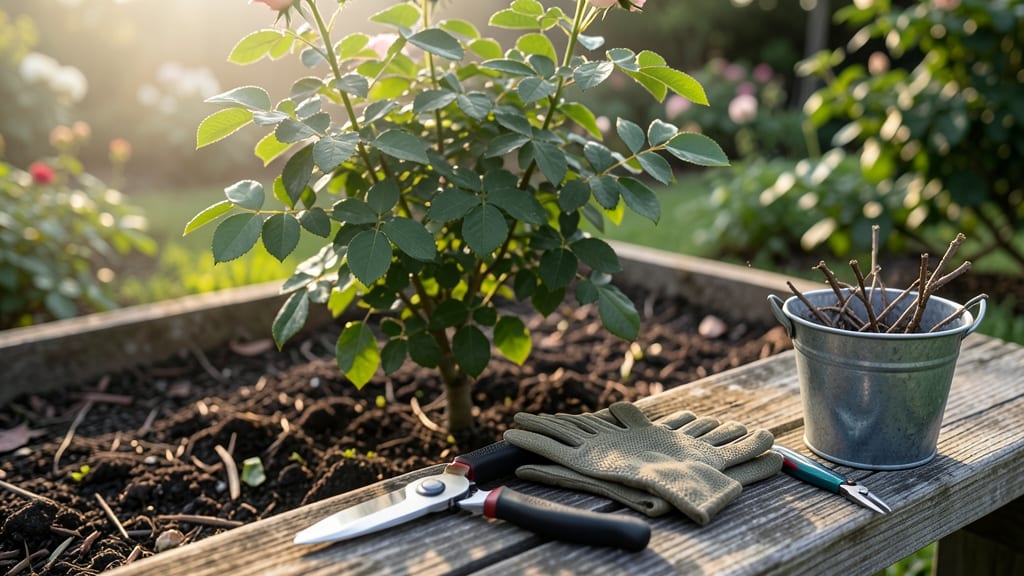
Fall pruning your Knockout rose bush in late October or November unlocks next year’s vibrant blooms while strengthening those sturdy canes—no more leggy, sparse growth. ✂️ I’ve pruned mine for five years, and this seasonal trim is the secret to their relentless flowering.
The key? Timing it right after the first hard frost but before winter dormancy sets in completely.
You’ll need sharp pruners, a disinfectant spray, and a clear day to work—no soggy soil or icy branches. Cut back one-third of the oldest canes to the ground, then shape the rest by removing crossing stems and deadheading faded blooms.
The goal is to open airflow and encourage fresh, vigorous growth from the base.
After pruning, mulch heavily with compost or shredded leaves to protect roots from freezing temps, then water deeply before the ground hardens. By spring, you’ll see thick, dark green shoots bursting from the soil, ready to burst into blooms by Memorial Day.
This method works for all Knockout varieties, whether you’re growing in full sun or partial shade.
Pro tip: Mark pruned canes with flags if you’re unsure which ones you trimmed—new growth will reveal your work. The first flush of blooms might be smaller, but each year after, your bush will reward you with denser, longer-lasting flowers and fewer pests. Trust the process!
📚 In This Guide
- What you need
- Instructions
- Tips and common mistakes
- Wrapping up and next steps
What you need
- ● Pruning shears or loppers: Sharp, bypass-style shears (for small canes) or loppers (for thicker stems, 3/4"–1.5" capacity). Quantity: 1 pair.
- ● Pruning saw: For any stubborn, thick canes (2"–3" diameter). Quantity: 1.
- ● Disinfectant (70% isopropyl alcohol or bleach solution): To sterilize tools between cuts and prevent disease spread. Quantity: Small spray bottle or wipe.
- ● Garden gloves: Heavy-duty, cut-resistant gloves (e.g., 12–14" length). Quantity: 1 pair.
- ● Rake or broom: For clearing fallen leaves/debris from the base. Quantity: 1.
- ● Trash bags or compost bin: To dispose of pruned canes (avoid composting diseased material). Quantity: 2–3 bags.
- ○ Marking twine or flags (optional but helpful): If you’re training new canes or labeling sections.
- ● Hand pruners with a ratchet mechanism: For extended pruning sessions (reduces hand fatigue).
- ● Knee pads or stool: For comfort if your bush is tall or sprawling.
- ● Plant food (balanced 10-10-10 or rose-specific fertilizer): To nourish the bush post-pruning (apply in early spring).
- ● Mulch (shredded bark or pine straw): To protect the base over winter (2–3 inches).
- ● Camera or phone: Snap before/after photos to track progress!
How to prune a Knockout rose bush in fall for healthier growth
Fall pruning sets your Knockout roses up for next year’s spectacular blooms—here’s how to do it right.
✂️ Step 1: Wait Until After First Frost
Prune your Knockout roses after the first hard frost but before heavy snowfall—typically mid-to-late November in most climates. This timing allows the plant to enter dormancy while still giving you time to shape it before winter. If you prune too early, new growth may sprout and get damaged by cold.
Watch for brown, crispy leaves and stems that snap easily when bent—these are your cues. Avoid pruning if temperatures dip below 20°F, as the plant’s defenses are weakened. A light frost blackens foliage but leaves the structure intact, making it the perfect window.
✂️ Step 2: Remove Dead or Diseased Canes
Start by cutting out any blackened, mushy, or hollow canes at the base with clean, sharp pruners. Knockout roses are disease-resistant, but even they can suffer from fungal issues like black spot or powdery mildew. Diseased wood won’t regrow, so remove it entirely—don’t leave stubs.
Look for canes that are shriveled, discolored, or oozing sap—these are clear signs of trouble. Healthy canes feel firm and have a smooth, greenish-brown bark. Toss diseased canes in the trash (not compost) to prevent spreading pathogens to next year’s growth.
✂️ Step 3: Thin Out Crowded or Weak Growth
Step back and assess the bush’s structure. Remove 1/3 of the oldest canes—these are usually the thickest, woody stems at the center. Knockout roses bloom on new wood, so thinning opens up airflow and sunlight, which prevents future fungal issues. Aim for 5-7 strong, evenly spaced canes remaining.
Cut back any crossing, rubbing, or inward-growing branches to eliminate future wounds. Make your cuts at a 45-degree angle, about 1/4 inch above an outward-facing bud. This encourages growth in the right direction and reduces the risk of water pooling on the wound.
✂️ Step 4: Shorten Remaining Canes for Shape and Strength
Trim the remaining canes back by one-third to one-half their height. For Knockout roses, this means cutting just above a strong, outward-facing bud—never leave a stub. The goal is to reduce the plant’s height by about 12-18 inches, depending on its size. This promotes bushier, more compact growth next spring.
If a cane has multiple blooms on a single stem, cut it back to the first 5-leaf cluster below the lowest bloom. This ensures the plant directs energy into producing new, vigorous canes rather than trying to sustain old ones. Avoid over-pruning—never reduce canes by more than half.
🪴 Step 5: Clean Up and Protect the Base
Rake up and dispose of all pruned material (don’t mulch it in place—it can harbor pests). Next, apply 2-3 inches of mulch around the base, keeping it 6 inches away from the stem to prevent rot. Use shredded bark or straw, which insulates roots while allowing moisture to penetrate.
Finally, water deeply after pruning to help the plant recover. A slow soak of 1-2 gallons ensures the roots stay hydrated through winter. Avoid fertilizing now—Knockout roses need a rest period, and fresh nutrients can stimulate unwanted growth before dormancy sets in.
Tips & tricks for perfect fall pruning of Knockout roses
Here's what I learned after years of trial and error with my own Knockout roses—these details make all the difference for next year's blooms.
Timing is Everything: The perfect pruning window is that narrow stretch between 20°F and the first heavy snowfall. I've ruined two batches of roses by pruning too early—new growth would sprout and get fried by late frosts. Watch for those crispy brown leaves and stems that snap easily; that's your cue the plant's ready. If temps drop below 20°F, wait until a warmer spell to avoid shocking the plant.
Tool Prep Matters: I can't stress this enough—use clean, sharp pruners every time. I used to skip sterilizing mine between cuts, and I'd always end up with more fungal issues. After a bad black spot outbreak, I started wiping my pruners with rubbing alcohol between each cut, and my roses stayed healthier. For thick canes, I use loppers with bypass blades—they make cleaner cuts that heal faster.
The 45-Degree Angle Secret: When you make those cuts in Step 3, that 45-degree angle isn't just decoration—it's about water runoff. I learned this the hard way when I made straight cuts and ended up with water pooling on the wounds, leading to rot. The angled cut lets water run off while still leaving that 1/4-inch space above the bud. Pro tip: Hold your pruners at a slight downward angle when cutting to get that perfect slope.
Mulch Like a Pro: That 2-3 inches of mulch isn't just for looks—it's insulation. I used to apply it too close to the stem, and I'd always get rot. Now I keep it 6 inches away and use shredded bark because it breaks down slowly. For extra protection in harsh winters, I add a thick layer of straw on top of the mulch—it's like giving your roses a cozy blanket. The deep watering after pruning (that 1-2 gallons) helps settle the mulch and keeps roots hydrated through winter.
Pro Tips for Fall Pruning Knockout Rose Bush
- Here's what I learned after years of trial and error with my own Knockout roses—these details make all the difference...
- Timing is Everything: The perfect pruning window is that narrow stretch between 20°F and the first heavy snowfall. I'...
- Tool Prep Matters: I can't stress this enough—use clean, sharp pruners every time. I used to skip sterilizing mine be...
Frequently asked questions
Got questions about fall pruning your Knockout Rose bush? You’re not alone! Here are some of the most common concerns—and straightforward answers—to help you prune with confidence.
When is the exact best time to prune Knockout Roses in fall?
Prune after the first hard frost (when leaves turn brown and drop) but before winter dormancy sets in—typically late November to early December in most climates. This timing balances disease prevention with cane hardening for winter. Avoid pruning too early (like September), as new growth won’t mature before cold snaps.
What if I miss fall pruning? Can I still do it in winter or spring?
Yes! Winter pruning (while dormant) is better than nothing, but spring pruning (March–April) is ideal if you skipped fall. Just avoid heavy cuts in late spring, as it may reduce blooms. Pro tip: Lightly shape in winter to remove dead wood, then do the bulk of pruning in early spring for maximum vigor.
How much should I cut back? Should I remove all the canes?
Never remove all canes—Knockout Roses bloom on old wood! Aim to cut back 1/3 of the oldest canes to the ground and trim others by 1/2 their height. Focus on crossing branches, weak growth, and dead/diseased stems. Never shear blindly; precision pruning encourages stronger blooms next year.
Will fall pruning help prevent black spot or other diseases?
Fall pruning removes infected leaves and stems that harbor pathogens. Clean up all debris immediately and sterilize pruners with rubbing alcohol. For extra protection, apply a copper fungicide after pruning. Bonus: Open airflow from pruning reduces humidity, further deterring fungal growth.
Can I fertilize after fall pruning? What should I use?
Wait until early spring (March–April) to fertilize—fall feeding can stimulate tender new growth that won’t survive winter. Use a balanced rose fertilizer (10-10-10) or compost. If your soil is poor, a slow-release organic option like alfalfa meal works well. Skip high-nitrogen fertilizers in fall.
What if my Knockout Rose looks sad after pruning?
Don’t panic! A "messy" appearance post-pruning is normal—focus on structure and health, not perfection. If canes look too sparse, add a mulch layer (3–4 inches) to insulate roots. Water deeply if fall is dry, but avoid overwatering. New growth will emerge in spring with proper care!
Wrapping up and next steps
Fall pruning your Knockout Rose bush is the secret to vibrant blooms and a healthier plant year after year! 🌸 By removing dead or weak canes, you encourage stronger growth and prepare your rose for winter.
With the right tools and timing, you’ll enjoy a stunning, low-maintenance garden that thrives with minimal effort.
Ready to transform your garden? Grab your pruners and get started! If you’re new to pruning, take a deep breath—practice makes perfect. For extra confidence, watch a quick tutorial or join a local gardening group for hands-on tips. Your roses will thank you!