
Pruning
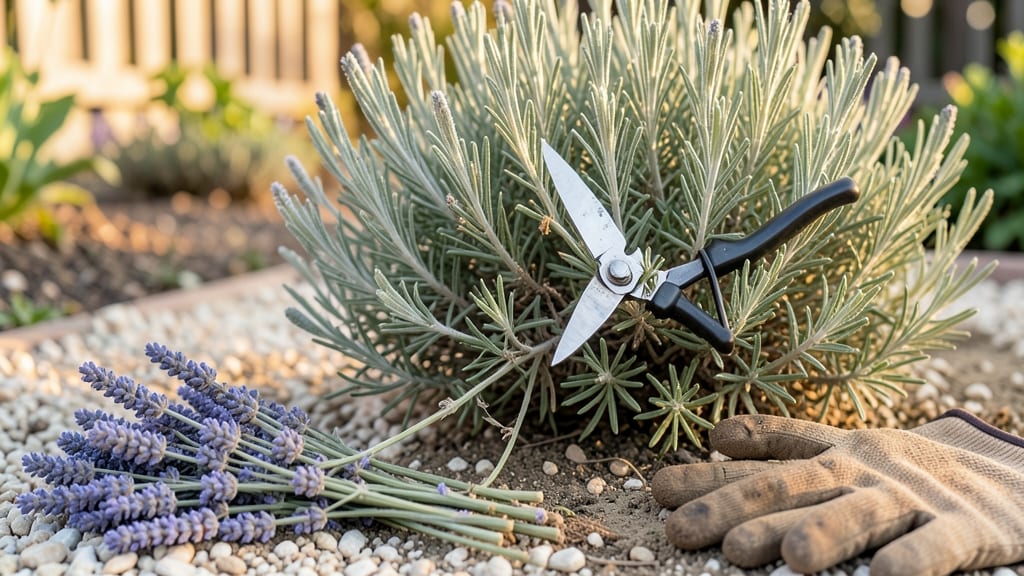
Hard pruning lavender in late winter or early spring is the secret to year-round fragrance and plants that look like they belong in a French countryside garden. 🌿 I learned the hard way—skipping this step left my lavender leggy and sparse, but after one proper prune, it transformed into a bushy, blooming powerhouse.
The key is timing: prune before new growth starts, and you’ll trigger a flush of fresh, vibrant stems ready for summer’s heat.
You only need three things: sharp bypass pruners (dull blades crush stems), gloves (lavender’s tiny leaves can be prickly), and a clear day (you’ll be making quick cuts). The goal is to remove one-third of the oldest wood—those woody stems at the center—while keeping the outer framework intact.
Think of it like giving your plant a haircut that shapes its future growth rather than just trimming dead bits. Most people over-prune, but lavender is surprisingly forgiving if you stay patient.
After pruning, your lavender will look like a sad, overgrown shrub—but that’s just the beginning. Within 4-6 weeks, you’ll see new shoots emerging from the base, and by summer, those stems will be thick with fragrant blooms.
The plants become denser, resist pests better, and even handle drought more easily. The scent? Double what you had before, because healthy lavender packs more oil glands into its foliage. Just avoid fertilizing—lavender thrives on neglect, not nitrogen.
For those who live in milder climates, a light prune after blooming (in late summer) keeps the plant tidy without sacrificing next year’s flowers. And if you’re worried about overdoing it? Lavender sends up new shoots from the base, so even a misstep won’t kill it—just adjust next time.
The first year might feel risky, but trust the process. Your garden will thank you with fragrance that lingers for months and a shape that makes neighbors ask how you did it.
📚 In This Guide
- What you need
- Instructions
- Tips and common mistakes
- Wrapping up and next steps
What you need
- ● Pruning shears: Bypass pruners (for clean cuts) or anvil pruners (for thicker stems). Choose sharp, high-quality shears (e.g., Felco or Fiskars) to avoid crushing stems.
- ● Gloves: Heavy-duty gardening gloves (e.g., mechanics’ gloves) to protect against thorns and rough stems.
- ● Disinfectant: 70% isopropyl alcohol or a 10% bleach solution (1 part bleach to 9 parts water) to sterilize tools between cuts and prevent disease.
- ○ Garden twine or tape: To mark pruning points on taller lavender plants (optional but helpful for beginners).
- ● Pruning saw: Only if dealing with very thick, woody stems (e.g., older lavender bushes).
- ● Garden waste bag or bucket: For collecting pruned stems and debris (aim for a 5-gallon capacity or larger).
- ● Hand pruners: For smaller stems that are tough to reach with larger shears.
- ● Loppers: For medium-sized branches (16–24 inches long).
- ● Hose or water spray: To rinse tools after disinfecting or wet down dusty plants before pruning.
- ● Compost bin: To recycle pruned lavender (avoid composting if the plant shows signs of disease).
- ● Knee pads: For comfort if you’re kneeling for extended periods.
Step-by-step guide to hard pruning lavender for year-round health
This is the method I swear by for keeping lavender lush, fragrant, and blooming like crazy—no matter the season.
✂️ Step 1: Choose the Right Time for Your Climate
Hard pruning lavender means cutting back one-third to one-half of the plant's height, and timing matters. In zones 5-7, do this in late winter or early spring (February-March) before new growth starts. For zones 8-10, prune in late spring after flowering (April-May) to avoid winter dieback.
Watch for the first signs of new growth—tiny green buds at the base of stems. That's your signal to prune. If you wait too long, you'll cut back fresh growth instead of old wood, and your plant may struggle to rebound.
✂️ Step 2: Gather the Right Tools and Prep the Plant
Use only clean, sharp pruning shears—dull blades crush stems and invite disease. Disinfect your shears with rubbing alcohol before you start. Lavender hates wet conditions, so prune on a dry, sunny day when the plant is fully hydrated but not soggy.
Remove any dead, diseased, or crossing branches first. These are your weak points and should go before the main pruning. I like to step back and look at the plant as a whole—this helps me visualize the shape I want to create.
✂️ Step 3: Cut Back to Healthy Wood and Shape the Plant
Make your cuts just above a set of healthy buds or leaf nodes—never leave stubs. For most lavender varieties, aim to cut back to 4-6 inches from the base. This encourages bushier growth and prevents leggy stems.
Shape the plant into a rounded form, wider at the base and tapering slightly toward the top. Avoid cutting into old, woody stems—these won't regrow. If you're unsure, cut back less aggressively and always leave some green growth.
💧 Step 4: Water and Mulch for Recovery
After pruning, give your lavender a deep watering to help it recover. Water at the base, avoiding the foliage to prevent fungal issues. Mulch lightly with 2-3 inches of gravel or coarse sand to improve drainage and keep roots cool.
Lavender thrives on neglect, but after a hard prune, it needs a little extra care. Avoid fertilizing—lavender prefers lean soil. Instead, focus on keeping the roots dry and the plant in full sun for at least 6-8 hours daily.
☀️ Step 5: Monitor and Maintain Through the Season
In the first 4-6 weeks after pruning, watch for new growth. If the plant looks stressed (yellowing leaves, wilting), it may need more sun or less water. Lavender is drought-tolerant, so only water when the soil feels bone-dry to the touch.
By late summer, you should see fresh, fragrant foliage and new blooms. If your lavender doesn't rebound, you may have pruned too aggressively. Next time, cut back just one-third instead of half.
Tips & tricks for perfect year-round lavender pruning
Here's what I learned after years of trial and error with my own lavender bushes—these tricks will help you avoid common mistakes and keep your plants thriving.
Timing Secret: The February-March window for zones 5-7 is critical because it gives your lavender enough time to establish new growth before summer heat. I've seen plants struggle when pruned too early—they just don't have time to recover before the growing season kicks in. For zones 8-10, that post-flowering timing in April-May prevents winter dieback by avoiding late-season growth that might not harden off properly.
Tool Technique: Never use scissors or kitchen knives—they create jagged cuts that invite disease. Your pruning shears should be so sharp they glide through stems without crushing them. I've ruined three lavender plants with dull shears before learning this lesson! Always disinfect with rubbing alcohol between cuts, especially if you're working with multiple plants.
Visual Pruning Guide: When shaping your lavender, imagine it as a rounded dome. The base should be noticeably wider than the top—this creates that classic bushy lavender silhouette. For height, aim for 4-6 inches from the base, but if you're unsure, cut back less aggressively. You can always prune more next year, but you can't uncut what you've removed!
Recovery Strategy: That 2-3 inches of gravel mulch isn't just decorative—it's essential for keeping roots cool and preventing rot. After pruning, I water deeply but only at the base, never on the foliage. This might seem counterintuitive since lavender is drought-tolerant, but the pruning creates stress points that need extra hydration to recover properly.
Pro Tips for Hard Prune Lavender
- Here's what I learned after years of trial and error with my own lavender bushes—these tricks will help you avoid com...
- Timing Secret: The February-March window for zones 5-7 is critical because it gives your lavender enough time to esta...
- Tool Technique: Never use scissors or kitchen knives—they create jagged cuts that invite disease. Your pruning shears...
Frequently asked questions
Got questions about hard pruning lavender? You’re not alone! Here are the answers to the most common concerns—so you can confidently shape your plants for lush, fragrant blooms all year.
When is the best time to hard prune lavender?
Hard prune lavender right after flowering (late spring to early summer) or in early spring before new growth starts. Avoid pruning in fall or winter—this can stress the plant and reduce hardiness. For Mediterranean climates, late spring is ideal!
How much can I cut back when hard pruning?
You can safely remove up to one-third of the plant’s height in a single pruning. For woody stems, cut back to just above a healthy bud or a leaf node. Never prune into bare wood—this can kill the plant. Think of it like sculpting: less is more!
Will hard pruning kill my lavender?
If done correctly, hard pruning won’t kill your lavender—but it can shock it if overdone. Always use clean, sharp tools and avoid cutting into old, woody stems. If your plant looks sad after pruning, give it time (and water sparingly) to bounce back. Patience is key!
What’s the difference between hard pruning and regular trimming?
Hard pruning
is aggressive—cutting back 1/3 of the plant’s height to rejuvenate growth, while regular trimming is light maintenance (shaping, removing dead blooms). Hard prune once a year; trim lightly throughout the growing season to encourage bushiness.
Can I hard prune lavender every year?
Yes! Annual hard pruning keeps lavender compact and vigorous, but avoid it in the first year after planting. For established plants, prune every 12 months—just time it right (post-flowering or early spring). Over-pruning young plants can stunt their growth.
Pro Tip:
After hard pruning, water lightly and avoid fertilizing—lavender thrives in poor soil. The less you fuss, the happier it grows!
Wrapping up and next steps
Mastering the art of hard pruning lavender transforms your garden into a fragrant, lush paradise year after year! 🌿 By following the right techniques—timing, tools, and aftercare—you’ll encourage bushier growth and abundant blooms while keeping your plants healthy.
Remember, patience and precision are key, but the results are absolutely worth it.
Ready to take the next step? Grab your pruners and schedule your first hard prune this spring or early fall. Watch your lavender thrive, and soon, you’ll be the envy of every gardener in your neighborhood! 🌸