
Pruning
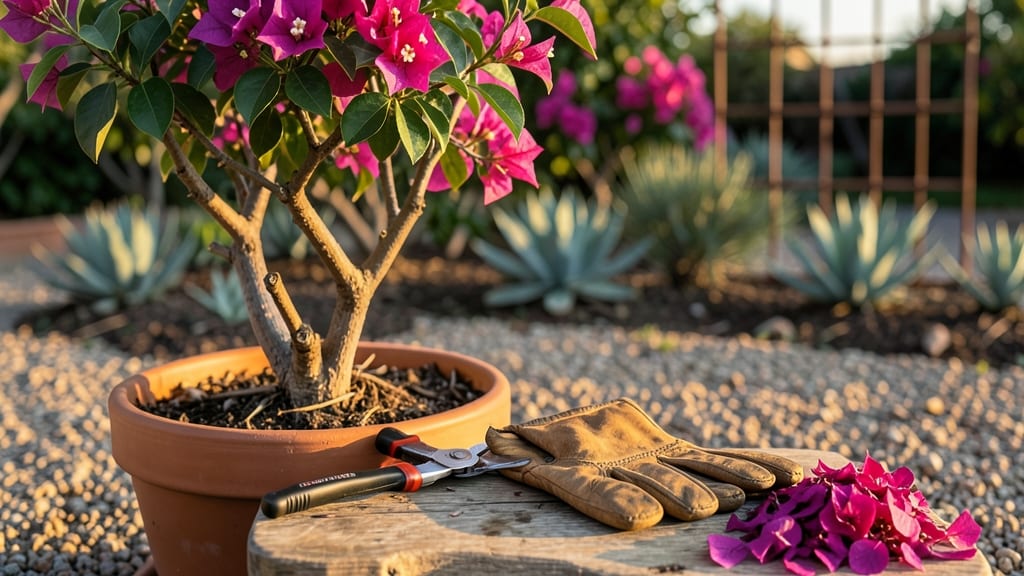
Hard pruning bougainvillea isn't just cutting back—it's the secret to year-round blooms that turn your plant from scraggly to showstopping. ✂️ I’ve transformed my once-lanky bougainvillea into a vibrant, bushy powerhouse using this method, and the results are nothing short of dramatic.
The key? Timing, technique, and a little patience to watch those bold flowers rebound stronger than ever.
You’ll need sharp pruners, a clean workspace, and about 30 minutes—no fancy tools required. The best time to prune is late winter or early spring, just as new growth begins, though you can do light shaping anytime.
Start by cutting back one-third of the plant to encourage dense branching, and always prune just above a leaf node to spark fresh growth. The goal? A fuller shape and more blooms, not just random chopping.
What you’ll end up with is a bougainvillea that’s bursting with color and growing thicker every season. Those bright pink, purple, or orange blooms will appear faster, and the plant will handle heat and drought like a champ.
Just avoid over-pruning in one session—gradual cuts keep the plant happy and blooming.
This method works for container plants, trellises, or ground covers, and even revives neglected bougainvilleas. The first flush of new growth after pruning is the most exciting part—watch those buds form within 4-6 weeks. Ready to give it a try? Grab your pruners and let’s get started!
📚 In This Guide
- What you need
- Instructions
- Tips and common mistakes
- Wrapping up and next steps
What you need
- ● Pruning shears or loppers – Choose bypass pruners (for clean cuts) or anvil pruners (for thicker branches). Opt for sharp, sterilized tools (7–10 inches long) to avoid crushing stems.
- ● Hand pruners – For smaller stems (¼–¾ inch thick), a pair of bypass pruners (4–6 inches) works best.
- ● Gloves – Wear thick, cut-resistant gloves (e.g., leather or heavy-duty fabric) to protect against thorns and sap.
- ● Disinfectant (70% isopropyl alcohol or bleach solution) – Clean tools before and after pruning to prevent disease spread (1 part bleach to 9 parts water).
- ● Rag or paper towels – For wiping down tools and hands.
- ● Trash bags or bucket – Collect pruned branches for disposal or composting (if disease-free).
- ○ Pruning sealant (optional but helpful) – A tree wound sealant (like Tanglefoot or pruning paste) for cuts larger than ½ inch to prevent infection.
- ● Safety glasses – Protect your eyes from flying debris, especially when pruning dense or thorny growth.
- ● Ladder or step stool – For reaching higher branches safely (ensure it’s stable!).
- ● Hose or water spray – Rinse tools and wounds to remove sap and reduce pest attraction.
- ● Notebook & pen – Sketch a quick map of your bougainvillea’s structure to guide pruning decisions.
- ● Fertilizer (balanced or bloom booster) – Apply 2–4 weeks post-pruning to encourage new growth (e.g., 10-10-10 or 20-20-20 NPK ratio).
Instructions for hard pruning bougainvillea: year-round tricks
Here’s how I transform leggy bougainvillea into a lush, flowering powerhouse—no matter the season.
✂️ Step 1: Time Your Pruning for Maximum Regrowth
Bougainvillea responds best to hard pruning in late winter or early spring, just as new growth begins. In warmer climates, you can prune lightly year-round, but avoid heavy cuts during flowering season—you’ll sacrifice blooms for bushier structure later. Look for dormant stems (no leaves or flowers) as your cue. If you’re pruning in summer, do it right after a major bloom cycle to encourage fall regrowth.
I always prune on a dry, overcast day to reduce stress on the plant. The goal is to cut back one-third to one-half of the plant’s height, removing weak, spindly growth first. Use clean, sharp pruners—dull blades crush stems, inviting disease. Wipe blades with rubbing alcohol between cuts to prevent bacterial spread.
✂️ Step 2: Cut Back to the Right Spots for Bushy Growth
Never cut into old wood—brown, woody stems won’t regrow. Instead, target green stems just above a leaf node (the bump where leaves attach). Make cuts at a 45-degree angle, about ¼ inch above the node, to prevent water from pooling and rotting the wound. This angled cut also encourages faster healing.
If you’re shaping a bush, leave 3-5 strong stems as your framework. Remove any crossing branches or stems growing inward—they’ll compete for light and nutrients. For climbing varieties, prune to encourage upward growth by cutting back lateral branches. You’ll know you’ve pruned correctly when you see multiple buds along the remaining stems within weeks.
☀️ Step 3: Feed and Hydrate for Rapid Recovery
After pruning, bougainvillea needs balanced fertilizer (10-10-10 or similar) to fuel regrowth. Mix ½ teaspoon per gallon of water and apply once a month during active growth. Over-fertilizing now will burn tender new shoots—stick to the lower dose until you see new leaves unfurling. I also add a mulch ring around the base to retain moisture and regulate soil temperature.
Water deeply but infrequently—bougainvillea hates soggy roots. Soak the soil until water drains from the bottom of the pot (or 6 inches deep in ground plantings), then let it dry out before watering again. You’ll see new shoots emerging in 3-6 weeks, depending on your climate. If growth stalls, it’s a sign of underwatering or insufficient light—move the plant to a sunnier spot immediately.
🌿 Step 4: Maintain Shape and Encourage Flowers
Once new growth appears, lightly prune again to shape the plant. Pinch back the tips of new shoots to encourage branching—this is how you get that dense, bushy look. For flowering varieties, remove spent blooms (deadheading) to redirect energy into new flowers. I also trim back any water sprouts (shoots growing from the base or trunk) as they appear—they drain energy from the main structure.
Bougainvillea flowers best with full sun (6+ hours daily) and well-draining soil. If your plant isn’t blooming, check its light exposure first—partial shade leads to leafy growth but few flowers. In containers, rotate the pot quarter-turn weekly so all sides get even sun. With consistent care, you’ll see bold, vibrant blooms in 8-12 weeks, proving your hard pruning paid off.
Tips & tricks for perfect bougainvillea pruning
Here's what nobody tells you about transforming your bougainvillea—these are the secrets that make all the difference between a sad, leggy plant and a vibrant, blooming beauty.
Seasonal Timing Secret: The late winter or early spring timing in Step 1 is non-negotiable for most climates, but here's the thing: if you're in Zone 10 or warmer, you can actually prune lightly in summer after your main bloom cycle. I've done this successfully in August, and while you won't get as much regrowth, you'll still encourage fall blooms. The key is to never prune during active flowering—this disrupts the plant's energy flow and can kill your bloom production for the season.
Pruning Technique That Changed Everything: That 45-degree angled cut in Step 2 isn't just about looks—it's about plant health. The angle prevents water from pooling in the wound, which would otherwise create a perfect breeding ground for fungal infections. I've seen too many pruning mistakes where people make straight cuts, and within weeks, those wounds turn black and oozy. Pro tip: Use a sharp pruner and make the cut just above a leaf node where you see multiple buds forming—that's where new growth will emerge.
Post-Pruning Care Rescue Strategy: When you see new shoots emerging in 3-6 weeks (as mentioned in Step 3), don't panic if they look weak. This is normal! The plant is redirecting energy to new growth. What I do is give it a light feeding with half-strength fertilizer (¼ teaspoon per gallon) and make sure it gets bright, indirect light for the first week. Direct sun can scorch tender new growth. If you notice yellowing leaves, it's usually a sign of overwatering—bougainvillea hates soggy roots, so let the soil dry out completely between waterings.
Flowering Hack: That 6+ hours of full sun in Step 4 is critical, but here's the bonus tip: if your bougainvillea isn't blooming, check your light first—but also consider your fertilizer. Too much nitrogen (the first number in 10-10-10) promotes leafy growth at the expense of flowers. For maximum blooms, switch to a low-nitrogen, high-phosphorus fertilizer (like 5-10-10) once new growth appears. This redirecting of nutrients is what triggers those vibrant flowers you're after.
Pro Tips for Hard Pruning Bougainvillea
- Here's what nobody tells you about transforming your bougainvillea—these are the secrets that make all the difference between a sad, leggy plant and a vibrant, blooming beauty.
- I've done this successfully in August, and while you won't get as much regrowth, you'll still encourage fall blooms.
- Pruning Technique That Changed Everything: That 45-degree angled cut in Step 2 isn't just about looks—it's about plant health.
Frequently asked questions
Got questions about hard pruning your bougainvillea? You’re not alone! Here are some of the most common concerns—and expert answers to keep your plant thriving.
When is the best time to hard prune bougainvillea?
Hard prune in late winter or early spring (just before new growth starts) for the best results. Avoid pruning in fall or winter in colder climates, as tender new growth may not survive frost. If you’re in a warm zone, you can prune lightly year-round—but never cut into old wood!
How much can I cut back without killing the plant?
You can safely cut back up to ⅔ of the plant’s height if needed! Focus on removing dead, weak, or overly leggy stems. Just leave 2-3 nodes (buds) per stem—these will sprout new branches. Over-pruning in one go can stress the plant, so space cuts out if doing major renovations.
Will hard pruning make my bougainvillea bloom more?
Hard pruning stimulates bushier growth and more flowering sites. The key is to cut just above a leaf node (where blooms form). If you prune too late in the season, you might miss that year’s flowers—but next season will be even better!
What should I do if my bougainvillea doesn’t bounce back after pruning?
If your plant looks sad post-prune, check for:
- Underwatering (bougainvillea hates soggy roots—drain well!).
- Over-fertilizing (too much nitrogen = leafy growth, fewer blooms).
- Pests/disease (inspect leaves for mites or fungal spots).
Can I shape bougainvillea without hard pruning?
Yes! For light shaping, trim just the tips of branches to encourage fullness. Use soft pruning (removing only the current season’s growth) to maintain size without drastic changes. Hard pruning is best for renovating old, woody plants or reviving leggy growth.
Wrapping up and next steps
Hard pruning your bougainvillea might feel intimidating at first, but with the right tools, timing, and confidence, you’ll unlock vibrant blooms and lush, bushier growth all year round. 🌸 Remember, this isn’t just about cutting—it’s about sculpting your plant’s future!
Start small if you’re new, and don’t hesitate to embrace the process. Your next logical step? Grab those shears, pick a sunny day, and watch your bougainvillea transform into a stunning, thriving centerpiece. Happy pruning!