
Pruning
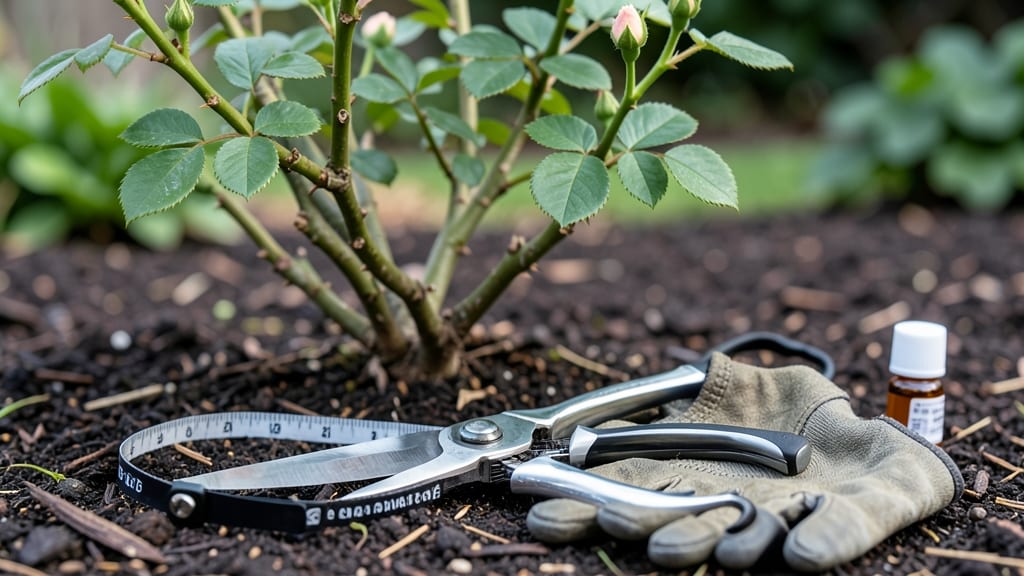
Hard pruning roses turns a tangled mess into a vibrant, productive bush in just 30 minutes—no green thumb required. ✂️ I’ve revived multiple overgrown bushes using this method, and the results are nothing short of dramatic: thicker canes, more blooms, and plants that look like they just got a spa day.
The key? Timing, sharp cuts, and knowing exactly where to make them.
You’ll need three essential tools: bypass pruners (for clean cuts), rubbing alcohol (to disinfect between cuts), and a pair of gloves (roses have thorns that don’t care about your mood).
Work on a dry day in late winter or early spring, before new growth starts—this is when roses are dormant and can handle the dramatic makeover. Most bushes bounce back faster than you’d expect, with fresh shoots appearing within 2-3 weeks of pruning.
The payoff is lush, bushier growth and a flood of blooms by summer. You’ll end up with a rose bush that’s easier to maintain, more resistant to disease, and packed with flowers—exactly what you want from your garden’s centerpiece.
The best part? This method works for hybrid teas, floribundas, and even climbing roses, though adjustments are needed for each type.
Fair warning: hard pruning feels extreme at first, but trust the process. If you’ve ever stared at a rose bush thinking, “Why isn’t this working?” this is your reset button. Let’s get those canes trimmed—and your garden back in shape.
📚 In This Guide
- What you need
- Instructions
- Tips and common mistakes
- Wrapping up and next steps
What you need
- ● Bypass pruners – Sharp, clean, and disinfected (1 pair). Avoid dull tools—they crush stems instead of cutting cleanly.
- ● Loppers – For thicker stems (up to 2 inches in diameter). Look for bypass-style loppers with ergonomic handles (1 pair).
- ● Pruning saw – For stubborn, woody stems larger than 2 inches (1 saw). A curved-tooth blade prevents tearing.
- ● Garden gloves – Heavy-duty, cut-resistant (1 pair). Roses can be thorny, and protection is key!
- ● Disinfectant – 70% isopropyl alcohol or a 10% bleach solution (small spray bottle or cloth). Clean tools between cuts to prevent disease.
- ● Buckets or bags – For collecting pruned debris (2–3 buckets or 1 large bag). Line with trash bags for easy disposal.
- ● Rubbing alcohol wipes – Quick tool disinfection on the go.
- ● Hand pruners – For precision cuts on small stems (backup pair).
- ○ Pruning sealant – Optional for large cuts (e.g., Tree Seal), but only if your roses are disease-prone.
- ● Knee pads – If you’re pruning low-growing or sprawling bushes.
- ● Markers or flags – To label varieties if you have mixed roses.
- ● Timing – Prune in late winter or early spring (before new growth starts). Avoid pruning in fall or during frost.
- ● Weather – Choose a dry, calm day. Wet conditions can spread disease.
- ● Safety gear – Sunglasses (roses can be bright!) and sunscreen if working in full sun.
- ● Plan ahead – Sketch a rough pruning plan (or take photos) if your roses are heavily overgrown.
Instructions: how to hard prune roses for a full revival
Here's the straightforward method I use to bring back roses that have lost their vigor.
✂️ Step 1: Gather Tools and Assess the Bush
Start with clean, sharp pruning shears and a small bucket for clippings. I like to disinfect my tools with rubbing alcohol first—this prevents spreading disease between cuts. Grab a pair of gloves too; roses can have thorns that draw blood even through thick skin.
Examine the bush carefully. Look for dead, diseased, or crossing branches—these are your first targets. You'll notice dead wood as dry, brown stems that snap easily when bent. Diseased branches often have black spots or oozing sap. Mark these with a piece of twine or flagging tape so you don't miss them later.
✂️ Step 2: Remove Dead and Diseased Wood First
Cut out all dead and diseased branches completely down to the main stem or ground level. This might seem drastic, but it's essential—dead wood won't regrow and can harbor pests or diseases that will infect healthy growth. Make your cuts at a 45-degree angle, about ¼ inch above a healthy bud that's facing outward from the center of the bush.
Don't worry if the bush looks bare after this step. You're creating space for new, vigorous growth. I always work in sections, removing a few branches at a time, so I don't get overwhelmed. If you're unsure whether a branch is dead, scratch the bark with your fingernail—if it's green underneath, it's still alive.
✂️ Step 3: Cut Back Healthy Canes to Encourage New Growth
Now for the hard pruning: cut back the remaining healthy canes to about 12-18 inches from the ground, depending on the size of your bush. Aim to leave 3-5 strong, outward-facing buds on each remaining cane. These buds will sprout into new growth, giving your rose bush a fresh start.
Make your cuts just above a bud, at a 45-degree angle. This ensures water runs off the cut and doesn't pool, which can cause rot. If you're pruning a climbing rose, cut the canes back to 4-5 feet tall—this encourages bushier growth rather than long, leggy stems.
✂️ Step 4: Shape the Bush for Airflow and Light
Step back and look at the overall shape of your rose bush. You want to create an open, vase-like structure that allows good airflow and sunlight to reach the center. This prevents fungal diseases like black spot. Remove any branches that are growing inward or rubbing against each other.
Thin out crowded areas so light can penetrate to the center of the bush. You'll see new shoots emerging from the buds you left behind—these will fill in the gaps and create a fuller, healthier plant. If you're pruning a shrub rose, aim for a rounded shape. For hybrid teas, keep the center open to allow light to reach the buds.
💧 Step 5: Clean Up and Fertilize for Recovery
After pruning, remove all the clippings from the area—don't leave them on the ground, as they can harbor pests and diseases. Dispose of them in the trash or compost bin (if disease-free). Give the base of the bush a light application of balanced fertilizer (like 10-10-10) to encourage new growth.
Water the bush deeply right after pruning to help it recover. You'll see new shoots emerging within 2-3 weeks, depending on the time of year and your climate. Keep the soil consistently moist but not soggy during this recovery period. Avoid heavy pruning in late summer or fall, as new growth won't have time to harden off before winter.
Tips & tricks for perfect rose revival pruning
Transforming a struggling rose bush into a vibrant showstopper takes more than just cutting branches—it's about strategic pruning that sparks new life. Here's what I've learned from years of bringing roses back from the brink.
Tool Prep Matters: The sharpness of your pruning shears makes all the difference. Before you start, test your tools by cutting through a piece of paper—if it drags, your blades need sharpening. I also keep a small bottle of rubbing alcohol handy to disinfect between cuts, especially when moving from diseased branches to healthy ones. This simple step prevents cross-contamination that could ruin your entire bush.
Bud Selection is Critical: When cutting back healthy canes in Step 3, focus on leaving 3-5 outward-facing buds per cane. These buds should be plump and green, not shriveled or brown. I always run my thumb along the cane to feel for the next bud after each cut—this ensures I'm making precise cuts at the right angle. Remember, the outward-facing buds will grow away from the center, creating that open, airy structure we want.
Shape with Purpose: Step 4 isn't just about aesthetics—it's about creating a bush that can thrive. I visualize the center of the bush like a vase: wide at the top, narrow at the bottom. This shape allows sunlight to reach all parts of the plant and air to circulate freely. If you're unsure about your shape, take a photo before you start and compare it to reference images of properly pruned roses.
Timing Your Recovery: While the instructions mention seeing new shoots in 2-3 weeks, I've found that spring pruning (just before new growth begins) gives the best results. If you're in a warmer climate, you might see shoots in as little as 10 days. The key is to keep the soil consistently moist during this period—think of it like giving your roses a drink of water every other day rather than one big soak.
Pro Tips for Hard Pruning Roses
- Transforming a struggling rose bush into a vibrant showstopper takes more than just cutting branches—it's about strategic pruning that sparks new life.
- Tool Prep Matters: The sharpness of your pruning shears makes all the difference.
- Bud Selection is Critical: When cutting back healthy canes in Step 3, focus on leaving 3-5 outward-facing buds per cane.
Frequently asked questions
Got questions about hard pruning roses? You’re not alone! Here are some of the most common concerns—and quick answers to get your roses back in shape.
When is the best time to hard prune roses?
Hard prune roses in late winter or early spring (just before new growth starts). For cold climates, wait until after the last frost. In warmer regions, prune in fall to avoid disease. Avoid pruning during active growth or flowering seasons.
How much can I cut back my rose bushes?
You can remove up to ⅔ of the plant’s height—even down to a few inches from the ground! Focus on cutting back to healthy buds (eyes) that face outward. Older, woody stems can be cut almost flush, while newer growth should keep a few buds for regrowth.
Will hard pruning kill my roses?
Not if done correctly! Hard pruning stimulates new growth by removing dead or weak wood. However, avoid over-pruning (never cut into old, bare wood). If your roses are completely dormant (no leaves or buds), they’re ready for a drastic trim.
How do I prevent disease after pruning?
Always use sterilized tools (rubbing alcohol or bleach solution) and seal cuts with pruning sealer if needed. Remove fallen leaves/debris, and avoid pruning when the plant is wet. For extra protection, apply a copper fungicide after pruning.
Can I hard prune roses in containers?
Yes! Container roses benefit even more from hard pruning since they have limited space. Trim back to 12–18 inches (or lower for dwarf varieties) and repot if roots are crowded. Use fresh, well-draining soil to encourage vigorous regrowth.
Wrapping up and next steps
Hard pruning might seem daunting, but with the right tools and technique, you can transform tired rose bushes into vibrant, thriving plants in just 30 minutes! 🌹 The key is confidence—cut boldly, follow the one-third rule, and don’t fear the snips.
Your roses will reward you with lush growth, stunning blooms, and years of beauty.
Ready to take the next step? Grab your pruners, mark your calendar for early spring or late winter, and give your roses the fresh start they deserve. Happy pruning—your garden will thank you!