
Pruning
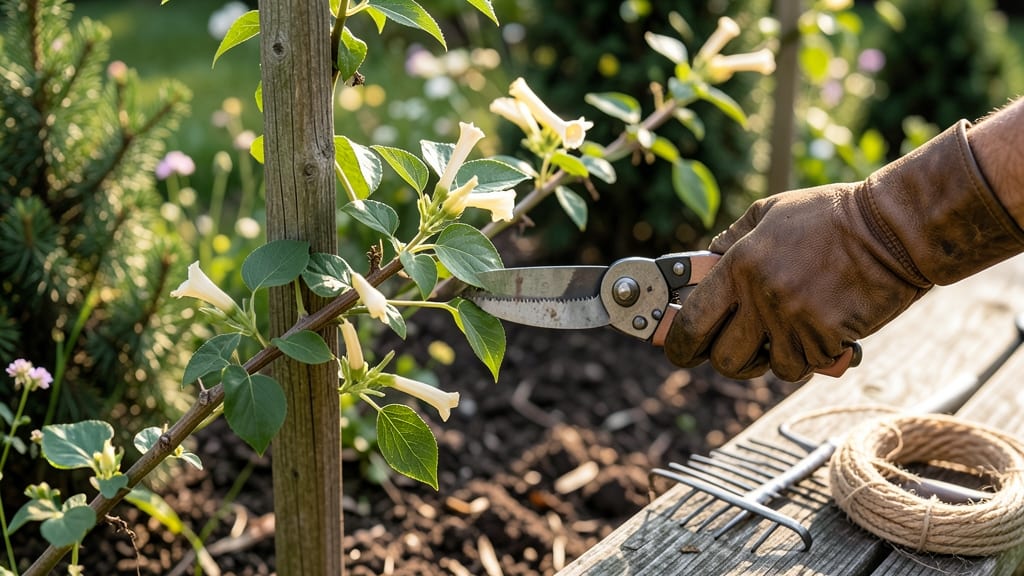
Pruning honeysuckle plants transforms a tangled mess into a fragrant, bushy powerhouse. ✨ The right cuts at the right time mean more blooms, stronger stems, and a vine that climbs like it’s been trained by a pro—not a beginner.
I’ve turned my honeysuckle from a rambling eyesore into a garden centerpiece with just a few key techniques.
The secret isn’t complicated: prune in late winter or early spring to shape the plant, then do light maintenance trims after flowering to encourage new growth. You’ll need sharp pruners, gloves, and about 30 minutes—that’s it.
The goal is to remove dead wood, thin crowded branches, and redirect energy where you want it: more flowers, not just leaves.
By summer, you’ll see the payoff—thicker vines, brighter blooms, and that signature honeysuckle scent filling the air. The plant stays healthier, resists pests better, and produces more flowers for years. Plus, it’s way easier to manage than letting it grow wild.
Works for both climbing varieties and bush types, whether you’re pruning a trellis or a standalone shrub. Here’s how to do it without overcomplicating things—no green thumb required.
📚 In This Guide
- What you need
- Instructions
- Tips and common mistakes
- Wrapping up and next steps
What you need
- ● Pruning shears: Bypass pruners (sharp, clean blades) for cuts under ½ inch in diameter. Pro tip: Disinfect with rubbing alcohol between cuts to prevent disease spread! 💡
- ● Loppers: 1 pair (for thicker stems, 1–2 inches in diameter). Look for ratcheting or bypass-style for precision.
- ● Pruning saw: 1 handheld saw (for stubborn, thick branches over 2 inches). Bow or pruning saws work best.
- ● Gloves: Heavy-duty gardening gloves (cut-resistant for thorny varieties like Lonicera sempervirens).
- ● Ladder or step stool: If your honeysuckle climbs 6+ feet high. Non-slip is a must!
- ○ Disposable pruning bags: 1–2 (for collecting debris; optional but handy for cleanup).
- ● Hand pruners: For delicate trimming of small stems (great for shaping).
- ● Rubbing alcohol (70%+) or bleach solution: To sterilize tools between cuts.
- ○ Plant sealant (pruning wax): For sealing larger cuts (speeds healing; optional for honeysuckle).
- ● Notebook & pen: To jot down pruning notes (e.g., "cut back ⅓ of last year’s growth").
- ● Safety glasses: If working near eyes or with dusty debris.
- ● Check the weather: Prune on a dry, overcast day (or early morning) to reduce stress on the plant.
- ● Know your variety: Research if your honeysuckle is deciduous or evergreen—timing varies!
- ● Gather a bucket of water: For rinsing tools and cooling off on warm days. ✨
How to prune honeysuckle for healthier vines and more blooms
Here's the method I've used for years to keep my honeysuckle vines thriving—no guesswork, just proven results.
✂️ Step 1: Prune Dead or Diseased Wood First
Start by removing any branches that look brown, mushy, or shriveled—these are dead or diseased and will drain your plant's energy. I grab my pruners and cut back to a healthy green bud or branch junction, making the cut at a 45-degree angle about ¼ inch above the bud. This angled cut helps water run off instead of pooling.
If you're unsure whether a branch is dead, scratch the bark with your fingernail. Green underneath means it's alive; brown means it's dead. I always prune these first because they're the easiest to spot and removing them early prevents the spread of disease to healthy parts of the vine.
✂️ Step 2: Thin Out Crowded Branches for Better Airflow
Next, focus on the interior of the plant where branches grow too close together. Honeysuckle needs good airflow to stay healthy and produce fragrant blooms, so I remove one-third of the oldest, thickest stems at the base. This encourages new growth from the center and prevents fungal issues. Look for branches that cross over others—these rub against each other and create wounds.
Make your cuts just outside the branch collar (the swollen area where the branch meets the main stem). Avoid leaving stubs—these can rot and attract pests. I like to step back occasionally to check the plant's shape. You want an open, vase-like structure that lets sunlight reach all parts of the vine.
✂️ Step 3: Shape the Vine for Bushier Growth
Now it's time to shape the honeysuckle into the form you want. Most varieties benefit from a multi-branched, bushy shape rather than a single long stem. To encourage this, I prune back the tips of the healthiest branches by about ⅓ of their length in late winter or early spring. This triggers the plant to produce more side shoots, which will eventually become flowering stems.
For climbing varieties, I train the main stems along a trellis or fence and prune side branches to 6-8 inches long. This keeps the plant manageable and directs energy toward producing more fragrant flowers. Avoid cutting into old wood—new growth comes from the current year's stems, so focus your cuts there.
✂️ Step 4: Deadhead Spent Blooms for Continuous Flowers
After the first flush of blooms fades, it's time to deadhead to encourage more flowers. I pinch off the faded flower clusters just above a set of leaves or a new bud. This prevents the plant from putting energy into seed production and redirects it toward new growth. I do this throughout the growing season, especially in summer, to keep my honeysuckle blooming until fall.
For varieties that bloom on old wood (like some native species), I skip deadheading in late summer and fall. Instead, I wait until spring to prune. This ensures next year's flowers have the energy they need. I always check the plant's growth habit first—if it's a repeat bloomer, deadhead; if it's a once-a-year bloomer, wait.
⏰ Step 5: Prune at the Right Time for Best Results
The best time to prune honeysuckle depends on your variety. For most types, I prune in late winter or early spring before new growth begins. This is when the plant is dormant, and it won't bleed sap excessively. I also do a light pruning in summer to shape the plant and remove any dead or overgrown branches that appear during the growing season.
If you missed the spring pruning, don't worry—you can still shape the plant in early summer before it flowers. Just avoid heavy pruning in fall, as this can stimulate new growth that won't have time to harden off before winter. I mark my calendar to remind myself when to prune, because timing is everything for a healthy honeysuckle.
Tips & tricks for perfect honeysuckle pruning
Here's what nobody tells you about transforming your honeysuckle into a fragrant, bushy powerhouse—these tricks are what separate a struggling vine from one that bursts with blooms.
Tool Prep: Sharpen your pruners before you start—dull blades crush stems instead of cutting cleanly, which can damage the plant and invite disease. I always wipe my tools with rubbing alcohol between cuts to prevent spreading any potential pathogens from dead wood to healthy parts. This step takes less than 5 minutes but makes all the difference in keeping your honeysuckle thriving.
Visual Cues for Healthy Cuts: When making those 45-degree angled cuts in Step 1, think of it like slicing a pie—you want the top edge to slope away from the bud. This angled cut creates a natural water runoff path, preventing water from pooling against the bud and causing rot. I like to practice on a scrap piece of wood first if I'm new to this technique; it's easier than it looks!
Seasonal Shape Maintenance: After your spring pruning, I recommend doing a quick "airflow check" in summer—just walk around your plant and look for any branches that have grown too close together since your last pruning. Honeysuckle grows surprisingly fast, and what seemed like good spacing in spring might turn into a tangled mess by summer. A little maintenance now prevents fungal issues later.
Deadheading Strategy: For repeat bloomers, I've found that deadheading every 7-10 days during peak bloom season keeps the flowers coming. The key is to be consistent—don't wait until the blooms are completely brown and dried out. Pinch them off when they start to fade but are still slightly green at the base. This redirects energy to new blooms instead of seed production.
Pro Tips for Honeysuckle Plant Pruning
- Here's what nobody tells you about transforming your honeysuckle into a fragrant, bushy powerhouse—these tricks are what separate a struggling vine from one that bursts with blooms.
- Tool Prep: Sharpen your pruners before you start—dull blades crush stems instead of cutting cleanly, which can damage the plant and invite disease.
- Visual Cues for Healthy Cuts: When making those 45-degree angled cuts in Step 1, think of it like slicing a pie—you want the top edge to slope away from the bud.
Frequently asked questions
Got questions about keeping your honeysuckle thriving? Here are answers to the most common pruning puzzles—so you can enjoy those fragrant blooms all season long!
When is the best time to prune honeysuckle?
Prune twice a year for optimal results: late winter/early spring (just before new growth starts) to shape the plant and remove dead wood, and right after flowering (summer) to encourage bushier growth. Avoid heavy pruning in fall—it can stimulate tender new growth that won’t survive winter.
How much can I cut back my honeysuckle?
Most honeysuckle varieties tolerate up to 1/3 of their height pruned back annually. For vigorous climbers or shrubs, you can trim older stems by half to rejuvenate growth. Just avoid over-pruning—too much at once can stress the plant. Pro tip: If you’re unsure, cut less and always leave some healthy buds!
Why isn’t my honeysuckle flowering after pruning?
Honeysuckle blooms on new wood, so prune after flowering to encourage next year’s flowers. If it’s still sparse, check for these issues:
- Pruning too late in the season (cut back by mid-summer at the latest).
- Over-fertilizing with high-nitrogen feed (this promotes leaves over blooms).
- Poor sunlight (6+ hours of sun is ideal).
Can I propagate honeysuckle from pruned cuttings?
Use 4-6 inch softwood cuttings from healthy, non-flowering stems in late spring or early summer. Dip the cut end in rooting hormone, plant in moist potting mix, and cover with a plastic bag to retain humidity. Keep in indirect light until roots form (4-6 weeks). Pro tip: Water lightly to avoid rot!
Will pruning hurt pollinators like bees?
Not if you time it right! Prune after flowering to avoid removing buds or nectar sources. If you must prune during bloom, leave some flowers on the plant and focus on dead/diseased branches. Honeysuckle is a pollinator magnet, so preserving even a few blooms helps local ecosystems. Bonus: Plant native varieties for extra bee appeal!
Wrapping up and next steps
Pruning your honeysuckle isn’t just about keeping it tidy—it’s your secret to vibrant blooms, lush growth, and stronger vines all year long! 🌿 By mastering the right techniques (like timing, tools, and cuts), you’ll encourage more fragrant flowers and a bushier, healthier plant.
Whether you’re a beginner or a seasoned gardener, every snip brings you closer to a thriving honeysuckle haven.
Ready to transform your garden? Grab your pruners, mark your calendar for the best pruning windows, and watch your honeysuckle flourish—one strategic cut at a time. Happy pruning! 🌸✂️