
Pruning
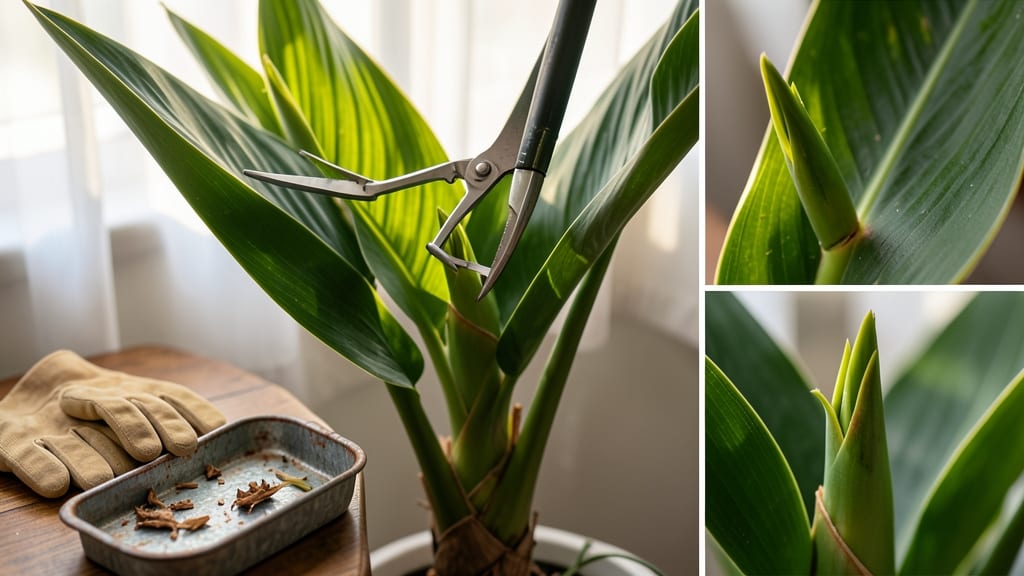
Pruning a bird of paradise plant isn’t just about cutting back—it’s about waking up its dramatic, tropical spirit after winter’s slumber. 🌿 The best time to prune is right after flowering or in late winter, when the plant’s energy shifts from blooms to new growth.
I’ve seen wilted foliage transform into lush, vibrant leaves within weeks when pruned correctly, and the secret lies in removing only what’s necessary without stripping the plant of its strength.
You’ll need sharp pruning shears (sterilized with rubbing alcohol), a clean cutting board, and a pair of gloves—bird of paradise leaves can be as sharp as they are striking.
Focus on cutting back any brown, crispy, or overly leggy stems to just above a healthy leaf node, and avoid over-pruning more than one-third of the plant at once. This keeps the plant balanced and prevents shock, which can leave it looking sadder than a rainy-day tropical vacation.
The payoff? A bird of paradise that looks like it’s posing for a magazine spread—thicker foliage, sturdier stems, and even more dramatic blooms next season. After pruning, give your plant a drink of water and place it in bright, indirect light to help it recover.
The key is patience; new growth can take a few weeks, but it’s worth it for that showstopping comeback.
This method works for both indoor plants and those in warmer climates where they thrive outdoors. Whether you’re dealing with a leggy houseplant or a garden center reject, these steps will bring it back to life. Just remember: less is more when it comes to pruning these tropical divas.
📚 In This Guide
- What you need
- Instructions
- Tips and common mistakes
- Wrapping up and next steps
What you need
- ● Clean, sharp pruning shears – Bypass pruners (4-6 inches) for precision cuts on stems and leaves.
- ● Disinfectant (rubbing alcohol or bleach solution) – 1 part bleach to 9 parts water to sterilize tools and prevent disease.
- ○ Gloves (optional but recommended) – Heavy-duty gardening gloves to protect hands from thorns or sap.
- ● Newspaper or drop cloth – To contain leaf debris and make cleanup easier.
- ● Compost bin or bag – For disposing of pruned foliage (avoid adding diseased parts to compost).
- ● Hand pruners or loppers – For thicker stems (if your Bird of Paradise is mature).
- ● Pruning saw – Only needed if dealing with very thick wood (rare for most varieties).
- ● Plant food or fertilizer – Balanced 10-10-10 or slow-release granular to give your plant a post-prune boost.
- ● Hose or spray bottle – To rinse tools and clean up sap after pruning.
Step-by-step instructions for pruning a bird of paradise plant
Reviving your bird of paradise plant starts with proper pruning—here’s how to do it safely and effectively.
✂️ Step 1: Identify and Remove Dead or Dying Foliage
Start by examining your plant for any leaves that are completely brown, crispy, or mushy—these are dead and need to go. I like to use clean, sharp pruning shears to make a clean cut about ½ inch above the base of the leaf stem. This prevents water from pooling and causing rot.
Don’t rush this step—take your time to spot hidden damage. Sometimes, leaves look wilted but are still alive. Gently press a suspect leaf—if it feels soft or hollow, it’s dead. If it’s firm, leave it be. You’ll know you’re doing it right when you’re left with only healthy, vibrant green leaves.
✂️ Step 2: Trim Overgrown or Leggy Growth
Bird of paradise plants can get leggy, especially if they’re not getting enough light. Look for long, bare stems with sparse foliage—these are prime candidates for pruning. Cut back the stem to just above a leaf node, where new growth can sprout. I usually trim back about ⅓ of the plant’s height to encourage bushier growth.
Here’s the thing—if you cut too much at once, the plant might struggle to recover. I’ve seen people overdo it and end up with a sad, bare stalk. Instead, focus on shaping the plant gradually. After pruning, step back and admire your work—you’ll notice how much more balanced the plant looks.
🌱 Step 3: Prune for Airflow and Light Penetration
Bird of paradise plants need good airflow to stay healthy, so don’t be afraid to thin out crowded areas. Look for branches that are rubbing against each other or blocking light from reaching the center of the plant. Snip these back to open up the plant’s structure. Aim for a shape that allows light to reach all parts of the foliage.
If your plant has long, straggly stems reaching outward, you can also prune them back to encourage new growth closer to the center. Just make sure to cut at a 45-degree angle just above a leaf node. This helps water run off the cut and reduces the risk of disease. You’ll see new shoots emerging within a few weeks—it’s like watching a slow-motion rebirth.
💧 Step 4: Clean Up and Care for Your Pruned Plant
After pruning, give your plant a good drink of water to help it recover. Water deeply until it drains out of the bottom of the pot, then let the top inch of soil dry out before watering again. Avoid getting water on the fresh cuts—this can lead to rot. Instead, water at the base of the plant.
Place your pruned bird of paradise in a bright, indirect light spot for a few weeks to help it adjust. Avoid direct sunlight right after pruning, as the fresh cuts are more sensitive. You’ll know it’s healing when new leaves start to unfurl—this is your reward for a job well done.
⏰ Step 5: Monitor and Encourage New Growth
Keep an eye on your plant over the next few weeks. If you notice any yellowing leaves, it might be a sign of overwatering or poor drainage. Adjust your watering habits accordingly—bird of paradise plants prefer to dry out slightly between waterings. You’ll see new growth emerging from the leaf nodes where you made your cuts.
This is the moment that matters: patience. New leaves can take a few weeks to appear, but once they do, your plant will look rejuvenated. I always make a note of when I prune so I can track progress. If you’ve followed these steps, you’ll have a healthier, fuller bird of paradise plant in no time.
Tips & tricks for pruning a bird of paradise plant
Here's what nobody tells you about making your bird of paradise plant thrive after pruning—these little details make all the difference.
Tool Selection: Never use dull scissors or garden shears on your bird of paradise. The clean cuts from sharp, clean pruning shears heal faster and reduce the risk of disease. I keep a dedicated pair just for my tropical plants—sterilize them with rubbing alcohol between uses to prevent any potential infections.
Timing Secret: The best time to prune is in early spring when the plant is entering its active growth phase. This gives it plenty of time to recover and produce new leaves before winter dormancy. If you must prune in other seasons, avoid heavy pruning during the plant's flowering period—those blooms are energy-intensive, and removing too much foliage can stress the plant.
Visual Cue for Pruning: When trimming leggy growth in Step 2, look for the point where the stem starts to thin out and leaves become sparse. This is your natural stopping point—cutting just above a leaf node here ensures new growth will sprout from that exact location. Think of it like creating little growth buds along the stem rather than just hacking it back randomly.
Pro Tips for How Do You Prune A Bird Of Paradise Plant
- Here's what nobody tells you about making your bird of paradise plant thrive after pruning—these little details make all the difference.
- Tool Selection: Never use dull scissors or garden shears on your bird of paradise.
- Timing Secret: The best time to prune is in early spring when the plant is entering its active growth phase.
Frequently asked questions
about pruning your Bird of Paradise plant—because even tropical beauties need a little TLC! Here’s what you’ve been wondering:When is the best time to prune a Bird of Paradise?
Prune your plant in late winter or early spring (before new growth starts) or after flowering (late summer/fall). Avoid heavy pruning in fall—it can stress the plant before dormancy. Pro tip: If you spot dead or yellowing leaves year-round, trim them anytime!
How much can I cut back my Bird of Paradise?
You can safely remove up to 1/3 of the plant’s height in one go, but avoid drastic cuts. Focus on dead, damaged, or overcrowded stems—this encourages bushier growth. Warning: Never cut more than 50% of the foliage at once, or you risk shocking the plant.
Will pruning make my Bird of Paradise bloom more?
Pruning doesn’t directly trigger blooms, but removing old or leggy stems can redirect energy to new growth—including flowers! For best results, prune after flowering (when stalks turn brown) and fertilize lightly. Bonus: Bright, indirect light also boosts bloom potential!
What if my Bird of Paradise looks sad after pruning?
Don’t panic! Yellowing leaves or wilting are normal for 2–4 weeks post-prune. Revive it by:
- Reducing water until soil dries 1–2 inches deep.
- Placing it in bright, indirect light (no harsh sun).
- Avoiding fertilizer for 4–6 weeks.
Can I propagate my Bird of Paradise from pruned cuttings?
Stem cuttings (3–4 inches long) with nodes
can root in water or moist perlite. Place in warm, humid conditions and keep soil lightly damp. Success tip: Use a clear container to monitor root growth—roots appear in 4–8 weeks!
Wrapping up and next steps
Pruning your Bird of Paradise plant is all about timing, technique, and care—and now you’ve got the know-how! 🌿 With the right tools, a little patience, and these expert tips, you’ll keep your plant thriving while encouraging lush, vibrant growth.
Remember, less is more—avoid over-pruning, and always sanitize your tools to prevent stress.
Ready to see your plant bloom with new life? Start by scheduling your next pruning session during the spring growing season and monitor your plant’s response. Happy gardening—your tropical beauty will thank you! 🌸