
Pruning
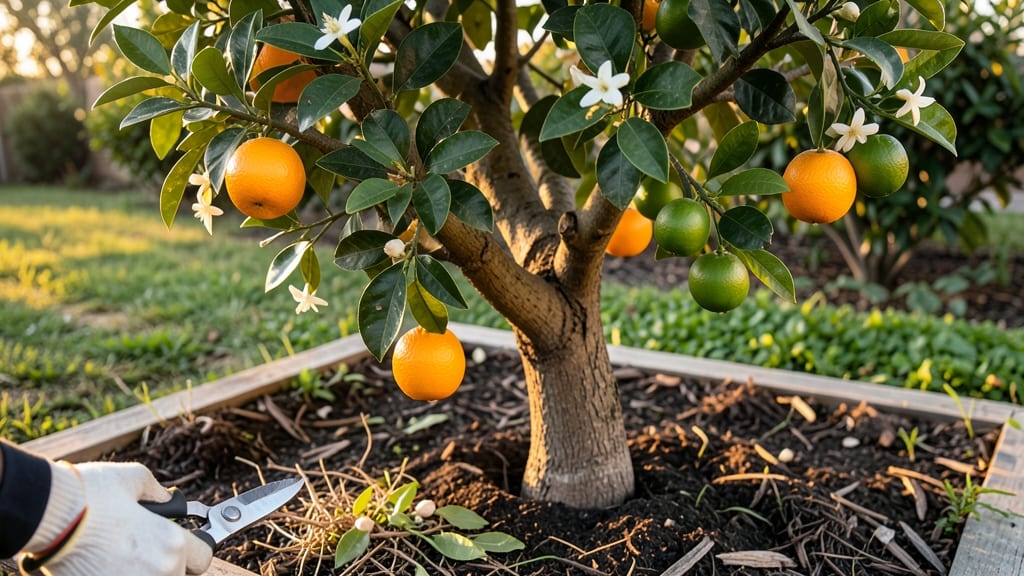
Pruning an orange tree isn’t just about shaping—it’s about unlocking more fruit, stronger growth, and fewer pests every season. 🌿 I’ve spent years watching my citrus trees transform from scraggly to lush after just a few strategic cuts, and the secret lies in knowing when and how to prune, not just that you should.
The best time to prune depends on your climate, but late winter or early spring (just before new growth starts) is ideal for most citrus trees.
You’ll focus on three key tasks: removing dead or diseased branches, thinning out crowded growth to improve airflow, and shaping the tree to encourage sunlight penetration. A sharp pair of pruners and a little patience are all you need—no fancy tools required.
After pruning, your tree will reward you with thicker branches, brighter green leaves, and a heavier fruit load by summer. The cuts themselves heal quickly, and the tree’s energy shifts from maintenance to producing the sweet oranges you’re growing it for.
Just avoid heavy pruning in hot months—citrus trees handle stress poorly when temperatures climb. This method works for both dwarf and standard orange trees, whether you’re growing in containers or in the ground. The key is consistency: a little attention now means years of easier harvesting and healthier trees.
Let’s get those branches trimmed!
📚 In This Guide
- What you need
- Instructions
- Tips and common mistakes
- Wrapping up and next steps
What you need
- ● Pruning shears: Bypass pruners (sharp, clean, and sterilized with rubbing alcohol to prevent disease). Size: 6-8 inches for medium branches.
- ● Loppers: For thicker branches (½–1½ inches in diameter). Look for: Long handles (24–30 inches) for reach.
- ● Hand saw: Curved-tooth pruning saw for branches >1½ inches thick. Tip: Oil the blade to prevent rust.
- ● Gloves: Heavy-duty gardening gloves (cut-resistant, like those rated for thorns).
- ● Disinfectant: 70% isopropyl alcohol or a 10% bleach solution (1 part bleach to 9 parts water) to clean tools between cuts.
- ● Rag or paper towels: For wiping tools and branches (prevents sap buildup).
- ○ Pruning sealant (optional): Tree wound sealant (like Tanglefoot) for cuts >½ inch in diameter.
- ● Ladder or step stool: For tall trees (ensure it’s stable and rated for your weight).
- ● Safety goggles: Protects eyes from debris (especially if the tree is overgrown).
- ● Trash bag or bucket: For collecting pruned branches and leaves (compost or dispose of diseased material).
- ● Sharpie or marker: To label branches if you’re doing strategic pruning (e.g., marking fruit-bearing limbs).
- ● Weather check: Prune on a dry, cloudy day (avoid rain for 24 hours before/after to prevent fungal growth).
- ● Know your tree’s age and variety (e.g., Valencia vs. Navel oranges have different pruning needs).
- ● Identify dead, diseased, or crossing branches (prioritize removing these first).
- ● Check for fruit load—if the tree is heavy with oranges, prune lightly to avoid stressing it.
Step-by-Step guide to pruning your orange tree for health and fruit
Pruning isn’t just about shaping—it’s the secret to more fruit and stronger growth. Here’s how I do it year-round for trees that thrive.
✂️ Step 1: Prune for Airflow and Light in Late Winter
Start your pruning in late winter (just before buds swell) when the tree is dormant. This is when you remove dead, diseased, or crossing branches—they’re easy to spot now. I always start with the 3-D method: cut branches that are diseased, dead, or damaged first, then move to those that are dormant or crossing to open up the canopy.
Use clean, sharp pruners to make cuts just outside the branch collar (the swollen area where the branch meets the trunk). This prevents tearing and helps the tree heal faster. If you’re unsure which branches to remove, look for suckers (shoots growing from the base or trunk) or water sprouts (fast-growing vertical shoots)—these steal energy from fruit production.
☀️ Step 2: Thin Out Branches in Early Spring for Better Fruit
Once new growth appears in early spring, focus on thinning—this means removing some branches entirely to improve airflow and sunlight penetration. I aim to keep the strongest, most productive branches while removing those that rub against each other or grow inward. A good rule of thumb: never remove more than 25% of the canopy in one season, or you’ll stress the tree.
Look for branches with fruit spurs (small, stubby branches where fruit forms) and prioritize keeping those. If a branch is too crowded, cut it back to a bud or lateral branch—this encourages new growth in the right direction. Avoid cutting into the trunk or large limbs unless absolutely necessary, as this can harm the tree’s structure.
🌿 Step 3: Light Maintenance Pruning After Harvest
After the fruit harvest (usually late summer or early fall), do a light maintenance prune to remove any shoots that grew too fast or branches that look weak. This keeps the tree from getting overgrown and ensures energy goes toward next year’s fruit. I also check for sucker growth at the base and trim those back immediately—they drain nutrients from the main tree.
If your tree has fruit that didn’t develop properly, it might need a little extra pruning to redirect energy. Cut back any overly vigorous shoots to encourage the tree to focus on flowering branches next season. Avoid heavy pruning now, though—you don’t want to stimulate new growth that won’t harden off before winter.
⏰ Step 4: Winter Pruning for Shape and Safety
In late fall or early winter, do a final pruning to shape the tree and remove any weak or diseased wood. This is also the time to thin out the outer canopy slightly to prevent snow or wind damage. I like to step back and look at the tree from all sides—if one side looks too dense, that’s where I’ll make cuts to balance it out.
Pay special attention to low-hanging branches that could break under heavy fruit or snow. Cut these back to a strong lateral branch or bud. Avoid pruning too close to winter’s end, though—you want the tree to harden off before cold weather sets in. If you live in a cold climate, wait until after the last frost to do any major shaping.
Tips & tricks for pruning your orange tree
Real talk: Pruning might seem intimidating, but these tricks will help you avoid common mistakes and keep your tree thriving year after year.
Timing is Everything: That late winter timing in Step 1 isn't just arbitrary—it's when your tree is dormant and less vulnerable to disease. I've seen pruning done in summer lead to fungal issues because the wounds take longer to heal. If you miss late winter, early spring is your next best window, but avoid pruning when buds are swelling or blooming. The tree needs all its energy for fruit production, not healing cuts.
The 25% Rule: In Step 2, when thinning branches, remember that 25% maximum is a hard limit—not a suggestion. I learned this the hard way after removing too much canopy in one season and watching my tree struggle to recover. Think of it like haircuts: you wouldn't shave your head bald in one go, right? Spread out your cuts over multiple seasons if needed, especially for mature trees.
Branch Collar Matters: That swollen area where branches meet the trunk (the branch collar) is your guidepost. Cutting too close to it in Step 1 creates wounds that heal poorly and invite disease. I use a simple trick: make your cut just outside where the branch collar begins—about 1/4 inch away. This tiny detail makes all the difference in how quickly your tree recovers.
Seasonal Checklist: Create a simple seasonal checklist based on these steps. In late winter, mark "remove dead/diseased branches"; in early spring, note "thin crowded areas"; after harvest, write "trim vigorous shoots." I keep mine on my fridge door with my gardening tools—it's amazing how much more confident I feel when I have this visual reminder of what to do each season. This prevents that "I forgot what to do now" panic that hits gardeners every year.
Pro Tips for How Do You Prune An Orange Tree
- Real talk: Pruning might seem intimidating, but these tricks will help you avoid common mistakes and keep your tree t...
- Timing is Everything: That late winter timing in Step 1 isn't just arbitrary—it's when your tree is dormant and less ...
- The 25% Rule: In Step 2, when thinning branches, remember that 25% maximum is a hard limit—not a suggestion. I learne...
Frequently asked questions
Got questions about pruning your orange tree? You’re not alone!
Here are the most common concerns—plus expert answers to keep your citrus thriving.
When is the best time to prune an orange tree?
Prune late winter or early spring (just before buds swell) for best results. Avoid heavy pruning in summer or fall, as it can stress the tree. Light shaping can happen year-round, but major cuts should wait for dormancy.
How much can I trim off without harming the tree?
Remove no more than 20-25% of the canopy in one session. Over-pruning weakens growth and reduces fruit production. Focus on dead/diseased branches first, then shape for airflow. Think "less is more" for long-term health!
Will pruning reduce my orange harvest?
Not if done right! Pruning improves fruit quality by directing energy to fewer, larger oranges. Remove crowded branches and suckers (shoots from the trunk) to boost yield. Patience pays off—healthy trees bear better over time.
What if my orange tree doesn’t have many branches to prune?
Young trees or leggy growth need encouragement, not just cuts. Trim back the tips of new shoots to promote bushier growth. For bare branches, check for pests/disease first—sometimes the issue is hidden!
Can I prune an orange tree in hot/dry climates?
Yes, but water deeply before and after pruning to reduce stress. Avoid heavy cuts in peak summer heat. Early morning or late afternoon pruning minimizes shock. Mulch around the base to retain moisture. Hydration is key!
What do I do if my tree bleeds sap after pruning?
Sap oozing is normal but can attract pests. Seal cuts with pruning sealant (optional for citrus) or let them air-dry. Avoid over-sealing—citrus trees heal quickly in warm climates. Monitor for fungus if sap pools.
Wrapping up and next steps
Pruning your orange tree isn’t just about keeping it tidy—it’s the secret to healthier growth, bigger fruit, and a stunning shape! 🌿 With the right tools, timing, and technique, you’ll unlock its full potential. Start small, observe your tree’s response, and adjust as you go.
Ready to take the next step? Grab your pruners, mark your calendar for next season’s pruning dates, and enjoy the sweet rewards of your hard work! 🍊✨