
How To
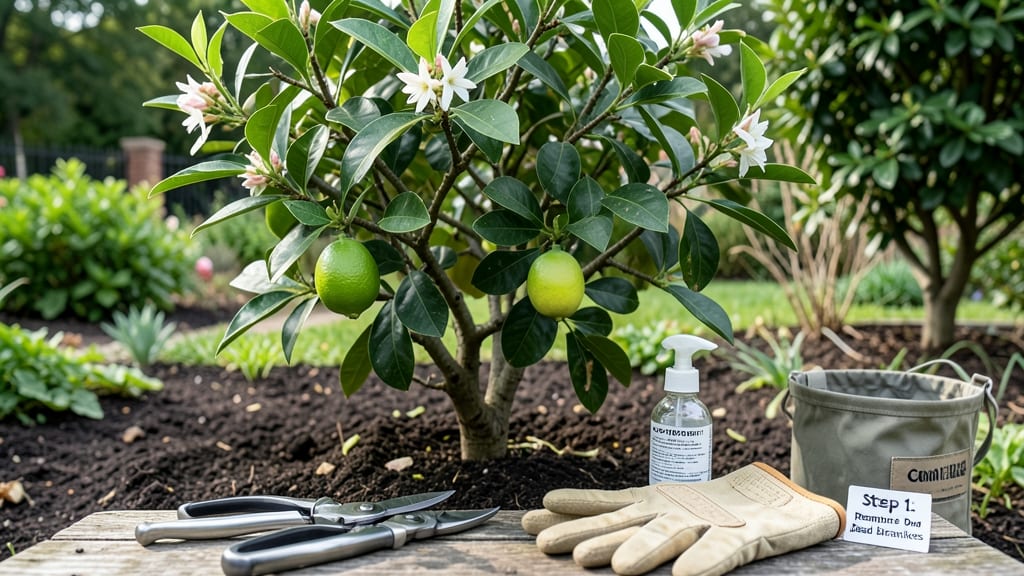
Pruning a lime tree isn't just about shaping—it’s the secret to double the fruit next season. 🌿 I’ve pruned my Meyer lime for five years, and the difference between a neglected tree and one with proper cuts is night and day: more branches heavy with fruit, fewer pests, and a shape that actually fits my tiny backyard.
Start in late winter or early spring when the tree’s dormant, using sharp pruners and gloves (those thorns are no joke). Cut back dead wood first, then thin out crowded branches to let sunlight reach the center—this is where the magic happens for fruit production.
For dwarf varieties, keep it even more compact, while standard trees can handle a little more aggressive shaping. Just remember: never remove more than 25% of the canopy at once, or you’ll shock the tree.
The payoff comes in summer when your tree is bursting with fruit instead of sparse, leggy branches. Prune lightly after harvest to maintain shape, and avoid heavy cuts in fall—it stresses the tree before winter.
With each season, you’ll see thicker branches, more blossoms, and a tree that actually fits your space without looking like a tangled mess.
📚 In This Guide
- What you need
- Instructions
- Tips and common mistakes
- Wrapping up and next steps
What you need
- ● Pruning shears – Bypass pruners (for small branches, ¼"–¾" diameter) or anvil pruners (for thicker branches, up to 1½" diameter). Choose sharp, stainless steel blades to avoid crushing stems.
- ● Lopping shears – For branches 1½"–3" in diameter (extendable handles help with reach!).
- ● Pruning saw – A curved-tooth handsaw for branches 3" or larger (avoid cheap saws—they can tear wood).
- ● Disinfectant (70% isopropyl alcohol or bleach solution) – Wipe tools before and after pruning to prevent disease spread.
- ● Gloves – Heavy-duty gardening gloves (thorn-resistant if your lime tree has spines).
- ● Rubbing alcohol or hydrogen peroxide – For cleaning tools and disinfecting cuts on the tree.
- ○ Pruning sealant (optional but helpful) – A tree wound dressing (like Tanglefoot Tree Wound Pruning Seal) to coat large cuts and prevent disease.
- ● Ladder or step stool – If your tree is taller than 6 feet (prioritize safety—never stand on wobbly surfaces!).
- ● Bucket or trash bag – For collecting pruned branches and debris.
- ● Sharpie or marker – To label cuts if you're training the tree for specific shapes.
- ● Pole pruner – For high branches (extends reach up to 10–12 feet).
- ● Extension pole saw – Attaches to a pole for hard-to-reach branches.
- ● Safety glasses – Protects your eyes from debris (especially when using a saw!).
- ● Tree tie or zip ties – To secure branches if you're training the tree for a specific shape.
- ● Compost bin or mulch – To recycle pruned branches into nutrient-rich compost.
Step-by-step guide to pruning a lime tree
Here's how I prune my lime tree to keep it healthy, productive, and beautifully shaped all year.
✂️ Step 1: Prune for Shape and Airflow in Late Winter
Start your pruning in late winter—just before new growth begins—when the tree is still dormant. This is the best time to shape your lime tree because it allows the wounds to heal before the growing season. Use clean, sharp pruning shears to make cuts at a 45-degree angle, about ¼ inch above an outward-facing bud. This ensures new growth will angle outward, improving airflow and sunlight penetration.
Focus on removing any dead, diseased, or crossing branches first. These compete with healthy growth and can harbor pests. I also look for suckers—those small, vigorous shoots growing from the base or trunk—and remove them completely. These saplings drain energy from your main tree. Keep your cuts just outside the branch collar (the swollen area where the branch meets the trunk) to prevent damage to the tree's healing tissues.
✂️ Step 2: Thin Out Interior Branches in Early Spring
Once new growth appears in early spring, shift your focus to thinning out the interior of the tree. Lime trees need good airflow to prevent fungal diseases like citrus blight. Remove any branches that grow inward or rub against each other—these are prime spots for infection. You’ll know you’re doing well when you can see light filtering through the canopy without too many bare spots.
I like to keep the tree’s natural shape by pruning branches that grow too close together. If two branches are competing for sunlight, remove the weaker one. Look for branches that are thinner, less vigorous, or growing in the wrong direction. Prune back to a bud or side branch, and avoid leaving stubs—this prevents decay and encourages healthy regrowth. A well-thinned tree will produce more fruit and fewer pests.
☀️ Step 3: Lighten the Canopy in Summer for Fruit Production
During summer, when the tree is in full bloom or already bearing fruit, focus on lightening the canopy. Too much shade inside the tree reduces fruit production and increases humidity, which attracts pests. Remove any overly dense branches that block sunlight from reaching the inner fruit. Aim to keep the tree open and airy, with sunlight able to penetrate at least halfway to the center.
This is also the time to prune back any water sprouts—those fast-growing, vertical shoots that pop up after heavy pruning. While they might look vigorous, they’re energy vampires, stealing nutrients from your fruit. Cut them back to a lateral branch or bud. If you’re seeing excessive leaf drop or small, sparse fruit, your tree might need more sunlight—this is your cue to open up the canopy further. Just avoid heavy pruning in summer, as it can stress the tree.
⏰ Step 4: Clean Up and Prevent Disease in Fall
In fall, after the harvest season, do a final cleanup to remove any dead leaves, fruit mummies, or diseased branches. These can harbor pests and diseases over winter. Sterilize your pruning tools with rubbing alcohol between cuts to prevent spreading any pathogens. Collect and dispose of all debris—don’t compost it, as it can reintroduce diseases to your garden.
This is also the time to check for any weak or damaged branches that might have been missed earlier. Prune them out now to give the tree a strong start in spring. If your lime tree is in a cooler climate, you might notice new growth slowing down—this is normal. Just avoid heavy pruning in fall, as the tree needs to harden off for winter. A light trim to remove only the most problematic branches is enough. Mulch around the base to protect roots from temperature swings.
Tips & tricks for pruning a lime tree
These simple tricks will help you keep your lime tree healthy, productive, and looking its best year after year.
Timing is Everything: Late winter pruning (just before buds swell) is non-negotiable for citrus trees. If you miss this window, wait until early spring when new growth appears—but never prune in fall after harvest. The tree needs time to heal before winter's chill sets in. I've seen trees stressed by late-season cuts develop weak spots that never recover.
Cutting Technique Matters: Always make clean cuts at a 45-degree angle just outside the branch collar. This little detail prevents water from pooling at the wound, which can lead to rot or fungal infections. I learned this the hard way after seeing a cut I made in summer develop a nasty infection—now I double-check every cut with my trusty pruning shears.
Seasonal Focus: Summer pruning should be minimal and strategic. Instead of heavy cuts, focus on lightening the canopy by removing just the most dense branches. This prevents stress while still improving fruit production. I usually limit summer pruning to water sprouts and branches blocking sunlight—never more than 10% of the tree's foliage at once.
Tool Maintenance: Sterilize your pruning tools between cuts using rubbing alcohol. This simple step prevents spreading diseases from infected branches to healthy parts of your tree. I keep a small bottle of alcohol in my gardening toolkit and wipe down shears after every 3-4 cuts, especially when dealing with diseased branches.
Pro Tips for Prune A Lime Tree
- These simple tricks will help you keep your lime tree healthy, productive, and looking its best year after year.
- Timing is Everything: Late winter pruning (just before buds swell) is non-negotiable for citrus trees. If you miss th...
- Cutting Technique Matters: Always make clean cuts at a 45-degree angle just outside the branch collar. This little de...
Frequently asked questions
Got questions about pruning your lime tree? You’re not alone! Here are some of the most common concerns—plus straightforward answers to keep your tree thriving.
When is the best time to prune a lime tree?
Prune your lime tree in late winter or early spring (just before new growth starts) for the best results. Light trimming can also happen in summer after harvest to shape the tree. Avoid heavy pruning in fall—it can stress the tree before winter.
How much can I prune without hurting the tree?
Never remove more than 25% of the tree’s foliage in one session. Over-pruning weakens the tree, reduces fruit production, and invites pests. Focus on selective cuts to open the canopy and improve airflow. Think "less is more" for long-term health!
What if my lime tree isn’t fruiting after pruning?
Lime trees need sunlight, water, and balanced nutrients to fruit. If pruning didn’t help, check for:
Light pruning alone won’t fix these—adjust care habits instead.
Can I prune a lime tree in a pot or container?
Yes! Container-grown lime trees need regular pruning to control size and encourage branching. Use the same techniques as outdoor trees, but:
- Prune more aggressively if roots are circling (root-prune too)
- Repot every 2–3 years for fresh soil
- Avoid heavy pruning in winter (potted trees are more vulnerable to cold)
What should I do with the pruned branches?
Don’t toss those clippings! Here’s what to do:
- Compost them (lime tree branches break down well)
- Use as mulch around the base (keep 2–3 inches away from the trunk)
- Dispose of diseased branches in the trash (not compost)
- Make citrus-scented potpourri (dry leaves in a warm, dark place)
Wrapping up and next steps
Pruning your lime tree doesn’t have to be intimidating—with the right tools, timing, and techniques, you’ll encourage healthier growth, more fruit, and a beautiful shape! 🌿 Whether you’re trimming for shape, airflow, or harvest, remember to cut with confidence and prioritize plant health at every step.
Now that you’re armed with year-round tricks, grab those pruners and get ready to watch your lime tree thrive!
Ready to take the next step? Monitor your tree’s progress after pruning and adjust as needed—your future lime harvest (and delicious key lime pie!) will thank you. 🍋✨