
Pruning
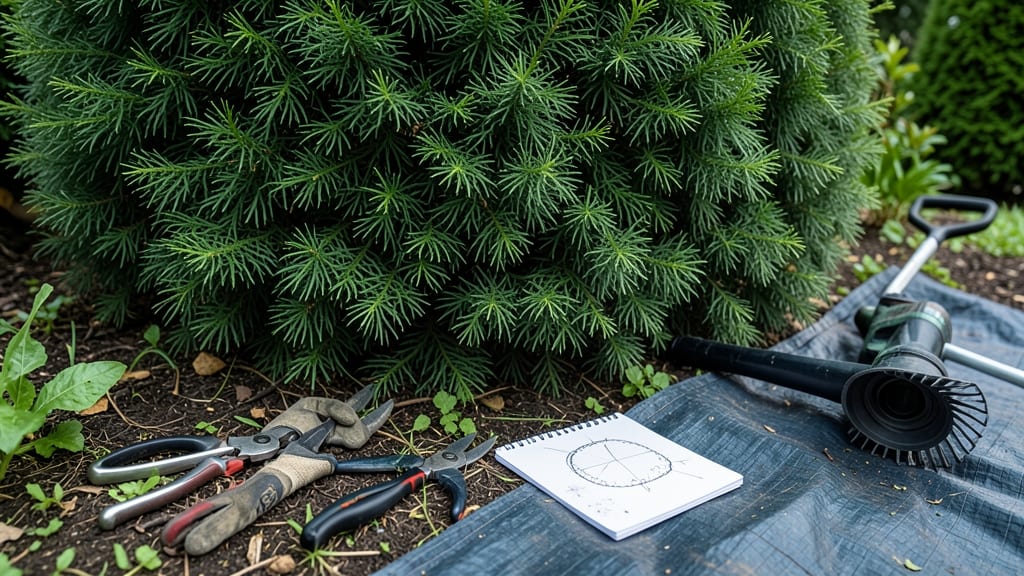
Pruning a yew bush transforms it from scraggly to showstopping. ✂️ The difference between a dense, healthy hedge and a lanky mess comes down to timing, technique, and knowing when to stop.
I’ve pruned yews for over a decade, and these tricks keep mine looking like a professional landscaper’s work—not my weekend gardening. Start with clean, sharp tools: bypass pruners for small branches and loppers for thicker stems.
The best time to prune is late winter or early spring, just as new growth begins. Cut just above a leaf or bud, never at a bare stem, to encourage dense, even regrowth. Yews handle pruning well, but overdoing it stresses the plant.
You’ll end up with a bush that’s fuller at the bottom, with vibrant green foliage all the way to the ground. The key is gradual shaping—never remove more than one-third of the plant’s volume in a single session.
Aftercare is simple: water deeply if the weather’s dry, and avoid heavy pruning in summer. Works for both formal hedges and natural shapes. Here’s how to do it right the first time—no guesswork, just results.
📚 In This Guide
- What you need
- Instructions
- Tips and common mistakes
- Wrapping up and next steps
What you need
- ● Pro tip: 💡 Always sharpen your tools before starting! Dull blades tear branches, stressing the plant and inviting disease. A quick file or sharpening stone works wonders.
Step-by-Step instructions for pruning a yew bush
Here's the method I've used for years to keep yew bushes lush and healthy—no guesswork, just clear steps.
✂️ Step 1: Gather Tools and Inspect the Bush
Start with clean, sharp pruning shears—dull blades tear tissue and invite disease. I also grab my bypass pruners for thicker branches and a small rake to clear debris. Yews grow year-round, so timing matters less than technique.
Walk around the bush first. Look for dead, crossing, or overcrowded branches—these are your priority cuts. Healthy yews have dense, dark green foliage with new growth at the tips. If you spot yellowing or sparse areas, those branches need attention too.
✂️ Step 2: Remove Dead or Damaged Branches First
Cut out any dead, diseased, or broken branches completely at their base. Yews handle pruning well, but removing deadwood prevents pests and disease from spreading. Make clean cuts just outside the branch collar—the swollen area where the branch meets the stem.
Here's the thing—don't leave stubs. Cutting flush with the trunk can damage the plant, but leaving a small stub can rot over time. Aim for a smooth cut that leaves no more than a tiny bump.
✂️ Step 3: Thin Out the Interior for Airflow
Yews grow densely, so thinning the interior is key. Focus on branches growing inward or crossing others. I like to step back every few cuts to visualize the shape. Remove about one-third of the oldest branches to encourage new growth.
Watch for leggy branches reaching skyward—these steal energy from the bush. Cut them back to a side branch or bud. You'll see the bush fill in faster once you open up the center. Just don’t overdo it—you want to maintain that classic yew shape.
✂️ Step 4: Shape the Outer Canopy
Now for the fun part—shaping. Yews respond well to light shaping, so I trim just the tips of branches to encourage bushier growth. Cut just above a set of leaves or a bud facing outward. Avoid cutting into old wood—new growth comes from the tips.
If your yew has grown too tall, you can lightly prune the top to encourage a fuller, more compact shape. Never remove more than one-third of the bush’s height in a single year. You'll know you're doing it right when the bush looks fuller within a few weeks.
💧 Step 5: Clean Up and Monitor Aftercare
Rake up all clippings to prevent disease and pests. Yews don’t need special aftercare, but water deeply if the soil feels dry to the touch. A light layer of mulch helps retain moisture and keeps roots cool.
I check my pruned yews every few weeks for new growth. If you see yellowing leaves, it’s often a sign of overwatering or poor drainage. Adjust your care and watch the bush bounce back within a season.
Tips & tricks for pruning a yew bush
Here's what nobody tells you about keeping your yews thriving after pruning—these tricks make all the difference.
Tool Sharpness Matters: I learned this the hard way after ruining three batches of cuts with dull shears. Always test your blades on a scrap branch first—they should slice cleanly without tearing. For thicker branches, bypass pruners create smoother cuts that heal faster. A small file in your toolkit is worth its weight in gold for maintaining sharpness between uses.
Visualize Before You Cut: Step back every few minutes during Step 3 and Step 4 to see the shape taking form. I use the "three-point check" method: look at the bush from front, side, and above. This prevents over-pruning and helps maintain that classic yew silhouette. If you're unsure, snap a photo before you start—you'll thank yourself later.
Timing for Best Results: While yews tolerate pruning year-round, late winter to early spring (just before new growth starts) gives you the best results. The plant uses this energy to produce fresh, vibrant foliage. If you must prune in summer, do it in the morning when temperatures are cooler to reduce stress on the bush.
Aftercare is Key: After cleaning up, give your yew a good drink of water—especially if it's been dry. I like to add a 1-inch layer of mulch around the base (but not touching the trunk) to lock in moisture. This simple step can make the difference between a bush that bounces back and one that struggles for months.
Pro Tips for Prune A Yew Bush
- Here's what nobody tells you about keeping your yews thriving after pruning—these tricks make all the difference.
- Tool Sharpness Matters: I learned this the hard way after ruining three batches of cuts with dull shears. Always test...
- Visualize Before You Cut: Step back every few minutes during Step 3 and Step 4 to see the shape taking form. I use th...
Frequently asked questions
Got questions about pruning your yew bush? You’re not alone! Here are answers to the most common queries to help you prune like a pro—without stress or guesswork.
When is the best time to prune a yew bush?
Yew bushes are flexible, but late winter to early spring (just before new growth starts) is ideal for shaping. You can also do light pruning in summer to encourage density. Avoid heavy pruning in fall—it stresses the plant before winter.
How much can I prune a yew bush at once?
Never remove more than ⅓ of the bush’s foliage in a single session. Yews are tough, but over-pruning can weaken growth or invite pests. For mature bushes, spread pruning over 2–3 years if needed. Think “less is more”!
Why does my yew bush look sparse after pruning?
If your yew seems thin, you might’ve pruned too aggressively or cut into old wood (which won’t regrow). Focus on outer branches and avoid shearing into bare stems. For dense growth, prune just above a leaf cluster or bud. Patience is key—new growth takes time!
Can I shape a yew bush into a topiary?
Yews are perfect for topiary thanks to their dense, evergreen foliage. Start with a wire frame for support, then prune regularly (every 4–6 weeks in growing season) to maintain the shape. Use sharp shears for clean cuts—no “haircut” look!
Should I prune a yew bush in winter?
Light pruning in mild winter (if no frost) is fine, but avoid heavy cuts. Cold snaps can stress fresh cuts. Save major shaping for spring. If your yew has brown, dead branches, remove them anytime—they won’t regrow.
How often should I prune a young yew bush?
Young yews (under 3 years) need minimal pruning—just remove dead or crossing branches. Once established, prune once a year (spring) to encourage bushy growth. Over-pruning early can stunt development.
Wrapping up and next steps
Pruning your yew bush doesn’t have to be intimidating—with the right tools, timing, and technique, you’ll transform it into a lush, structured masterpiece. 🌿 Whether you’re shaping it for hedges, topiary, or natural growth, consistency is key.
Start small, observe your plant’s response, and soon you’ll enjoy a thriving, dense canopy that’s the envy of the neighborhood.
Ready to take the next step? Grab your pruners and schedule that first trim! For extra inspiration, explore design ideas for yew bushes or dive deeper into seasonal care tips. Your green thumb is about to shine brighter than ever!