
Pruning
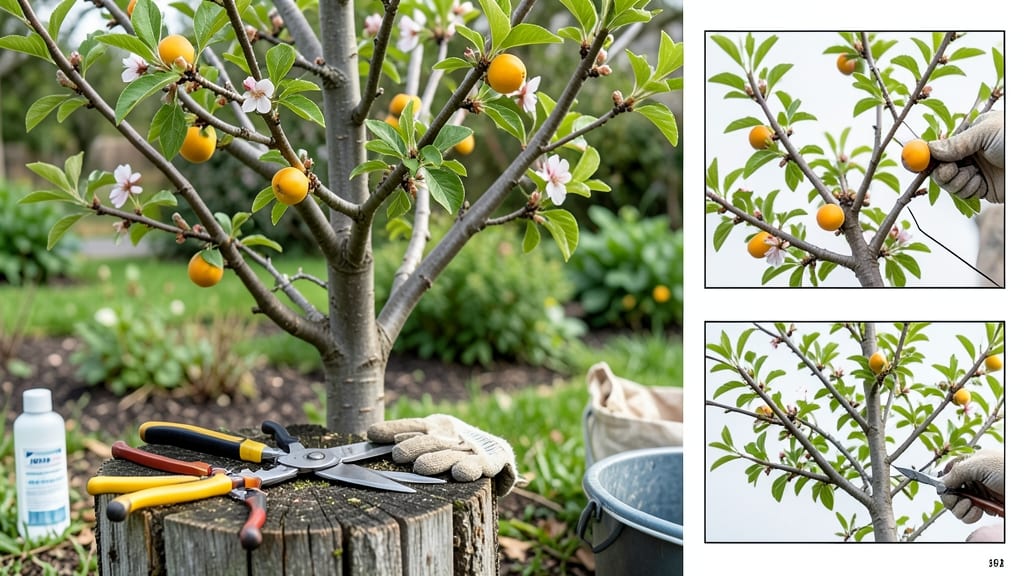
Pruning an apricot tree transforms a tangled mess into a fruit-bearing powerhouse. ✂️ I’ve watched my own tree go from a chaotic tangle of branches to a well-shaped producer—just by following a few key cuts at the right time.
The secret isn’t complicated: it’s about removing what doesn’t serve the tree while encouraging strong growth and fruit production.
You’ll need sharp pruning shears, a saw for thicker branches, and rubbing alcohol to sterilize tools between cuts. Timing matters too—late winter (just before buds swell) is ideal for major pruning, while summer thinning keeps the tree balanced.
My first attempt left too many branches, but I quickly learned that less aggressive cuts yield better results.
By the end, you’ll have a tree with open airflow (reducing disease risk), sunlight reaching all branches (boosting fruit set), and a shape that’s easier to harvest. The best part? You’ll see new growth within weeks, and next year’s harvest will be sweeter and more abundant than ever.
Works for both young trees and mature ones—just adjust the intensity. Here’s how to do it right without overdoing it.
📚 In This Guide
- What you need
- Instructions
- Tips and common mistakes
- Wrapping up and next steps
What you need
- ● Pruning shears (bypass pruners): Sharp, high-quality shears (e.g., Felco or Fiskars) for cuts up to ½-inch in diameter. Pro tip: 💡 Clean blades prevent disease spread!
- ● Loppers: For branches ¾-inch to 2 inches thick (e.g., Corona or Bahco). Look for bypass-style loppers for clean cuts.
- ● Pruning saw: For thicker branches (2+ inches). A bow saw or pruning saw with a fine-tooth blade works best.
- ● Gloves: Heavy-duty, cut-resistant gloves (e.g., Mechanix or garden gloves) to protect your hands.
- ● Ladder or step stool: If your tree is tall (6+ feet). Ensure it’s stable and non-slip.
- ● Disinfectant (70% isopropyl alcohol or bleach solution): 1 part bleach to 9 parts water to sterilize tools between cuts.
- ● Sealant (pruning paint or wound dressing): For large cuts (1+ inch) to reduce disease risk. Note: Only use if the tree is healthy—overuse can trap moisture.
- ● Tarp or drop cloth: To collect fallen branches and debris.
- ● Marking spray (white or pink): To tag branches for removal or special attention.
- ● Safety glasses: Protect your eyes from debris, especially when using a saw.
- ● First-aid kit: Just in case of minor cuts or scrapes.
- ● Check the weather forecast: Prune on a dry, calm day to avoid spreading disease or stressing the tree.
- ● Know your tree’s age and growth stage. Young trees (under 3 years) need lighter pruning than mature ones.
- ● Review your pruning goals: Are you shaping the tree, removing dead wood, or encouraging fruit production?
- ● Have a plan: Sketch a rough outline of cuts if needed—visualizing helps!
Step-by-Step guide to pruning an apricot tree
Here's the method I rely on to keep my apricot tree thriving and productive year after year.
✂️ Step 1: Prune in Late Winter for Structure
Start your work in late winter (just before buds swell) when the tree is dormant. This is the best time to shape the tree's structure and remove dead or crossing branches. I always begin by removing any branches that are dead, diseased, or broken—they won’t produce fruit and can spread problems to healthy wood.
Next, focus on thinning out branches that cross or rub against each other. These create wounds that invite pests and diseases. Make clean cuts just outside the branch collar (the swollen area where the branch meets the trunk) using sharp pruning shears or a pruning saw for thicker branches. Avoid leaving stubs—this prevents rot and encourages new growth in the right places.
🌿 Step 2: Encourage Airflow and Light in Early Spring
Once the tree starts showing signs of new growth (around March or April, depending on your climate), shift your focus to opening up the canopy. Apricot trees need good airflow to prevent fungal diseases like brown rot, which can devastate fruit. Remove any suckers (shoots growing from the base or roots) and water sprouts (fast-growing vertical shoots).
Look for branches that are growing inward or downward—they block sunlight and reduce fruit production. Cut these back to an outward-facing bud or side branch. You’ll know you’re doing it right when the tree’s center looks open and light can reach the inner branches. This step is all about balance—never remove more than 25% of the tree’s foliage in one season, or you’ll stress it.
☀️ Step 3: Light Summer Pruning for Fruit Quality
After the tree flowers but before the fruit sets, do a light pruning to improve fruit size and quality. Remove any shoots growing from the trunk or scaffold branches—these compete with the main structure for energy. Also, trim back any branches that are growing too densely, as this can lead to small, poor-quality fruit.
Watch for suckers that pop up after flowering and remove them immediately. These little thieves drain energy from the tree. If you notice any branches with dieback (dead tips on otherwise healthy branches), cut back to the last healthy bud. This encourages new growth and keeps the tree productive. Avoid heavy pruning in summer—it stresses the tree and makes it vulnerable to pests.
⏰ Step 4: Post-Harvest Cleanup in Fall
Once you’ve harvested your apricots (usually late summer to early fall), it’s time for a final pruning session. Remove any fruit-bearing branches that are weak, diseased, or overcrowded. These branches have already given their energy to fruit production and won’t contribute much next year. Cut them back to a strong lateral branch or bud.
This is also the time to sterilize your tools with rubbing alcohol or a bleach solution (1 part bleach to 9 parts water) to prevent spreading diseases between cuts. As you prune, keep an eye out for cankers (sunken, dead areas on the bark) and remove them completely. Seal larger wounds with pruning sealant to protect the tree from infections over winter.
🌱 Step 5: Winter Maintenance for Long-Term Health
During the dormant season (December to February), do a quick check for any winter damage or new suckers that might have appeared. Remove any branches that were damaged by frost or heavy snow. If you notice dead wood that you missed earlier, trim it out now—it’s easier to spot without leaves in the way.
This is also the time to plan your cuts for next year. Sketch a rough outline of your tree’s structure and mark branches that need attention. Apricot trees respond well to gradual pruning—never try to fix everything at once. A little care each season keeps the tree strong, healthy, and loaded with fruit for years to come.
Tips & tricks for pruning an apricot tree
A few well-timed tricks can make all the difference in keeping your apricot tree productive and healthy for decades. Here's what I've learned from years of pruning my own orchard.
Timing is Everything: The late winter timing in Step 1 is crucial because the tree is fully dormant, which means it won't bleed sap from cuts. This reduces stress and prevents disease entry points. If you're in a warmer climate where buds swell earlier, aim to prune at least 2-3 weeks before you see any signs of new growth. I've seen trees in Southern California need pruning as early as January to avoid disturbing emerging buds.
The 25% Rule: In Step 2, when opening up the canopy, remember that 25% is your absolute maximum for any single pruning session. This rule prevents over-stressing the tree, which can lead to reduced fruit production or even tree death. If you're tempted to remove more to "fix" everything at once, resist! I once removed 35% of my tree's foliage in one go, and it took three years to recover its fruit production.
Tool Sharpness Matters: Using sharp pruning shears and saws (as mentioned in Step 1) isn't just about clean cuts—it's about tree health. Dull tools crush branches, creating larger wounds that take longer to heal and are more susceptible to disease. I keep a small file in my pruning kit to maintain sharpness between uses. For larger branches, a pruning saw with a fine-tooth blade gives you more control and cleaner cuts.
Winter Planning Pays Off: Take advantage of the dormant season planning in Step 5. I always sketch my tree's structure on graph paper, marking branches to remove and those to keep. This visual plan helps me stay organized and ensures I don't miss any problem areas. You can even take photos of your tree from different angles to create a 3D mental map of where everything is located.
Pro Tips for Prune An Apricot Tree
- A few well-timed tricks can make all the difference in keeping your apricot tree productive and healthy for decades. ...
- Timing is Everything: The late winter timing in Step 1 is crucial because the tree is fully dormant, which means it w...
- The 25% Rule: In Step 2, when opening up the canopy, remember that 25% is your absolute maximum for any single prunin...
Frequently asked questions
Got questions about pruning your apricot tree? You’re not alone! Here are some of the most common concerns—plus clear, actionable answers to keep your tree thriving.
When is the best time to prune an apricot tree?
Prune your apricot tree in late winter or early spring (before buds swell) for best results. Avoid heavy pruning in fall, as it can encourage new growth that’s vulnerable to frost. Light shaping in summer (after harvest) is fine, but keep it minimal to avoid stressing the tree.
Can I prune an apricot tree in summer?
Yes, but only lightly—focus on removing water sprouts or dead branches. Heavy summer pruning can stress the tree, reduce fruit quality, and increase susceptibility to pests. If you must prune, do so in early summer (June) and avoid cutting more than 10% of the canopy.
What if I prune at the wrong time?
Mistakes happen! If you prune too late (after buds break), you risk bleeding sap or encouraging late-season growth that won’t harden off before winter. If you’ve already pruned incorrectly, don’t panic—just avoid heavy cuts next year and focus on proper timing. The tree will recover with patience.
Will pruning reduce my apricot harvest?
Not if done right! Pruning improves fruit quality by increasing airflow and sunlight exposure. However, over-pruning (cutting more than 20-25% of the canopy in one year) can temporarily reduce yield. Aim for 3-5 years of gradual pruning to build a strong, productive tree.
How do I know if I’ve pruned too much?
Watch for these signs:
- Stunted growth or no new shoots by spring.
- Fewer flowers the following year.
- Yellowing leaves or wilting (signs of stress).
Wrapping up and next steps
Pruning your apricot tree doesn’t have to be intimidating—just follow the right steps, and you’ll reward yourself with healthier growth, better fruit production, and fewer pests. Whether you’re shaping young branches or maintaining an established tree, consistency is key!
Now that you’re armed with the know-how, grab your pruners and get ready to transform your orchard—one strategic cut at a time.
🌱 Next step: Mark your calendar for your first pruning session and watch your apricot tree thrive! 🌞