
Pruning
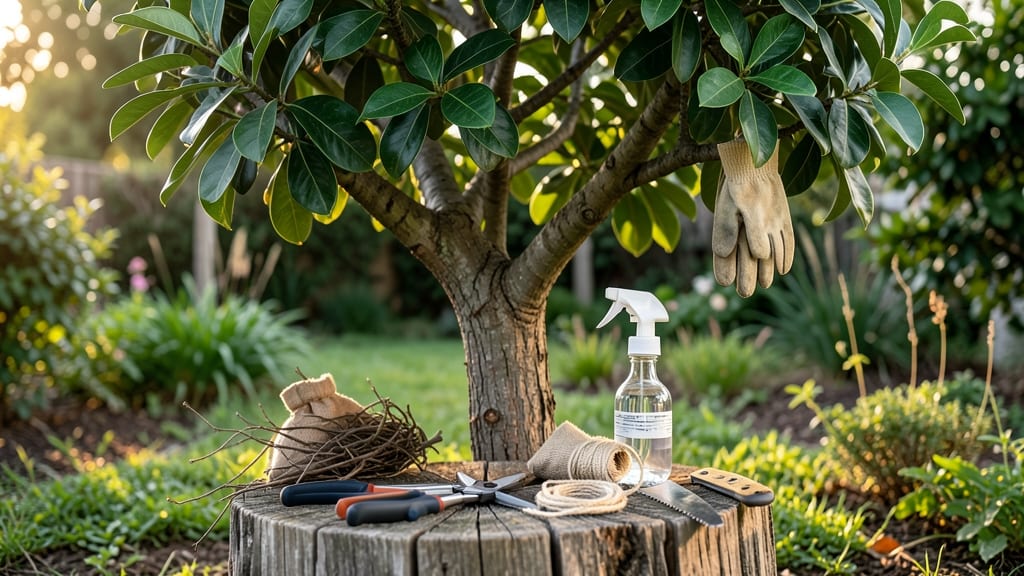
Pruning your avocado tree isn't just about shaping—it's about unlocking bigger fruit and stronger branches. 🌿 I learned the hard way that skipping pruning leads to weak canes and smaller harvests, but once I mastered the seasonal cuts, my tree went from scraggly to productive in just one year.
The key is timing: late winter or early spring, when new growth is about to begin.
You'll need sharp pruning shears, a saw for thicker branches, and a clean workspace. Look for dead wood (brown, brittle stems), crossing branches (rubbing creates wounds), and water sprouts (thin, vertical shoots).
These are the first to go—removing them redirects energy to fruit production. Avocado trees respond best to gradual shaping, so never cut more than 25% of the canopy in one session.
After pruning, your tree will send out fresh green shoots within weeks. These new canes are where next year's fruit will form, so protect them from pests and give them room to grow.
The result? A tree that produces 20-30% more fruit while staying structurally sound. The best part? You'll see the difference in just one growing season.
This method works for both dwarf and standard avocado varieties, though container-grown trees need lighter pruning. Avoid heavy cuts in summer—they stress the tree when it's already working hard to ripen fruit.
With these seasonal cuts, your avocado tree will reward you with stronger branches and a bountiful harvest year after year.
📚 In This Guide
- What you need
- Instructions
- Tips and common mistakes
- Wrapping up and next steps
What you need
- ● Bypass pruning shears – Sharp, clean blades (4-6" opening) for small branches (¼"–¾" thick). Pro tip: Avoid anvil shears—they crush stems and invite disease! 🌡️
- ● Pruning saw – For thicker branches (¾"–2" thick). Opt for a curved blade (like a bow saw) for precision cuts.
- ● Loppers – For medium branches (¾"–2" thick). Choose ratcheting loppers for extra leverage.
- ● Hand pruners (felco-style) – For fine-tuning cuts on tiny branches (Quantity: 1 pair.
- ○ Extension pole saw (optional) – For high branches (10–20 ft). Look for a 36"–48" telescopic pole with a sharp, curved blade.
- ● Safety gear – Gloves (cut-resistant), closed-toe shoes, and safety glasses to protect from debris.
- ● Rubbing alcohol (70% or higher) – To sterilize tools between cuts and prevent bacterial spread. Quantity: Small bottle (4–8 oz).
- ○ Pruning sealant (optional) – A tree wound dressing (like Tanglefoot Tree Wound Pruning Seal) for large cuts (>2" diameter). Quantity: Small jar.
- ● Disposable wipes or paper towels – For cleaning tools and wiping sap.
- ● Marking twine or flagging tape – To tag branches for future reference (e.g., "Remove in 6 months"). Quantity: 1–2 rolls.
- ● Heavy-duty trash bags – For collecting pruned branches. Quantity: 2–3 bags.
- ● Ladder or step stool – If your tree is 6–10 ft tall. Ensure it’s stable and rated for your weight.
- ● Know your avocado tree’s age – Young trees (light pruning (focus on shape), while mature trees benefit from structural cuts.
- ● Check the season – Prune during dormant season (late winter/early spring) for best results. Avoid heavy pruning in summer or fall! ⏰
- ● Weather conditions – Choose a dry, overcast day to reduce stress on the tree and minimize sap oozing.
- ● Tree health assessment – Inspect for pests, diseases, or dead branches before pruning. Address these first!
Step-by-Step guide to pruning an avocado tree
Healthy avocado trees reward you with better fruit and stronger structure—here's how to prune like a pro.
✂️ Step 1: Identify and Remove Dead or Diseased Branches
Start by scanning your tree for any branches that are brown, brittle, or oozing sap—these are dead or diseased and must go first. Dead branches snap easily when bent, while healthy ones bend slightly. I always prune these out in late winter or early spring before new growth begins, which helps prevent disease from spreading.
Use clean, sharp pruners to make a clean cut just outside the branch collar (the swollen area where the branch meets the trunk). Avoid leaving stubs—this prevents rot and encourages faster healing. If you're dealing with a large branch, make a downward cut on the underside first to control its fall, then follow with a horizontal cut above.
☀️ Step 2: Thin Out Overcrowded or Crossing Branches
Next, focus on branches that are rubbing against each other or growing inward toward the center of the tree. These compete for sunlight and nutrients, and their friction can create wounds that invite pests. Look for branches that grow at sharp angles (less than 45 degrees) or are thinner than a pencil—these are prime candidates for removal.
When thinning, aim to open up the canopy so light and air can circulate freely to the inner branches. Step back occasionally to visualize how your cuts are shaping the tree. You'll see the most dramatic improvement in fruit production after just one round of proper thinning—more sunlight means bigger, healthier avocados.
🌿 Step 3: Prune for Shape and Size Control
Avocado trees grow fast, so regular pruning keeps them manageable while encouraging stronger growth. Focus on removing branches that grow straight up (called "water sprouts") or those that are too long and leggy. These branches often produce smaller fruit and weaken the tree's structure over time.
For shaping, I like to maintain a slightly vase-like form—this allows sunlight to reach the lower branches where most of the fruit develops. Never remove more than 25% of the tree's foliage in one session, or you'll shock the tree. If you're pruning a young tree, prioritize removing branches that grow below the main trunk to encourage a sturdy, upright structure.
⏰ Step 4: Time Your Pruning for Optimal Growth
The best time to prune avocado trees is in late winter or early spring, just as new growth begins. This timing gives the tree time to heal before the hot summer months. Avoid heavy pruning in fall or winter, as the tree needs its foliage to protect it from cold damage.
If you must prune during the growing season, do so gradually over several weeks to minimize stress. Always use sterilized tools to prevent introducing diseases like anthracnose or fungal infections. After pruning, apply a thin layer of mulch around the base of the tree to retain moisture and protect the roots—especially important in hot climates where avocados thrive.
🌱 Step 5: Monitor and Maintain Year-Round
Pruning isn't a one-time task—healthy avocado trees benefit from light maintenance throughout the year. After the initial pruning, keep an eye out for any new water sprouts or branches growing in the wrong direction. A quick trim with hand pruners every few months keeps the tree looking its best and prevents overgrowth.
You'll know you're doing it right when you see new, vibrant growth emerging from the pruned areas within 4-6 weeks. The tree will also produce more fruit, and the remaining branches will be thicker and stronger. Over time, your avocado tree will reward you with a bountiful harvest and a beautiful, well-shaped canopy.
Tips & tricks for pruning avocado trees
Pruning your avocado tree properly can transform its health and fruit production—here's how to avoid common mistakes and get the best results.
Tool Prep: Before you start, sterilize your pruners with rubbing alcohol or a 10% bleach solution to prevent spreading disease between cuts. I learned this the hard way after noticing unusual spots on my tree—always clean tools between each cut, especially when removing diseased branches. Sharp tools make cleaner cuts that heal faster, so invest in a good pair of bypass pruners if yours are dull.
Visual Cues for Healthy Branches: In Step 1, when identifying dead branches, look for the "thumb test"—healthy branches should bend slightly without snapping. Also check for bark that's still green underneath (scratch a small area to test). For Step 2's crossing branches, imagine sunlight streaming through the canopy—you want to create an open structure where light reaches all branches. This creates better fruit development and prevents fungal issues from trapped moisture.
Seasonal Timing Secret: The late winter to early spring timing in Step 4 isn't just about avoiding cold damage—it's also when your tree naturally enters dormancy. Pruning during this period lets you take advantage of the tree's stored energy for rapid healing. In warmer climates, you can do light maintenance pruning year-round, but avoid heavy cuts during summer when the tree is already stressed by heat and fruit production.
Mulching Matters: After your pruning session, don't skip the mulch application mentioned in Step 4. Use organic mulch like wood chips or straw, keeping it 2-3 inches thick but 6 inches away from the trunk to prevent rot. This helps retain moisture while protecting roots from temperature fluctuations. I've noticed my trees recover faster and produce more fruit when properly mulched after pruning.
Pro Tips for Prune Avacado Tree
- Pruning your avocado tree properly can transform its health and fruit production—here's how to avoid common mistakes and get the best results.
- Tool Prep: Before you start, sterilize your pruners with rubbing alcohol or a 10% bleach solution to prevent spreading disease between cuts.
- Visual Cues for Healthy Branches: In Step 1, when identifying dead branches, look for the "thumb test"—healthy branches should bend slightly without snapping.
Frequently asked questions
Got questions about pruning your avocado tree? You’re not alone! Here are some of the most common concerns—and straightforward answers—to help you prune with confidence.
When is the best time to prune an avocado tree?
The ideal time is late winter or early spring (just before new growth starts). Avoid pruning during summer heat or winter frost, as this stresses the tree. If you must prune outside this window, do it early morning or late afternoon to minimize sun exposure.
How much can I prune off my avocado tree?
Never remove more than 25-30% of the canopy in one session. Over-pruning shocks the tree and can reduce fruit production. Focus on dead, diseased, or crossing branches first, then thin out excess growth. Young trees can handle slightly more aggressive pruning to shape their structure.
What if my avocado tree starts bleeding sap after pruning?
This is normal! Avocado trees seal wounds naturally with callus tissue over time. To minimize sap loss, use clean, sharp tools and avoid tearing bark. Apply a wound sealant (like pruning paste) only if the cut is large or jagged. Keep the area dry for a few days to speed up healing.
Will pruning my avocado tree affect fruit production?
Pruning boosts fruit quality and quantity when done correctly! Removing excess growth improves airflow and sunlight penetration, which leads to bigger, healthier fruit. However, avoid heavy pruning during flowering season (spring), as this can reduce fruit set. Balance thinning and structural cuts for optimal results.
Can I prune an avocado tree in a pot?
Yes, but with extra care! Potted avocados need regular pruning to control size and encourage root growth. Use sterilized tools and repot every 2–3 years to refresh soil. Prune lightly in early spring, and avoid cutting back more than 10–15% of the foliage to prevent root stress.
Wrapping up and next steps
Pruning your avocado tree is a rewarding way to boost its health, fruit production, and overall beauty—and you’ve got this! 🌿 By following seasonal best practices, using the right tools, and focusing on structure, airflow, and light exposure, you’ll encourage stronger canes and bountiful harvests.
Remember, consistency is key, so schedule regular check-ins to keep your tree thriving.
Now that you’re equipped with the know-how, roll up your sleeves and give your avocado tree the TLC it deserves. Ready to see those lush branches and juicy fruits flourish? Start pruning today! 🌱✨