
Pruning
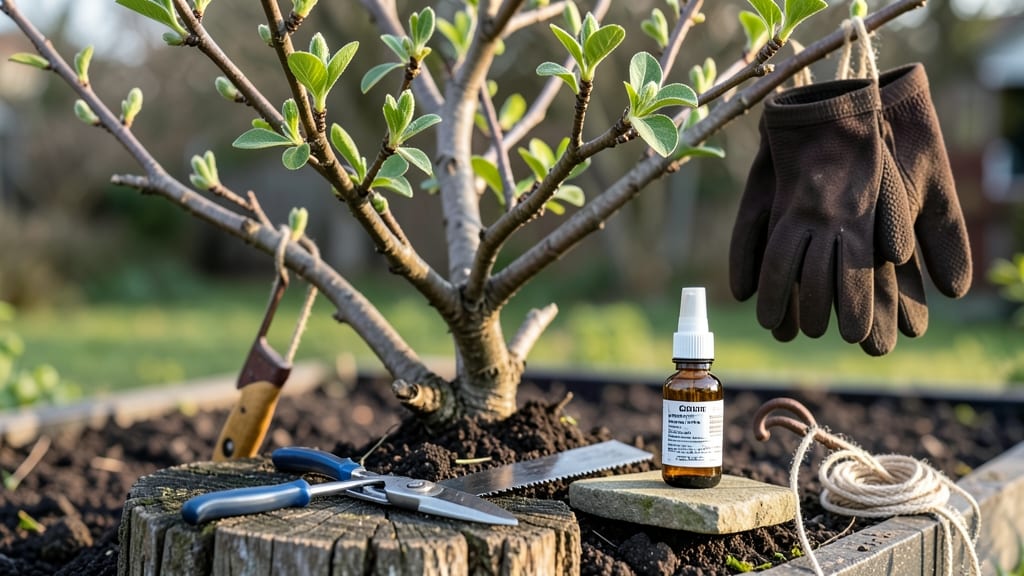
Your butterfly bush will thank you for these sharp cuts before the leaves even appear. ✂️ Early spring pruning—right before new growth starts—is the secret to keeping your Buddleia lush and blooming like crazy all summer.
I’ve pruned mine for years, and the difference between a ragged, overgrown bush and one that bursts with purple plumes is all in the timing and technique.
The key is cutting back one-third to one-half of the previous year’s growth, right above a leaf node or bud. Use clean, sharp pruners to avoid tearing the stems, and wear gloves—those branches can be tough!
If frost is still a risk where you live, wait until after the last frost date, but don’t delay too long or you’ll miss the prime window for encouraging fresh, vigorous growth.
What you’ll end up with is a bush that’s denser, healthier, and packed with more blooms than ever before. The new growth will shoot up faster, and those butterfly magnets will be buzzing around your garden by mid-summer.
Just avoid the temptation to go overboard—over-pruning can stress the plant and reduce flowering.
After pruning, give your bush a light feeding with a balanced fertilizer to kickstart the new growth. Water it well, especially if your spring has been dry, and keep an eye out for any dead or diseased branches that need removing.
With this method, your butterfly bush will be thriving in no time—just in time for the pollinators to arrive!
📚 In This Guide
- What you need
- Instructions
- Tips and common mistakes
- Wrapping up and next steps
What you need
- ● Pruning shears or loppers: Choose bypass pruners (sharp, clean blades) for clean cuts. For thicker stems (over ½ inch), opt for loppers with 6- to 8-inch handles for leverage.
- ● Pruning saw: A folding pruning saw with a fine-tooth blade for stems thicker than 2 inches.
- ● Gloves: Wear heavy-duty gardening gloves (nitrile-coated for grip) to protect against thorns and sap.
- ○ Disinfectant (optional but recommended): A 70% isopropyl alcohol or bleach solution (1 part bleach to 9 parts water) to sterilize tools between cuts and prevent disease spread.
- ● Trash bags or bucket: A large contractor bag or 5-gallon bucket for collecting pruned branches (wear gloves—sap can stain!).
- ● Safety glasses: Protect your eyes from debris, especially when sawing thick stems.
- ● Hand pruners for small branches: A compact pair for trimming fine stems (¼ to ½ inch thick).
- ● Rubbing alcohol wipes: For quick tool disinfection on the go.
- ● Marking twine or spray paint: To tag stems for removal if you’re unsure about cuts.
- ● Knee pads: For comfort if your butterfly bush is tall or sprawling.
Step-by-Step guide to pruning butterfly bush in early spring
Here's how to refresh your butterfly bush for a lush, vibrant season ahead.
✂️ Step 1: Gather Your Tools and Safety Gear
Start with clean, sharp pruners—dull blades crush stems and invite disease. I always disinfect my tools with rubbing alcohol between cuts to prevent spreading any fungal spores that might be hiding in last year's growth. Wear gloves too; butterfly bush leaves can irritate sensitive skin, especially when fresh.
Check the weather forecast before you begin. Prune on a dry, calm day when temperatures are above 40°F—cold or wet conditions stress the plant. If you're working with a large bush, bring a small bucket to collect clippings and a tarp to lay under the plant to catch fallen leaves and debris.
✂️ Step 2: Remove Dead, Diseased, or Damaged Wood
Scan the entire bush for branches that are brown, mushy, or hollow—these are dead or diseased and need to go. Cut these stems back to the main trunk or to a healthy bud, making your cut at a 45-degree angle just above the bud. This angle helps water run off instead of pooling on the cut.
Look for any branches that are crossing or rubbing against each other. These create wounds that can invite pests and disease. Remove the weaker of the two branches at its base. You'll know you're on the right track when you see fresh, green growth emerging from the center of the plant—this is where new blooms will form.
✂️ Step 3: Thin Out Overcrowded Branches
Butterfly bush thrives when it has good airflow, so aim to thin out about one-third of the oldest stems each year. Focus on removing branches that are growing inward toward the center of the plant. These crowded stems compete for sunlight and nutrients, weakening the bush overall.
Make your cuts just above an outward-facing bud or branch. This encourages the new growth to spread outward, creating a fuller, more balanced shape. Step back occasionally to check your progress—you want to see light filtering through the center of the bush. If you're unsure which branches to remove, take a photo first, then compare before and after.
☀️ Step 4: Shape the Bush for Optimal Growth
Now it's time to refine the shape. Butterfly bush responds well to a slightly rounded or vase-like form, which encourages blooms along the length of the branches. Use your pruners to trim back any overly long or leggy stems by about one-third of their length. Cut just above a leaf node or bud to promote new growth.
If your bush has become too wide or unruly, you can also lightly trim the outer edges to encourage denser growth. Avoid cutting into old wood—look for stems that are still green or have a slight sheen, as these will produce the best blooms. Once you're done shaping, take a step back and admire your work. A well-pruned butterfly bush should look open in the center and full around the edges.
🌿 Step 5: Clean Up and Fertilize for New Growth
Remove all the clippings from the area—don't leave them on the ground, as they can harbor pests or diseases. Dispose of them in the trash or compost bin, not in your compost pile, since butterfly bush can spread aggressively if not managed.
After pruning, give your butterfly bush a light feeding with a balanced, slow-release fertilizer. I like to use a 10-10-10 formula applied according to the package instructions. Water the bush deeply after fertilizing to help the nutrients soak into the soil. Within a few weeks, you should see fresh, vibrant growth emerging from the pruned areas—a sure sign your efforts are paying off.
Tips & tricks for pruning butterfly bush like a pro
Here's what I learned after years of trial and error to get your butterfly bush looking its absolute best.
Tool Prep is Everything: Before you even touch the plant, sharpen your pruners and disinfect them with rubbing alcohol. I've seen so many gardeners skip this step and end up with infected plants. The 40°F minimum temperature isn't just about comfort—it's about preventing shock to the plant. If it's colder, wait until morning sun warms the air slightly, or you'll stress the bush unnecessarily.
The 45-Degree Angle Secret: When making cuts in Step 2, that 45-degree angle isn't arbitrary—it's about directing water away from the cut. I used to make straight cuts and noticed water pooling, which led to rot. Visualize a slice of pizza—same principle! For larger branches, consider using loppers instead of regular pruners to avoid crushing the stem.
One-Third Rule for Thinning: That one-third of oldest stems guideline in Step 3 is your golden ratio. I've seen gardeners get aggressive and remove too much, which stunts growth. Think of it like giving your bush a haircut—you want to remove just enough to let light and air circulate, not shave it bald. If you're unsure, take a photo before you start so you can compare.
Fertilizer Timing Matters: After pruning, don't rush to fertilize immediately. Give your butterfly bush 2-3 weeks to recover from the stress of pruning. The 10-10-10 formula is perfect because it's balanced, but if you want to boost blooms, you can opt for a 5-10-5 (higher phosphorus) instead. Just follow package instructions—more isn't better with fertilizer!
Pro Tips for Prune Butterfly Bush In Early Spring
- Here's what I learned after years of trial and error to get your butterfly bush looking its absolute best.
- Tool Prep is Everything: Before you even touch the plant, sharpen your pruners and disinfect them with rubbing alcohol.
- The 45-Degree Angle Secret: When making cuts in Step 2, that 45-degree angle isn't arbitrary—it's about directing water away from the cut.
Frequently asked questions
Got questions about pruning your butterfly bush? You’re not alone! Here are some of the most common concerns—and their answers—to help you tackle early spring pruning with confidence.
When is the exact best time to prune butterfly bush in early spring?
The ideal window is right after the last frost but before new growth starts—typically late February to early April, depending on your climate zone. Pruning too early risks damaging tender buds, while waiting too long may encourage pests or weak stems. Pro tip: Watch for leaf buds swelling on the stems as your cue!
Should I cut back butterfly bush all the way to the ground?
Not necessarily! While hard pruning (cutting to 6–12 inches above ground) works for rejuvenation, mature bushes benefit from selective pruning—removing only dead, diseased, or crossing branches. This preserves flowers and encourages bushier growth. Warning: Avoid over-pruning; butterfly bushes bounce back slowly after severe cuts.
What if my butterfly bush looks sad after pruning?
Don’t panic! A leggy or sparse appearance post-prune is normal—new growth will fill in quickly if the plant is healthy. Focus on watering deeply (1–2 inches per week) and applying a balanced fertilizer (10-10-10) to support recovery. Bonus: Mulch around the base to retain moisture and deter weeds.
Can I prune butterfly bush in fall instead of spring?
Fall pruning is risky because it exposes fresh cuts to winter pests and diseases. However, if you must prune in fall (e.g., for safety or aesthetics), do so after leaf drop (October/November) and avoid heavy cuts. Spring is always the safer bet for butterfly bushes—they thrive on early-season energy!
What’s the difference between pruning and shearing butterfly bush?
Pruning = strategic cuts to shape, remove deadwood, and encourage airflow (use bypass pruners). Shearing = even trimming with hedge clippers for a manicured look—but it stunts flowering by removing buds. For butterfly bushes, prune selectively and shear only if you prioritize form over blooms.
Still unsure? Snap a photo of your bush’s current state and compare it to these tips—you’ve got this!
Wrapping up and next steps
Pruning your butterfly bush in early spring is a simple yet powerful way to boost its health, encourage stunning blooms, and keep it looking its best.
With the right tools, timing, and technique—like making clean cuts just above a bud or node—you’ll set the stage for a vibrant, pest-resistant plant all season long. 🌿✨
Now that you’re armed with the know-how, roll up your sleeves and give your butterfly bush the fresh start it deserves! For extra care, consider adding a balanced fertilizer or mulching around the base to support its new growth.
Happy pruning—and enjoy the buzz of butterflies (and compliments) that’ll follow! 🦋💚