
How To
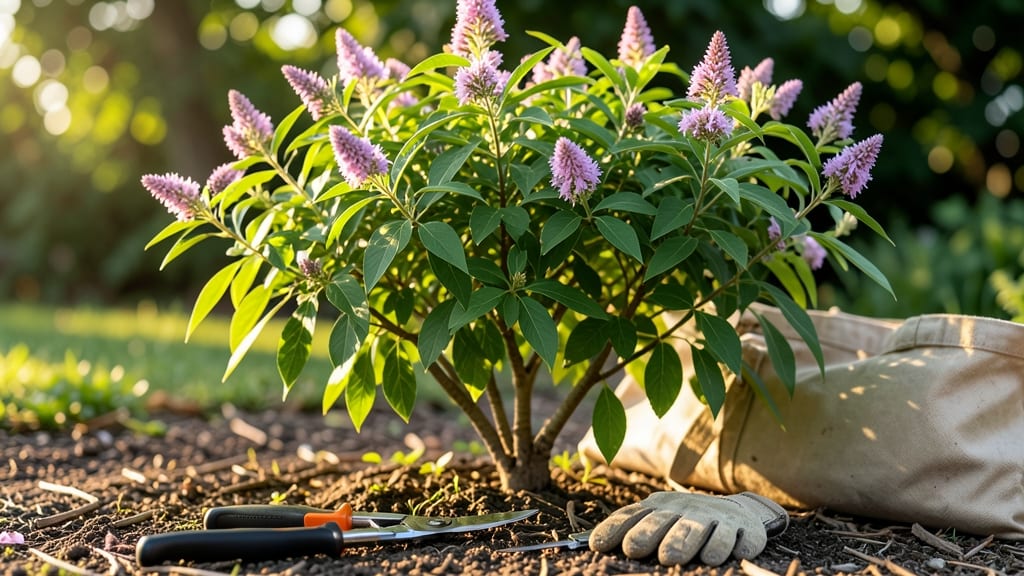
Pruning butterfly bush isn’t just about keeping it tidy—it’s the secret to longer blooms and bushier growth every season. 🌿 I’ve learned that cutting back at the wrong time can turn your plant into a leggy stick, but timing it right means waves of purple flowers from summer through fall.
The key is knowing when to prune and how hard to cut, and I’ll walk you through the exact steps that work for me—no guesswork involved.
Start with clean, sharp pruners and a clear plan: late winter or early spring is ideal for a major trim, while a light cleanup after flowering keeps the plant productive.
You’ll shape it into a fuller, more compact bush by cutting back about one-third of the previous year’s growth, always just above a leaf node or bud.
This method encourages new stems that bloom heavily, and you’ll avoid the common mistake of over-pruning, which can leave your plant struggling to recover.
📚 In This Guide
- What you need
- Instructions
- Tips and common mistakes
- Wrapping up and next steps
What you need
- ● Bypass pruners: A sharp, high-quality pair (e.g., Felco or Fiskars) for clean cuts on smaller stems.
- ● Loppers: For thicker branches (1–2 inches in diameter). Choose ones with bypass blades to avoid crushing stems.
- ● Hand saw or pruning saw: For any stubborn, oversized branches (3+ inches thick). A curved blade works best for tight spaces.
- ● Gloves: Heavy-duty gardening gloves (e.g., Mechanix or Cobalt) to protect against thorns and rough stems.
- ● Disinfectant (70% isopropyl alcohol or bleach solution): Clean tools before and after pruning to prevent disease spread.
- ○ Pruning sealant (optional): A fast-drying product like Tanglefoot Tree Wound Pruning Sealer for large cuts (controversial but useful in some cases).
- ● Trash bags or bucket: For collecting pruned branches and debris.
- ● Weather check: Prune on a dry, overcast day to reduce stress on the plant and minimize disease risk.
- ● Safety gear: Safety glasses (if branches are heavy) and long sleeves/pants to avoid thorns.
- ● Plant health assessment: Inspect the bush for pests or diseases (e.g., powdery mildew) before pruning.
- ● Sharp tools only: Dull blades tear stems, inviting infections. Sharpen tools before starting!
- ● Extension pole: For tall bushes (6+ feet), attach loppers to a 3–6 ft. pole for hard-to-reach branches.
- ● String or measuring tape: To mark cuts for symmetry.
- ● Compost bin: Repurpose pruned branches as mulch or compost.
- ● Plant food (balanced fertilizer): Apply after pruning to boost recovery (e.g., 10-10-10 or compost tea).
Step-by-Step instructions for pruning butterfly bush
Here's how I keep my butterfly bushes blooming like crazy—season after season.
✂️ Step 1: Prune in Late Winter or Early Spring
Wait until just before new growth begins, usually in late February or March when the threat of frost has passed. I cut back the entire plant by one-third to one-half of its height. This encourages fresh, vigorous growth and prevents the bush from becoming too leggy later in the season.
Use clean, sharp pruners to make cuts at a 45-degree angle just above a leaf node or bud. This ensures water runs off the cut and new growth emerges from the right spot. If your bush has dead or diseased branches, remove those first—they’ll stand out as brown, brittle stems that snap easily.
✂️ Step 2: Thin Out Overcrowded Branches in Early Summer
After the first flush of blooms, wait until mid-June to do a light thinning. Look for branches that cross or rub against each other—these create weak spots and invite disease. Remove one-third of the oldest stems at the base, cutting all the way back to the ground. This opens up the center of the bush for better airflow and sunlight.
I also trim back any branches that grew too long or flopped over. Cut them back to a strong side branch or bud. You’ll see the plant perk up immediately, and the remaining stems will thicken up for next year’s blooms.
✂️ Step 3: Light Pruning After Each Blooming Cycle
Butterfly bush blooms on new wood, so you can prune lightly after each flush of flowers to encourage more blooms. After the first big bloom in late June or early July, trim back spent flower heads and any leggy growth by one-third. This keeps the plant compact and signals it to produce another round of blooms.
I avoid heavy pruning at this stage—just enough to tidy up and shape the bush. If you cut too much now, you’ll reduce next year’s flowers. Watch for new buds forming at the tips of branches; these are your signal that the plant is ready for another round of growth.
✂️ Step 4: Final Light Pruning in Fall
In late September or early October, do a final light pruning to remove any dead, diseased, or weak branches. This keeps the plant tidy and reduces the risk of pests overwintering in debris. Cut back any branches that grew too long or look tired, but avoid heavy pruning—you want the plant to enter dormancy strong.
I also rake up and dispose of fallen leaves and debris around the base. This prevents fungal diseases from taking hold over winter. A light layer of mulch (if you’re using it) helps protect the roots from freezing temperatures.
Tips & tricks for pruning butterfly bush
These simple strategies will help you keep your butterfly bush thriving and blooming beautifully year after year.
Timing is Everything: The late winter/early spring pruning in Step 1 is your most important cut of the year. I can't stress enough how critical it is to wait until just before new growth begins—usually that means late February or March when frost danger has passed. If you prune too early, you risk damaging tender new buds that haven't emerged yet. Watch for the first signs of swelling buds on the stems as your signal it's time to prune.
Cutting Technique Matters: That 45-degree angle mentioned in Step 1 isn't just for show—it's essential for proper water runoff and new growth. I've made the mistake of cutting straight across, and it always leads to water pooling at the cut, which can cause rot. Make sure your pruners are sharp too; dull blades crush stems instead of making clean cuts, which stresses the plant. A good pair of bypass pruners makes all the difference.
Seasonal Pruning Strategy: Remember that butterfly bushes bloom on new wood, which is why the light pruning in Steps 3 and 4 is so important. After the first big bloom in late June/early July, I always trim back only one-third of any leggy growth. This might seem counterintuitive—why cut at all if you want more blooms?—but it's what triggers the plant to produce those second and third flushes of flowers throughout the summer. Think of it as giving your bush a little nudge to keep producing.
Cleanup is Key: Don't overlook the fall cleanup in Step 4. I've seen so many butterfly bushes suffer from fungal diseases because people left last year's debris around the base. Rake up all those fallen leaves and spent flower heads—they're perfect hiding spots for overwintering pests and fungal spores. A quick cleanup now means fewer problems next spring. And if you're using mulch, keep it light—too much can suffocate the roots over winter.
Pro Tips for Prune Butterfly Bush
- These simple strategies will help you keep your butterfly bush thriving and blooming beautifully year after year.
- Timing is Everything: The late winter/early spring pruning in Step 1 is your most important cut of the year. I can't ...
- Cutting Technique Matters: That 45-degree angle mentioned in Step 1 isn't just for show—it's essential for proper wat...
Frequently asked questions
Got questions about pruning your butterfly bush? You’re not alone!
Here are answers to the most common concerns—from timing to troubleshooting—so you can keep your plant thriving with confidence.
When is the best time to prune butterfly bush?
Prune your butterfly bush twice a year: late winter or early spring (before new growth starts) to shape the plant and remove dead wood, and right after flowering (late summer) to encourage a second flush of blooms. Avoid pruning in fall—it can stimulate tender new growth that won’t survive winter.
How much should I cut back my butterfly bush?
For first-year plants, prune lightly to establish shape. For mature bushes (2+ years old), cut back 1/3 to 1/2 of the plant’s height in late winter. In summer, trim just the spent flower stalks to 6–12 inches above the ground. Over-pruning can stress the plant, so aim for a balanced approach!
What if my butterfly bush isn’t blooming after pruning?
If your butterfly bush skips blooms, check these fixes:
Too much shade? These plants need full sun (6+ hours daily) to bloom well.
Over-fertilized? Too much nitrogen = leafy growth, not flowers. Use a low-nitrogen, high-phosphorus fertilizer in spring.
Pruned at the wrong time? Avoid heavy pruning in fall—it can delay next year’s blooms.
Can I prune butterfly bush in fall?
It’s not recommended to prune in fall because new growth won’t harden off before winter, making it vulnerable to frost damage. If you must prune (e.g., for safety or severe dieback), do it early fall and leave at least 6–8 inches of stems to protect the plant. Mulch heavily to insulate roots!
Are there alternatives to pruning for bushier growth?
If you dislike pruning, try these low-maintenance tips:
- Pinch back tips in spring to encourage branching (no shears needed!).
- Thin out crowded stems by removing 2–3 oldest canes annually to improve airflow.
- Use a slow-release fertilizer to promote steady growth without heavy pruning.
Wrapping up and next steps
Pruning your butterfly bush doesn’t have to be intimidating—just follow the seasonal rhythm of light trims in early spring, heavy cuts after blooming, and winter cleanup to keep it thriving.
With the right tools and timing, you’ll reward yourself (and local pollinators!) with longer, fuller blooms and a bush that stays healthy year after year. 🌿✨
Ready to give it a try? Grab your pruners, step outside, and transform your butterfly bush into a vibrant, buzzing haven—one snip at a time! For extra tips, check out our FAQ section or dive into seasonal care guides next.