
Pruning
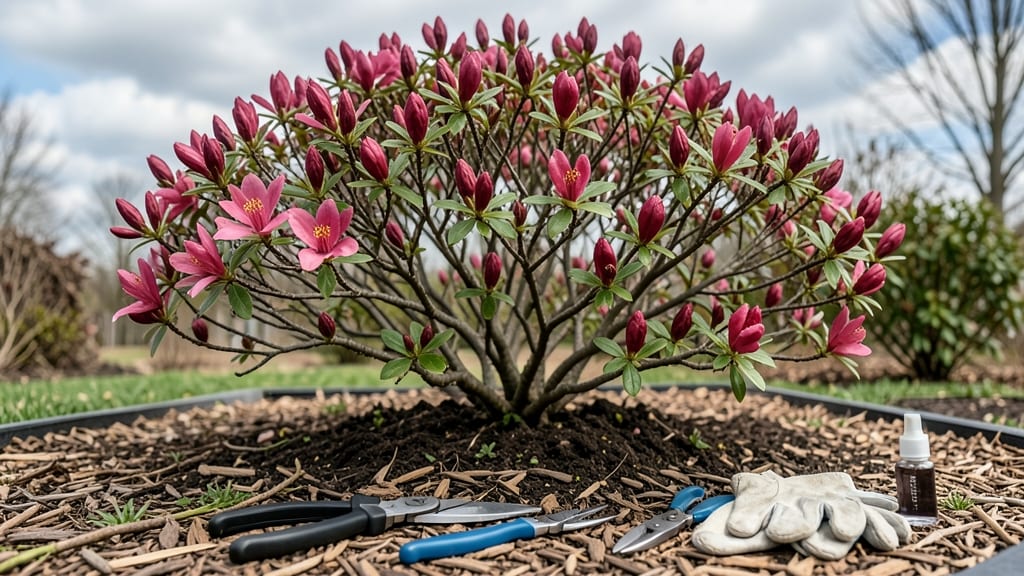
Pruning Chaenomeles isn’t just about cutting—it’s about unlocking a cascade of spring blooms that make your yard the envy of the neighborhood. 🌸 I’ve watched my flowering quince go from a tangled mess to a showstopping display of pink and red flowers by simply mastering the timing and technique.
The key is working in late winter or early spring, just as new growth begins. Grab your pruners and gloves, then focus on removing dead wood first—those bare branches are sucking energy from potential blooms.
Next, thin out crowded stems to improve airflow and sunlight penetration, which means more flowers and fewer pests. By summer, you’ll see lush, bushier growth with buds forming for next year’s show.
The secret is cutting just above a bud that faces outward, creating an open center that lets light and air circulate. Avoid heavy pruning in fall, as new growth won’t harden off before winter. For older bushes that’ve lost their shape, a rejuvenation prune in late winter works wonders.
Cut back one-third of the oldest stems to the ground—it sounds drastic, but your quince will bounce back with vigor, and you’ll have a fresh start for years of stunning blooms.
📚 In This Guide
- What you need
- Instructions
- Tips and common mistakes
- Wrapping up and next steps
What you need
- ● Pruning shears: Bypass pruners (for clean cuts on small branches, 4–6 inches long). ✨ Pro Tip: Choose sharp, stainless-steel blades to avoid crushing stems!
- ● Loppers: Bypass loppers (for thicker branches, 8–12 inches long, with a 2–4 inch cutting capacity).
- ● Hand saw: Pruning saw (for stubborn, woody branches >1 inch thick). Look for a curved blade for precision.
- ● Disinfectant: 70% isopropyl alcohol or rubbing alcohol (to sterilize tools between cuts and prevent disease spread).
- ● Garden gloves: Cut-resistant, breathable (nitrile-coated for grip and protection).
- ● Rake or broom: (for clearing fallen debris post-pruning).
- ○ Pruning sealant: Optional but helpful (for sealing large cuts >½ inch to prevent disease; use a tree wound dressing like Tanglefoot).
- ● Ladder: (if your Chaenomeles is tall—extendable or sturdy step ladder).
- ● Marking twine: (to tag branches for removal or special attention).
- ● Pruning paint: (for sealing cuts on older wood, if you prefer a natural look).
- ● Mulch: (to replenish after pruning for soil health).
Step-by-step guide to pruning Chaenomeles for healthier growth
Chaenomeles—those tough, flowering shrubs—thrive when pruned right. Here’s my go-to method for keeping them bushy and blooming like crazy.
⏰ Step 1: Prune Right After Spring Blooming
Wait until after the flowers fade—usually late April or early May in most climates. This timing ensures you don’t cut off next year’s blooms, which form on old wood. I like to prune when the new leaves are fully unfurled but before the summer heat sets in.
Start by removing any dead, diseased, or crossing branches with clean, sharp pruners. Cut back to a healthy bud or branch junction. If a branch is too thick to cut cleanly, make a smaller cut first to reduce stress on the plant.
✂️ Step 2: Shape and Thin for Better Airflow
Step back and look at the shrub’s overall shape. Chaenomeles respond well to an open, vase-like form. Remove any branches growing inward or rubbing against others—these create weak spots and invite disease. I aim to thin out about 20-30% of the oldest growth to encourage new, vigorous shoots.
Cut branches back to a strong outward-facing bud. This encourages growth in the direction you want, keeping the shrub full and flowering. Avoid cutting into old, woody stems—these won’t regrow well.
☀️ Step 3: Light Summer Maintenance Pruning
During the growing season, keep an eye out for any branches that look leggy or overcrowded. In late June or early July, give the shrub a light trim to remove any water sprouts (those fast-growing, weak shoots) and any branches that are growing too close together.
This isn’t about heavy pruning—just a little tidying to keep the plant looking neat and encourage more blooms next year. I usually just nip off the tips of a few branches with my pruners, making sure to cut just above a leaf node.
✂️ Step 4: Renewal Pruning in Late Winter
In late February or early March, before new growth starts, do a renewal prune. This is your chance to rejuvenate older branches that aren’t producing as many flowers. Select 2-3 of the oldest, largest branches and cut them back to the ground. This stimulates new growth from the base, keeping the shrub youthful.
Don’t overdo it—removing too many old branches at once can shock the plant. If you have a mature chaenomeles, spread this out over 2-3 years to avoid stressing it. After pruning, give the plant a light layer of mulch to protect the roots as it recovers.
Tips & tricks for pruning Chaenomeles
Real talk: I've seen too many beautiful chaenomeles shrubs turn into tangled messes from over-pruning. Here's how to keep yours thriving without cutting too much too soon.
Timing is Everything: That late April/Early May window for post-bloom pruning is non-negotiable. I've learned the hard way that cutting too early can remove next year's flower buds—chaenomeles bloom on old wood, so patience pays off. Watch for the flowers to completely fade before you touch your pruners.
Branch Selection Matters: When thinning in Step 2, look for branches that are growing inward or crossing others—these are the ones to remove first. I use the "thirds rule" as a guide: remove about one-third of the oldest growth each year over a three-year cycle. This keeps the plant from getting overwhelmed and maintains that beautiful vase shape.
Clean Cuts Prevent Problems: Always use sharp, clean pruners and make cuts at a 45-degree angle just above a healthy bud. I've seen so many infections start from jagged cuts that expose the plant to disease. For thick branches, make a smaller cut first to reduce stress on the plant before completing the cut.
Seasonal Maintenance Pays Off: That light summer trim in late June/early July isn't just about looks—it's about encouraging more blooms next year. I focus on removing water sprouts and any branches growing too close together. This simple step has doubled my bloom production over the years!
Pro Tips for Prune Chaenomeles
- Real talk: I've seen too many beautiful chaenomeles shrubs turn into tangled messes from over-pruning.
- Timing is Everything: That late April/Early May window for post-bloom pruning is non-negotiable.
- Branch Selection Matters: When thinning in Step 2, look for branches that are growing inward or crossing others—these are the ones to remove first.
Frequently asked questions
Got questions about pruning your Chaenomeles (quince)? You’re not alone! Here are answers to the most common concerns—so you can keep your shrub thriving with confidence.
When is the best time to prune Chaenomeles?
Prune Chaenomeles in late winter or early spring (before buds swell) for best results. This timing encourages vigorous growth and abundant blooms. Light pruning after flowering (summer) is okay, but avoid heavy cuts—it may reduce next year’s flowers.
How much can I cut back my Chaenomeles?
You can remove up to 1/3 of the plant’s oldest wood annually to rejuvenate growth. For severely overgrown shrubs, prune back harder in stages over 2–3 years to avoid shock. Focus on thinning dense areas and shaping, not just reducing size.
Why isn’t my Chaenomeles blooming after pruning?
If flowers are sparse, you may have pruned too late (after buds formed) or cut back flowering stems. Chaenomeles blooms on old wood, so avoid heavy summer pruning. Try pruning less aggressively next year and fertilize lightly in spring.
Can I prune Chaenomeles in fall?
Fall pruning is risky—new growth may not harden off before winter, leaving it vulnerable to frost damage. If you must prune in fall, do it mildly in late autumn (October–November) and avoid heavy cuts. Spring is always safer!
What if my Chaenomeles looks leggy after pruning?
Leggy growth often means too much shade or over-pruning. To fix it, thin out dense branches to improve airflow, and prune just above outward-facing buds to encourage bushier growth. Add morning sun if possible, and fertilize lightly in spring.
Wrapping up and next steps
Pruning your Chaenomeles—whether it’s a Japanese quince or flowering quince—is your secret weapon for vibrant blooms and a tidy shape! By following these year-round tips, you’ll encourage healthier growth, better fruit (if applicable), and a stunning display of color. 🌸
Now that you’re armed with the know-how, grab those shears and get pruning—your shrub will thank you with show-stopping results! For extra inspiration, check out seasonal pruning calendars or explore creative ways to style your newly pruned Chaenomeles in your garden.