
How To
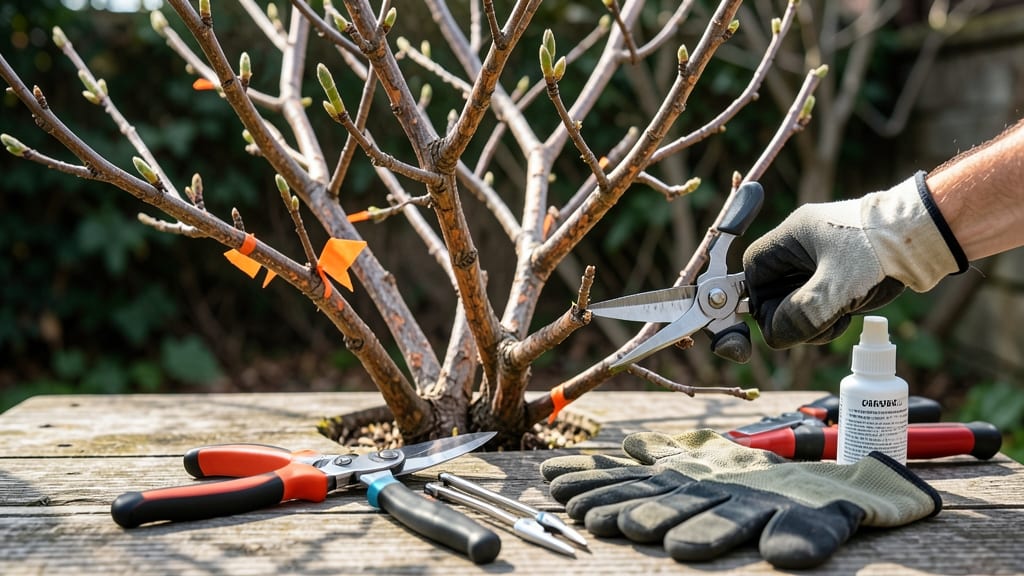
Pruning crepe myrtles transforms them from leggy shadows into showstopping bloomers—if you do it right. 🌿 The key is timing (late winter or early spring) and knowing exactly where to cut to avoid the infamous "crepe murder" look of over-pruned trees.
My first attempt left my tree looking like a sad, overgrown stick—until I learned the proper technique.
Start by removing all dead, diseased, or crossing branches first—these are the easy cuts that clear up 80% of the clutter. Then shape the tree by cutting back the remaining branches to just above a bud or side branch, leaving about 12-18 inches of trunk below the first branch.
The goal is to create a vase-like shape that lets light and air flow through, which is what makes those stunning summer blooms possible.
📚 In This Guide
- What you need
- Instructions
- Tips and common mistakes
- Wrapping up and next steps
What you need
- ● Pruning shears: Sharp, bypass-style shears (4–6-inch blades) for clean cuts on small branches.
- ● Loppers: 8–10-inch loppers for thicker branches (up to 2 inches in diameter). Look for ratcheting or bypass types for precision.
- ● Pruning saw: A curved-tooth saw for branches over 2 inches thick—avoid cheap, dull blades!
- ● Gloves: Heavy-duty, cut-resistant gloves (e.g., leather or Kevlar) to protect your hands from thorns and rough bark.
- ● Disinfectant: 70% isopropyl alcohol or a 10% bleach solution (1 part bleach to 9 parts water) to sterilize tools between cuts and prevent disease spread.
- ● Heavy-duty trash bags: 30–50 gallon size for collecting pruned branches (or a wheelbarrow if hauling large debris).
- ○ Ladder (optional): A sturdy, extension ladder (16–24 feet) with non-slip feet if your crepe myrtle is taller than 6 feet.
- ● Safety gear: Safety glasses (to shield from debris) and earplugs if using a chainsaw (not recommended for most pruning tasks).
- ● Hand pruners with a ratcheting mechanism: Makes cutting thicker branches easier with less effort.
- ● Pole saw: Extendable saw for high branches if you skip the ladder.
- ● Marking spray: Non-toxic, biodegradable paint to mark branches for removal before cutting.
- ● Compost bin: If you want to recycle pruned branches as mulch (ensure they’re disease-free!).
- ● First-aid kit: Just in case—thorns and tools can lead to minor injuries!
Step-by-Step guide to pruning crepe myrtle for stunning blooms
Reviving your crepe myrtle’s natural shape and maximizing flowers takes just a few focused cuts at the right time.
⏰ Step 1: Prune in Late Winter or Early Spring
Wait until after the last frost but before buds swell—typically February to early March in most climates. This timing ensures you remove dead wood while leaving next season’s blooms intact. Crepe myrtles bloom on new wood, so pruning too early risks cutting off flower buds before they form.
Start by removing any dead, diseased, or crossing branches first. These are easy to spot—they’re brown, brittle, or growing inward. Use sharp pruning shears to make clean cuts just outside the branch collar (the swollen area where the branch meets the trunk). This prevents unsightly stubs and helps wounds heal faster.
✂️ Step 2: Thin Out Overcrowded Branches
Look for branches that rub against each other or grow straight up—these compete for energy and weaken the tree. Select 3-5 strong, evenly spaced branches to keep as the main structure. Remove one-third of the oldest branches first, cutting them back to the trunk or a lateral branch. This opens the center for better airflow and sunlight penetration.
Crepe myrtles naturally develop a vase-like shape, so avoid turning them into a single-trunk tree. Leave some lower branches to encourage a fuller, bushier look. You’ll know you’re on the right track when you can see light filtering through the canopy without gaps.
☀️ Step 3: Shape the Canopy in Late Spring
After the tree finishes blooming—usually June or July—give it a light shaping. Focus on softening the silhouette by trimming back any branches that grow too aggressively outward or downward. Cut just above a leaf node or lateral bud to encourage new growth in the right direction.
Resist the urge to over-prune. Crepe myrtles respond best to minimal shaping—just enough to maintain balance. If you see long, leggy branches, you can shorten them by up to one-third to promote bushier growth. Avoid heavy pruning now, as it can reduce next year’s flower production.
⏰ Step 4: Clean Up Year-Round
Throughout the year, remove suckers (shoots growing from the base or roots) and water sprouts (vertical shoots growing from the trunk or branches). These steal energy from the main structure. Use hand pruners for small suckers and loppers for thicker stems, always cutting at a 45-degree angle just above a bud.
After each pruning session, sterilize your tools with rubbing alcohol to prevent spreading disease. Rake up and dispose of fallen leaves and debris to keep the base of the tree clean. This simple habit reduces pests and fungal issues, ensuring your crepe myrtle stays healthy between pruning seasons.
Tips & tricks for pruning crepe myrtle
A few strategic cuts can transform your crepe myrtle from overgrown to showstopping. Here's what I've learned after years of working with these trees.
Timing is Everything: The February-to-March window is critical for Step 1 because that's when your tree is dormant but about to wake up. If you prune too early, you risk cutting off next year's flower buds—crepe myrtles bloom on new wood. I've seen people prune in late winter and wonder why their tree didn't bloom as heavily. Wait until you see those tiny buds forming before making your first cuts.
Branch Selection Strategy: When thinning in Step 2, focus on creating an open center rather than just removing branches. I always look for branches that grow straight up or cross others—they're energy vampires. Cut back one-third of the oldest branches first, then remove any that grow inward. This opens up the canopy so sunlight reaches all parts of the tree, which means more blooms next season.
Pruning Technique Matters: The 45-degree angle cut in Step 4 isn't just about looks—it's about directing water away from the wound. Always cut just above a bud or leaf node to encourage new growth in the right direction. I've made the mistake of cutting too close to the trunk, which leaves ugly stubs that never heal properly. Use your pruning shears to make clean cuts that follow the natural branch shape.
Year-Round Maintenance: Don't let suckers and water sprouts take over between pruning seasons. I make it a habit to check my trees every few months and remove these energy thieves immediately. Sterilizing your tools between cuts prevents spreading disease—something I learned the hard way after losing a few branches to fungal infections. A clean workspace makes all the difference in keeping your tree healthy.
Pro Tips for Prune Crepe Myrtle
- A few strategic cuts can transform your crepe myrtle from overgrown to showstopping.
- Timing is Everything: The February-to-March window is critical for Step 1 because that's when your tree is dormant but about to wake up.
- Branch Selection Strategy: When thinning in Step 2, focus on creating an open center rather than just removing branches.
Frequently asked questions
Got questions about pruning crepe myrtles?
You’re not alone! Here are answers to the most common concerns—from timing to troubleshooting—so you can prune with confidence and keep your trees thriving.
When is the best time to prune crepe myrtles?
Prune your crepe myrtle after it blooms in late summer or early fall (August–September). Avoid winter pruning, as it can damage dormant buds. Never prune in spring—this removes next year’s flowers! Light shaping in late winter (before buds swell) is fine, but major cuts should wait until post-bloom.
Can I prune crepe myrtles in winter?
Winter pruning is not recommended because it exposes fresh cuts to harsh conditions, increasing disease risk. If you must prune in cold months, do it very lightly (just removing dead wood) and avoid heavy cuts. Wait until late summer for the best results—your tree will thank you with bigger, healthier blooms next year!
What do I do if I prune too much?
Over-pruning can stress your crepe myrtle, leading to fewer flowers or even dieback. If you’ve trimmed too aggressively, don’t panic—focus on light maintenance next year. Water deeply, avoid fertilizing, and prune only to remove dead or crossing branches. With time, your tree will recover, though blooms may be smaller temporarily.
Will pruning make my crepe myrtle bloom more?
Yes! Proper pruning encourages fuller, more vibrant blooms by removing old wood and improving airflow. Cut back last year’s flower stems (they’re the thick, woody branches) to stimulate new growth. Just avoid the “crepe murder” look—never cut into the trunk or large limbs—and you’ll see a stunning display next season!
Are there alternatives to heavy pruning?
If you dislike pruning, try selective shaping instead of drastic cuts. Focus on removing only dead, diseased, or crossing branches year-round. For established trees, a light summer trim (after blooming) keeps them tidy without sacrificing flowers. Mulching and proper watering also reduce the need for heavy pruning!
Wrapping up and next steps
Pruning your crepe myrtle doesn’t have to be intimidating—it’s all about timing, technique, and a little patience! 🌿 With the right tools and a clear plan, you’ll keep your tree thriving, encourage stunning blooms, and maintain that picture-perfect landscape.
Now that you’re armed with the know-how, grab those shears and get ready to transform your crepe myrtle into a showstopper.
Your next step? Mark your calendar for late winter or early spring—pruning season is just around the corner! For extra confidence, check out our FAQs or watch a quick tutorial video to see the process in action. Happy pruning! ✂️💚