
How To
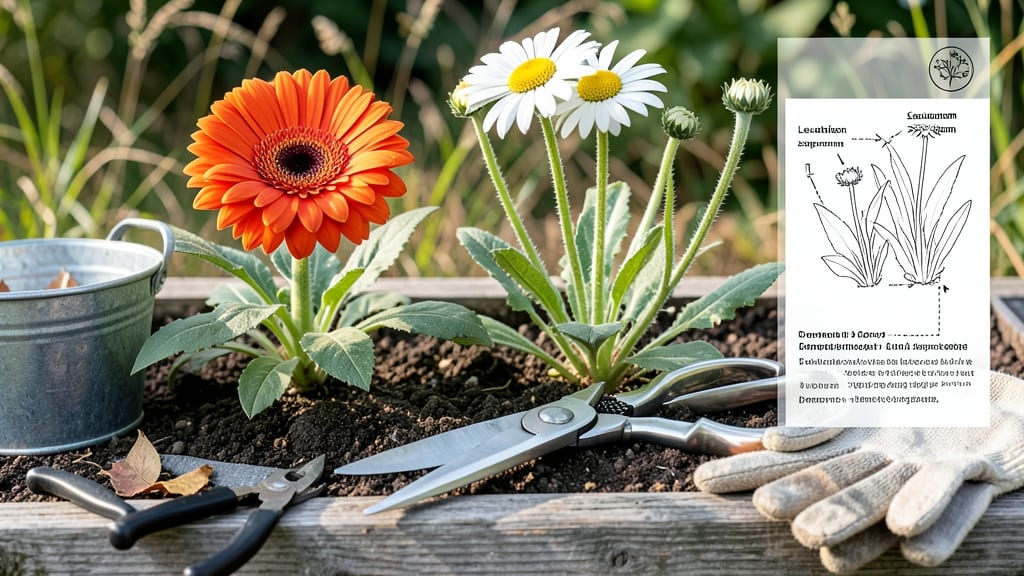
Pruning daisies isn't just about cutting back—it's the secret to nonstop blooms all season long. 🌼 I learned the hard way that skipping this step means fewer flowers and leggy stems by summer's end. The right cuts at the right time transform your daisies from sparse to show-stopping.
Start with clean, sharp pruners and focus on deadheading spent blooms first—this alone keeps plants producing new flowers. Cut just above a healthy leaf node, and always prune in the morning when stems are dry. For winter prep, reduce foliage by half to prevent disease and encourage fresh spring growth.
You'll see the difference in just two weeks: fuller plants, more buds, and stems that stay strong against wind. The key is consistency—don't wait until the flowers fade completely, and never cut into old wood.
With this approach, your daisies will reward you with blooms from spring through fall.
📚 In This Guide
- What you need
- Instructions
- Tips and common mistakes
- Wrapping up and next steps
What you need
- ● Pruning shears: A sharp, bypass-style pair (4–6 inches) for clean cuts—avoid dull or anvil-type shears to prevent crushing stems. (1 pair)
- ○ Hand pruners: Smaller, ergonomic pruners for delicate trimming (great for tight spaces). (1 pair, optional for detail work)
- ● Garden gloves: Heavy-duty, nitrile-coated gloves to protect against thorns and dirt. (1 pair)
- ● Disinfectant (70% isopropyl alcohol or bleach solution): To sterilize tools between cuts and prevent disease spread. (Small spray bottle or wipe)
- ● Garden twine or rubber bands: For temporarily tying back leggy stems while pruning. (Small roll)
- ● Trash bag or bucket: For collecting pruned debris—keep it handy to avoid tripping hazards! (1–2 bags or a 5-gallon bucket)
- ● Long-handled pruners: For reaching tall daisy varieties without straining. (1 pair, if needed)
- ● Knee pads: If you’re pruning large patches or have joint concerns. (1–2 pairs)
- ● Pruning saw: For thick, woody stems (rare in daisies, but useful for established plants). (1 small saw)
- ○ Compost bin access: To recycle pruned stems as nutrient-rich compost. (Optional but eco-friendly!)
Step-by-Step guide to pruning daisies for nonstop blooms
Here's the simple routine I use to keep my daisies flowering like crazy all season long.
✂️ Step 1: Deadhead Spent Blooms Weekly
As soon as a daisy flower head fades and turns brown, snip it off cleanly with sharp pruners. I cut just above the first set of healthy leaves below the bloom—this prevents the plant from wasting energy on seed production. You'll notice new buds forming within a week of regular deadheading.
Use clean, sharp pruners to avoid tearing stems. I like to do this on a dry morning when the plants are at their crispest—it makes the cuts cleaner and reduces stress on the plant. Aim to deadhead every 5-7 days during peak bloom season to maintain that bushy, full look.
🌿 Step 2: Light Pruning After Each Flowering Cycle
After your daisies finish their main bloom cycle (usually spring through early summer), give them a light haircut. Cut back one-third of the oldest stems at the base to encourage new growth from the center. This is where you'll see those fresh, vigorous shoots that produce your next round of flowers.
I do this pruning in stages if I have a large patch—never cut more than one-third at a time. You'll know you're doing it right when you see new growth emerging from the base within 10-14 days. This is the secret to getting those long, continuous blooms all season.
⏰ Step 3: Late Season Renewal Cutback
In late summer or early fall, when blooms start slowing down, give your daisies a more dramatic cutback. Prune back all stems to about 4-6 inches above the ground. This might look drastic, but it's what triggers that final flush of fall blooms and keeps your plants healthy for next year.
Do this pruning after your first frost if you're in a colder climate, or when you notice the plants slowing down. I always clean up any dead or diseased foliage at the same time. This is also a good time to fertilize lightly if your soil is lean—it gives the plants a little boost before winter.
🌱 Step 4: Spring Cleanup and Shaping
In early spring, before new growth starts, do a final cleanup. Remove any dead stems and rake away old foliage. Then, shape your plants by cutting back any overly long or leggy stems to about 6 inches tall. This encourages a compact, bushy growth habit that produces more flowers.
I like to do this when the soil is still cool but the daisies are just starting to show new growth. You'll see fresh green shoots within a couple of weeks. This is the perfect time to add a balanced fertilizer if your plants look a bit tired from last season.
☀️ Step 5: Ongoing Maintenance Throughout the Season
Between your major pruning sessions, keep an eye out for any stems that are growing too long or leggy. Cut these back by about one-third to maintain a compact shape. I also check for any stems that are crossing or rubbing against each other—these should be pruned to prevent disease.
Water your daisies deeply after pruning to help them recover. You'll know you're on the right track when your plants look full and bushy with plenty of new buds forming. Regular pruning isn't just about keeping your daisies looking good—it's about encouraging that continuous bloom cycle that makes these plants so rewarding to grow.
Tips & tricks for perfect daisy pruning
These simple tricks will help you keep your daisies looking their best all season long without the guesswork.
Timing is Everything: I've found that the 5-7 day deadheading schedule in Step 1 works best when you do it consistently. Set a reminder on your phone or tie it to a weekly chore like watering—this prevents you from missing those critical days when buds are forming. The key is to catch those browned blooms before they set seed, which happens fast in warm weather.
Tool Selection Matters: Don't use scissors or your fingers—sharp pruners make all the difference. I keep a dedicated pair just for gardening and clean them with rubbing alcohol between uses to prevent spreading disease. For large patches, consider bypass pruners which give you a cleaner cut than anvil pruners.
Visual Cues for Pruning: When doing your late-season cutback in Step 3, look for stems that have turned brown or woody—they're ready to go. Leave only the green, healthy stems about 4-6 inches tall. You'll know you've done it right when you see fresh green growth emerging from the base within 2-3 weeks, even in cooler weather.
Seasonal Adjustments: In cooler climates, you can delay your fall cutback until after the first hard frost. The plants will handle the cold better if they've had time to harden off. I've also found that adding a light layer of mulch after pruning helps protect the roots during winter months, especially in areas with freezing temperatures.
Pro Tips for Prune Daisies
- These simple tricks will help you keep your daisies looking their best all season long without the guesswork.
- Timing is Everything: I've found that the 5-7 day deadheading schedule in Step 1 works best when you do it consistent...
- Tool Selection Matters: Don't use scissors or your fingers—sharp pruners make all the difference. I keep a dedicated ...
Frequently asked questions
Got questions about pruning daisies? You’re not alone! Here are some of the most common concerns—plus quick, expert-backed answers to keep your blooms thriving.
When is the best time to prune daisies?
Prune perennial daisies (like Shasta or Gerbera) in early spring (before new growth) or late fall to remove dead foliage. For annuals (like African daisies), trim spent blooms regularly throughout the season to encourage more flowers. Avoid heavy pruning in winter unless your climate is mild.
How much should I cut back daisies?
For perennials, cut back 1/3 to 1/2 of the plant in early spring to promote bushiness. For annuals, snip just above a leaf node (where new buds form) when deadheading. Never remove more than 30% of the plant at once—this can stress it. If your daisies are leggy, a harder prune (down to 6 inches) in spring can rejuvenate them.
What if my daisies stop blooming after pruning?
If blooms fade post-pruning, you might be cutting too aggressively or removing flower buds. Focus on deadheading (trimming spent blooms) instead of heavy structural cuts. For perennials, ensure you’re pruning at the right time (spring/fall). Over-fertilizing with high-nitrogen can also reduce flowers—switch to a bloom-boosting fertilizer (like 5-10-10) instead.
Can I prune daisies in containers?
Yes! Container daisies (like Gerbera or Chrysanthemum) need regular deadheading to prevent legginess. Use clean, sharp shears and trim just above a set of leaves. For compact varieties, a light trim every 2–3 weeks keeps them tidy. Avoid overcrowding—repot if roots circle the container, as this stresses the plant.
What if my daisies look yellow or wilted after pruning?
Yellow leaves often mean over-pruning or fungal issues. If it’s post-pruning shock, give the plant 1–2 weeks to recover and water deeply. For fungal spots (like powdery mildew), remove affected leaves and apply neem oil or a copper fungicide. Wilt can also signal underwatering—keep soil evenly moist (not soggy) after pruning.
Still stumped? Drop your daisy pruning woes in the comments—we’ve got you covered!
Wrapping up and next steps
Pruning daisies doesn’t have to be intimidating—it’s all about timing, technique, and a little patience! 🌼 By following these year-round tricks, you’ll reward yourself with bushier plants, vibrant blooms, and healthier growth.
Whether you’re trimming back deadheads in summer or shaping your plants in early spring, each snip brings you closer to a stunning, low-maintenance garden.
Ready to put your new skills to the test? Grab your pruners and head outside! Start small—pick one section of your garden to practice—and soon, your daisies will be thriving like never before. Happy pruning! ✂️🌿