
Pruning
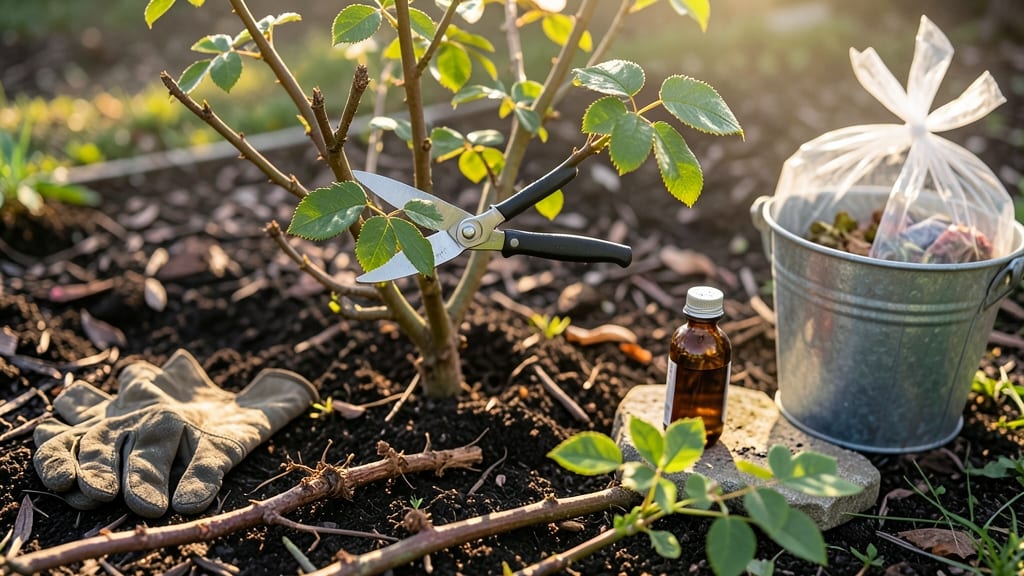
Pruning dead roses in late winter isn’t just about cleanup—it’s the secret to lush summer blooms that make your garden the envy of the neighborhood. 🌹 I’ve turned my own overgrown, skeletal roses into vibrant bushes by mastering this one critical window, and the difference is night and day.
The key is knowing what to cut: blackened, mushy stems or those with no green bark are dead and must go. Grab your sterilized pruners (bleach wipes work), cut at a 45-degree angle just above an outward-facing bud, and shape like a vase—not a dome.
Most gardeners over-prune here, but trust me: your roses will thank you.
By mid-May, you’ll see new red shoots pushing through the soil, and those first blooms arrive in 6-8 weeks. The pruned stems heal faster, resist disease better, and put all their energy into flowers instead of repairing dead wood.
Just avoid pruning after June—it triggers new growth that won’t harden off before winter.
This works for hybrid teas, floribundas, and even those stubborn shrub roses that seem impossible to revive. The only tools you need are sharp pruners, a bucket for clippings, and a little patience. Let’s get those canes looking like they did in their prime.
Hidden Causes Behind Dead Roses
If your once-vibrant roses now look like sad, wilted skeletons, don’t blame just bad luck—there’s usually a scientific (and often fixable) reason behind it. Understanding why your roses are dying is the first step to bringing them back to life.
Let’s break down the most common culprits, from sneaky pests to environmental betrayals.
Roses are tough, but they’re not built for whiplash. Sudden freezes, late-season frost, or scorching heat can shock their systems, leading to cellular damage or water stress. Here’s how it happens:
- Winter Freeze Burn: When temperatures drop below 20°F (-7°C), rose canes suffer ice crystal formation inside their cells, rupturing them like overfilled balloons. This is especially deadly if the ground stays frozen for weeks—roots can’t absorb water, and the plant slowly dehydrates.
- Spring Thaw Trauma: If warm days trick roses into budding too early (a process called false spring), a sudden late frost can kill new growth before it even opens. The plant expends energy on doomed blooms instead of roots.
- Summer Heat Stress: Roses need transpiration (water evaporation through leaves) to cool down. In drought or high winds, they lose moisture faster than roots can replace it, leading to wilting and eventually necrosis (dead, brown tissue).
💡 Pro Tip: Mulch with 4–6 inches of organic matter (like wood chips or straw) to insulate roots in winter and retain moisture in summer. For late frosts, drape frost cloth over roses at night—it’s like giving them a cozy blanket.
Not all rose killers are visible to the naked eye. Some invaders burrow, others release toxins, and a few just suck the life out of your plants. Here’s the dirty dozen:
| Pest/Disease | How It Attacks | Tell-Tale Signs |
|---|---|---|
| Japanese Beetles | Adults skeletonize leaves (eat between veins), while larvae (grubs) munch on roots, starving the plant. | Chewed leaves + brown, wilted canes (roots look ragged when dug up). |
| Black Spot Fungus | Fungal spores spread via water (rain/sprinklers), clogging stomata (leaf pores) and blocking photosynthesis. Infected leaves turn yellow and drop. | Black spots with yellow halos; stems may oozesap if infected. |
| Rose Rosette Virus | Transmitted by mites, this virus rewires plant DNA, causing excessive thorns and reddish, distorted leaves. The plant eventually dies from systemic damage. | Wire-like canes + purple-red foliage (even in winter). |
| Crown Gall Bacteria | Bacteria enter through pruning wounds, forming gall-like tumors at the base of canes. These strangle the plant’s vascular system, cutting off water/nutrients. | Swollen, cauliflower-like bumps on stems; wilting despite moist soil. |
🔥 Action Step: If you spot black spot, prune infected leaves 1 inch below the spot and sterilize tools with 70% isopropyl alcohol. For pests, neem oil disrupts their life cycles without harming roses.
Roses are thirsty divas, but they’ll throw a tantrum if you either drown them or leave them parched. Here’s how water missteps kill roses:
- Overwatering: Soggy soil cuts off oxygen to roots, leading to root rot (a fungal infection). Symptoms: Yellow leaves, mushy stems, and a foul, sour smell near the base.
- Underwatering: Roses need 1–2 inches of water per week. Less than that causes xylem cavitation—air bubbles block water transport, and leaves curl and crisp like parchment.
- Poor Drainage: Clay soil or compacted ground traps water around roots, even if you’re not overwatering. Test drainage: Dig a hole, fill it with water—if it doesn’t drain in 4–6 hours, amend with sand or compost.
🌡️ Science Note: Roses prefer deep, infrequent watering (early morning) to encourage deep root growth. A soaker hose or drip irrigation system delivers water directly to the root zone, reducing waste and disease risk.
Even the hardiest roses will collapse if their soil is nutrient-depleted or chemically imbalanced. Here’s what’s likely starving your plants:
- Nitrogen Deficiency: Leaves turn pale yellow (chlorosis) because chlorophyll production stalls. Common in sandy or overworked soil.
- Phosphorus Shortage: Stunted growth + dark purple stems? Phosphorus fuels root development and flowering. Test soil pH—ideal for roses is 6.0–6.5.
- Magnesium Deficiency: Yellow interveinal patterns (veins stay green) signal low magnesium. This happens in acidic or over-fertilized soil.
- Soil Compaction: Heavy foot traffic or machinery crushes soil pores, limiting oxygen and root expansion. Compacted soil also holds too much water, suffocating roots.
✨ Fix It: Conduct a soil test (kits cost ~$20) and amend with:
- Compost (for organic matter)
- Bone meal (phosphorus boost)
- Epsom salt (magnesium, 1 tbsp per gallon of water)
Yes, you can prune roses to death. Over-pr
Revive Your Roses Step by Step
Dead or dying roses can feel like a heartbreak for any gardener, but with the right approach, you can turn those bare stems into a thriving summer spectacle. The key is acting quickly, diagnosing the issue, and pruning with precision.
Below, we’ll map common causes of dead roses to actionable fixes—plus tips to keep your bushes lush and blooming all season.
If you’ve trimmed too aggressively (especially in late fall or winter), your roses may struggle to recover. Weak stems, sparse foliage, or slow regrowth are red flags.
#### 🔪 How to Fix It - Step 1: Assess the Damage 👀 Look for stems with no buds, blackened tips, or a "hairy" appearance (a sign of canes that died back to the base). Healthy canes should be green or brown with visible buds. - Step 2: Prune Strategically ✂️ - For live but weak canes: Cut back to a outward-facing bud (about ¼ inch above it) to encourage new growth. - For completely dead canes: Snip at the base—no need to leave stubs. - Avoid the "topping" trap: Never cut more than ⅓ of the plant’s height at once, or you’ll shock it further. - Step 3: Fertilize for Recovery 🌿 Use a balanced rose fertilizer (10-10-10) or compost tea to boost energy. Water deeply after pruning to reduce stress. #### 💡 Prevention Tips - Timing is everything: Prune in late winter (just before new growth starts) or early spring—never in fall. - Keep a pruning journal: Note which canes you cut and how the plant responds. Repeat successful cuts next year. - Use sharp tools: Dull shears crush stems, inviting disease. Clean blades with rubbing alcohol between cuts.Black spots, powdery mildew, or canker lesions (sunken, discolored patches) can kill rose tissue. If leaves are yellowing, curling, or covered in spots, fungi may be the culprit.
#### 🧴 How to Fix It - Step 1: Sterilize Your Tools 🧼 Wipe shears with 10% bleach solution (1 part bleach to 9 parts water) or 70% isopropyl alcohol before and after pruning to prevent spreading spores. - Step 2: Remove Infected Parts ⚰️ - Severely infected canes: Cut 6 inches below the last visible sign of disease (healthy tissue). - Leaves with spots: Toss them in the trash (don’t compost)—fungi survive in organic matter. - Step 3: Treat the Plant 🛡️ - Baking soda spray: Mix 1 tbsp baking soda + 1 tsp dish soap + 1 gallon water. Spray undersides of leaves weekly. - Fungicide: Use neem oil or a copper-based fungicide (like Bordeaux mixture) for stubborn infections. - Step 4: Improve Airflow 🌬️ Thin out crowded canes and space plants 3–4 feet apart to reduce humidity (fungi love damp, shaded areas). #### 💡 Prevention Tips - Water at the base: Avoid wetting foliage—use drip irrigation or water early in the morning. - Mulch properly: Apply 2–3 inches of organic mulch (like wood chips) to keep soil moist but not soggy. - Choose resistant varieties: If fungal diseases recur, opt for disease-resistant roses (e.g., ‘Knock Out’ roses or ‘Earth-Kind’ hybrids).Chewed stems, sawdust-like frass (insect droppings), or sudden wilting can signal pests like rose slugs (sawfly larvae), Japanese beetles, or root rot.
#### 🐛 How to Fix It - Step 1: Identify the Pest 🔍 - Rose slugs: Look for green, worm-like larvae on new growth. - Japanese beetles: Spot skeletonized leaves (chewed but veins remain). - Root rot: Check for mushy, black roots and a foul smell. - Step 2: Treat Accordingly - For rose slugs: Handpick larvae into soapy water or use Bt (Bacillus thuringiensis) spray. - For beetles: Apply neem oil or pyrethrin spray at dusk. Set up beetle traps far from roses (they attract more pests!). - For root rot: Dig up the plant, trim all mushy roots, and repot in fresh, well-draining soil. Avoid overwatering. - Step 3: Strengthen the Plant 💪 - For pests: Boost plant health with fish emulsion or kelp meal to make roses less appealing. - For root issues: Add sand or perlite to heavy clay soil to improve drainage. #### 💡 Prevention Tips - Inspect regularly: Check undersides of leaves and stems weekly, especially in summer. - Encourage predators: Plant marigolds, garlic, or catnip nearby to attract ladybugs and parasitic wasps. - Avoid overwatering: Let soil dry 1–2 inches deep between waterings to deter fungal pests.If roses were exposed to sudden cold snaps, ice encasement, or poor mulching, they may look dead but still have hidden life. Look for brown, mushy stems or no signs of new growth by early spring.
#### 🌡️ How to Fix It - Step 1: Wait Before Pruning ⏳ Don’t rush! Wait until late March or after the last frost—some roses (like hybrid teas) may still show signs of life. - Step 2: Test for Live Canes 🌱 Scratch a stem with your fingernail. If it’s green underneath, it’s alive! If brown all the way through, it’s dead. - Step 3: Prune for Survival ✂️ - Cut back all dead canes to the base. - For weak but live canes, trim to healthy buds (about ⅓ of the plant’s height). - Step 4: Protect for Next Winter ❄️ - Mulch heavily: Pile 4–6 inches of straw or leaves around the base (but not touching stems). - Use rose cones or burlap: Wrap bare roses in breathable fabric to shield from wind and ice. #### 💡 Prevention Tips - Plant in the right spot: Choose a location with south-facing walls or windbreaks for extra warmth. - Group roses together: They generate heat collectively—plant in clusters for mutual protection. - Avoid late-season pruning: Stop trimming by mid-October to let canes harden off before winter.With these targeted fixes, your roses should bounce back stronger than ever. Remember: pruning isn’t just about cutting—it’s about communication. Each snip tells the plant, “I’ve got your back; now grow!” 🌹✨
Frequently asked questions
When is the best time to prune dead roses?
Late winter (just before new growth starts) or early spring is ideal. Avoid pruning in fall—this encourages tender new growth that won’t survive winter. For climates with mild winters, wait until after the last frost to ensure no surprise cold snaps will damage fresh cuts.
How do I know if a rose stem is truly dead?
Scratch the stem with your fingernail—if it’s green underneath, it’s alive! If it’s brown all the way through or mushy, it’s dead. Also check for buds: dead stems have none. For stubborn cases, wait until spring—some roses may still show hidden life.
What angle should I cut rose stems at?
Always cut at a 45-degree angle, about ¼ inch above an outward-facing bud. This prevents water from pooling on the cut and encourages new growth to face outward for better airflow. Never leave stubs—always cut cleanly just above the bud.
Can I use regular scissors to prune roses?
No! Use sharp, sterilized pruning shears or loppers. Dull tools crush stems, inviting disease. After each cut, wipe blades with 70% isopropyl alcohol or a bleach solution to prevent spreading fungal spores between plants.
What should I do with the pruned rose stems?
Toss them in the trash (not compost)—diseased stems can spread pathogens. For healthy stems, you can chop them into smaller pieces and use as mulch. If you have a compost bin, only add stems that show no signs of disease or pests.