
How To
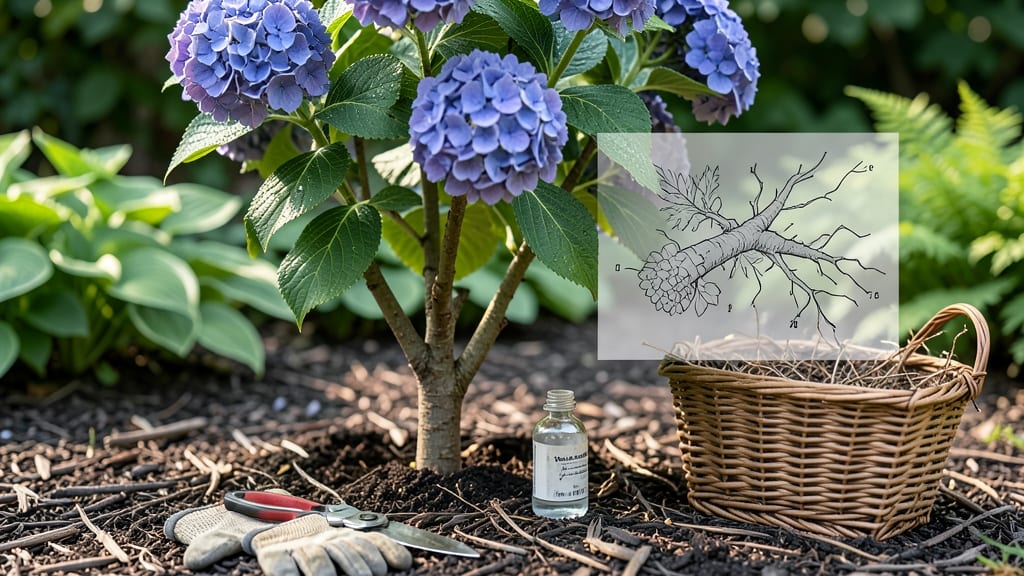
Pruning hydrangea trees transforms them from scraggly bushes into showstopping shrubs with bigger blooms and stronger growth—if you do it right. 🌿 I’ve turned my underwhelming hydrangea into a lush, flower-filled centerpiece by mastering the timing and technique, and you can too without cutting off next year’s blooms.
Start with the right tools: clean, sharp pruners for precise cuts, and a ladder if your tree is tall. The key is knowing when to prune—spring for some varieties, late summer for others—and how much to remove.
One wrong cut can mean fewer flowers next season, so we’ll focus on the exact steps that keep your hydrangea thriving.
📚 In This Guide
- What you need
- Instructions
- Tips and common mistakes
- Wrapping up and next steps
What you need
- ● Pruning shears or secateurs: Sharp, bypass-style shears (4-6" blade length) for clean cuts on smaller branches.
- ● Loppers: For thicker branches (1-2" diameter)—look for ratchet or anvil-style loppers with long handles for leverage.
- ● Pruning saw: For branches thicker than 2"—a curved-tooth pruning saw prevents tearing.
- ● Gloves: Heavy-duty, cut-resistant gloves to protect your hands from thorns and rough bark.
- ● Disinfectant (70% isopropyl alcohol or bleach solution): Clean tools between cuts to prevent disease spread.
- ● Rubbing alcohol or hand sanitizer: For wiping down tools and cleaning up sap.
- ● Tarp or drop cloth: Place underneath the tree to collect debris and protect your lawn.
- ○ Garden twine or zip ties: Optional—for supporting weak branches post-pruning.
- ● Weather check: Prune on a dry, cloudy day to reduce stress on the plant and avoid sunburn.
- ● Research your hydrangea type: Know whether it’s an old wood bloomer (e.g., Hydrangea macrophylla) or new wood bloomer (e.g., Hydrangea paniculata)—pruning timing varies!
- ● Safety gear: Sunglasses and long sleeves to protect from sap and UV rays.
- ● Extension ladder or stool: If your tree is tall—ensure it’s stable and non-slip.
Step-by-step guide to pruning hydrangea trees
Here’s how to keep your hydrangea tree thriving with the right cuts at the right time.
✂️ Step 1: Identify Your Hydrangea Type and Bloom Time
First, determine whether your hydrangea blooms on old wood (last year’s growth) or new wood (current season’s growth). Bigleaf hydrangeas (Hydrangea macrophylla) typically bloom on old wood, while panicle and oakleaf varieties (Hydrangea paniculata and Hydrangea quercifolia) bloom on new wood. This distinction dictates when and how you prune.
For old-wood bloomers, avoid heavy pruning in late winter or early spring—you risk removing next year’s flower buds. For new-wood bloomers, you can prune more aggressively in late winter or early spring without fear of cutting off potential blooms. Check your plant’s growth pattern: if it flowers on last year’s stems, wait until after blooming to prune.
✂️ Step 2: Prune at the Right Time of Year
For old-wood bloomers, the best time to prune is late summer to early fall, right after the flowers fade. This allows the plant to set next year’s buds before winter dormancy. If you must prune in late winter or early spring, limit cuts to removing dead or diseased wood only—never more than 20% of the plant’s total growth at once.
For new-wood bloomers, prune in late winter or early spring before new growth begins. This encourages fuller, more vibrant blooms later in the season. You’ll notice fresh, green shoots emerging in early spring—this is your cue that it’s safe to prune back old stems to just above a strong outward-facing bud.
✂️ Step 3: Remove Dead, Diseased, or Weak Growth
Start by inspecting your hydrangea tree for dead, diseased, or crossing branches. Dead wood appears dry, brittle, and often dark brown or gray, while diseased branches may show signs of mold, spots, or unusual wilting. Use clean, sharp pruning shears to make cuts just above a healthy outward-facing bud or node.
Crossing branches rub against each other, creating wounds that invite pests and disease. Remove these first, as they compete for energy and reduce airflow. Thin out crowded areas to improve light penetration and air circulation, which helps prevent fungal issues. Aim to create an open, vase-like shape that allows sunlight to reach the center of the plant.
✂️ Step 4: Shape and Thin for Airflow and Light
Once you’ve removed the dead, diseased, and crossing branches, focus on thinning out the interior to encourage new growth. Hydrangeas can become dense, which leads to fewer blooms and potential fungal problems. Step back and visualize the plant’s natural shape—aim for a balanced, open structure with room for airflow.
For old-wood bloomers, avoid heavy pruning of the main stems. Instead, prune back last year’s flower stalks to just above the first set of leaves or buds. For new-wood bloomers, you can cut back up to one-third of the plant’s height in late winter, but always leave at least 3-4 strong buds on each stem to ensure new growth.
✂️ Step 5: Clean Up and Monitor for Recovery
After pruning, sterilize your tools with rubbing alcohol to prevent spreading disease. Remove all pruned material from the area to reduce the risk of fungal spores lingering. Water the base of the plant deeply to help it recover, especially if you’ve made significant cuts.
Monitor your hydrangea over the next 4-6 weeks for new growth. Healthy stems will show fresh green shoots within 2-3 weeks of pruning. If you notice yellowing leaves, wilting, or no new growth, it may indicate over-pruning or stress. Adjust future cuts to be more conservative, focusing on removing only what’s necessary rather than reshaping aggressively.
Tips & tricks for perfect hydrangea pruning
Here's what nobody tells you about pruning hydrangeas—critical details that make all the difference between healthy blooms and struggling shrubs.
Timing is Everything: For old-wood bloomers, that late summer to early fall window is non-negotiable. I've seen gardeners miss this and end up with next year's flowers sacrificed. Mark your calendar for when your specific variety finishes blooming—this is your cue to prune. For new-wood types, early spring's green shoots are your signal to act before they harden off.
The 20% Rule: When instructions say "never more than 20% of the plant's total growth," they mean it. I learned this the hard way after pruning back too aggressively on my bigleaf hydrangea. The plant struggled for two seasons to recover. Use a tape measure if needed to track your cuts—this isn't a time for guesswork. For new-wood bloomers, that one-third height reduction is your maximum safe cut.
Bud Direction Matters: Always cut just above an outward-facing bud when shaping your hydrangea. This creates the open vase shape that allows sunlight to reach the center. I used to make cuts randomly, which led to dense growth and fewer blooms. Take the time to identify those buds—they're the future growth points for your plant. For old-wood varieties, focus on cutting last year's flower stalks back to the first set of leaves or buds below the faded blooms.
Recovery Monitoring: That 4-6 week recovery period is your chance to observe how well your pruning worked. Healthy stems should show fresh green shoots within 2-3 weeks. If you see yellowing leaves or no new growth after 4 weeks, you've likely over-pruned. This is when you need to adjust your approach for next year—sometimes less aggressive pruning is better than trying to reshape too dramatically. Keep a pruning journal to track what works best for your specific hydrangea varieties.
Pro Tips for Prune Hydrangea Tree
- Here's what nobody tells you about pruning hydrangeas—critical details that make all the difference between healthy b...
- Timing is Everything: For old-wood bloomers, that late summer to early fall window is non-negotiable. I've seen garde...
- The 20% Rule: When instructions say "never more than 20% of the plant's total growth," they mean it. I learned this t...
Frequently asked questions
about pruning hydrangea trees—because even experts need a little clarity! Here are answers to the most common questions to help you prune like a pro.When is the best time to prune my hydrangea tree?
Timing depends on your hydrangea type! For bigleaf (mophead/lacecap) hydrangeas, prune in late winter or early spring (before buds swell). For panicle or oakleaf types, prune in late winter or early summer after blooming. Always avoid pruning in fall—it can damage buds forming for next year!
How much can I cut back my hydrangea tree?
Never cut back more than 1/3 of the plant’s total growth in a single year. For bigleaf hydrangeas, trim old wood back to 2-3 healthy buds from the base. For panicle/oakleaf types, you can be bolder—cut back up to half the stem to encourage fuller growth. Over-pruning stresses the plant!
Will pruning affect my hydrangea’s flower color?
Yes! Flower color shifts with soil pH, not pruning—but you can influence bloom size and intensity. Pruning encourages larger, more vibrant blooms by redirecting energy. For blue flowers, test soil pH (aim for 5.5 or lower); for pink flowers, raise pH to 6.0 or higher. Feed with aluminum sulfate (blue) or lime (pink) as needed.
What if I prune at the wrong time and my hydrangea doesn’t bloom?
Don’t panic! If you pruned too late (after buds formed), you may lose that season’s blooms—but new growth will still emerge. Focus on next year’s pruning timing and fertilize lightly in spring. For bigleaf hydrangeas, blooms appear on old wood, so be extra gentle. Panicle/oakleaf types bloom on new wood, so they’re more forgiving!
Can I shape my hydrangea tree into a hedge or topiary?
Hydrangeas respond well to shaping, especially panicle or oakleaf varieties. Use hand pruners for fine details and hedge shears for larger cuts. Prune lightly in spring to maintain shape, then trim again in summer if needed. Avoid heavy cuts—hydrangeas prefer gradual shaping over drastic changes.
What should I do if my hydrangea has dead or diseased branches?
Remove any blackened, mushy, or hollow stems immediately—these can spread disease. Sterilize tools with rubbing alcohol between cuts. Prune back to healthy green wood and dispose of infected branches in the trash (not compost). After pruning, apply a fungicide if needed and improve airflow around the plant.
Wrapping up and next steps
Pruning your hydrangea tree doesn’t have to be intimidating—just follow the right timing, tools, and techniques to unlock vibrant blooms and lush growth! Whether you’re shaping for aesthetics or encouraging new flowers, consistency is key.
With a little patience and care, your hydrangea will reward you with stunning seasonal color year after year.
Ready to take the next step? Grab your pruners and give your hydrangea the love it deserves—your future blooms will thank you! 🌸✂️