
How To
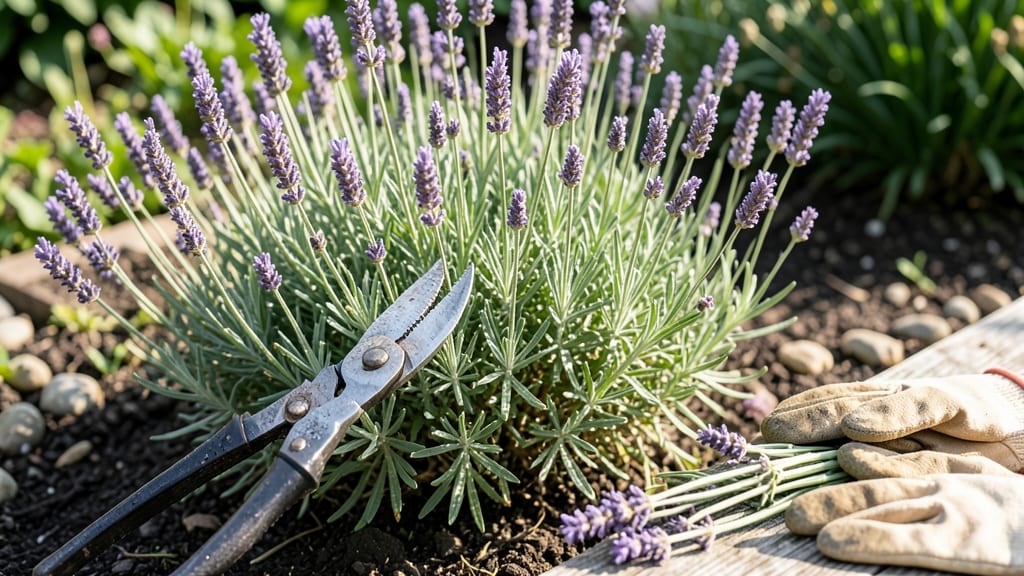
Pruning lavender plants isn't just about shaping—it's about unlocking fragrant, bushier growth that lasts all season. ✂️ I used to avoid pruning entirely, fearing I'd kill my plants, but after learning the right timing and technique, my lavender now thrives with dense, purple blooms that fill the air with that signature scent.
The key is pruning right after flowering (late spring to early summer) when the plant has finished blooming but before new growth hardens. Use sharp, clean shears to trim back about one-third of the plant's height, focusing on leggy stems and woody growth.
This encourages fresh, green shoots while keeping the plant compact and full.
📚 In This Guide
- What you need
- Instructions
- Tips and common mistakes
- Wrapping up and next steps
What you need
- ● Sharp, clean pruning shears – Bypass pruners (4–6 inch blades) are ideal for clean cuts. Sterilize with rubbing alcohol before and after use to prevent disease. Quantity: 1 pair.
- ● Hand pruners or garden scissors – For smaller stems or detailed trimming. Quantity: 1 pair.
- ● Gloves – Garden gloves (nitrile-coated for grip) to protect hands from spiky stems. Quantity: 1 pair.
- ● Disinfectant spray or rubbing alcohol – To sterilize tools between cuts. Quantity: Small bottle.
- ○ Garden twine or plant ties – Optional, for securing young stems if needed. Quantity: Small roll.
- ● Pruning saw – For thick, woody stems (rare in lavender but useful for older plants).
- ● Plant-based fungicide – Like neem oil (1% solution) to prevent fungal issues post-pruning.
- ● Notebook & pen – To sketch your lavender’s shape before pruning (great for beginners!).
- ● Mulch (gravel or pebbles) – To improve drainage around the base after trimming.
Step-by-step guide to pruning lavender plants
Here’s how to keep your lavender lush, fragrant, and full of life—without cutting it back too hard.
✂️ Step 1: Prune After Flowering (Late Summer to Early Fall)
This is the single most important pruning time for lavender. Wait until after the blooms fade—usually late August through September—when the flowers turn brown and the stems look spent. Cut back one-third of the current year’s growth using clean, sharp pruners. I like to trim just above a set of leaves or a healthy bud, never into bare wood.
Don’t rush this step. If you prune too early, you’ll cut off next year’s flowers. If you wait too long, the plant may look messy, but the flowers will already be gone. The goal is to shape the plant while preserving its natural form—lavender grows best when it’s slightly irregular, not perfectly rounded.
🌿 Step 2: Lightly Shape in Spring (Early to Mid-Spring)
In early spring, before new growth starts, give your lavender a quick once-over to tidy up any ragged edges or overly long stems. Use your fingers or small pruners to pinch off any dead or crossing branches. This keeps air circulating and prevents disease.
Here’s the thing—lavender is tough, but it hates being cut back heavily in spring. If you see any leggy growth, trim just the tips to encourage bushier sides. Avoid cutting into old wood, or you’ll leave the plant vulnerable to rot. Think of this as a light grooming session, not a major haircut.
⏰ Step 3: Deadhead and Maintain Year-Round
Throughout the growing season, keep an eye out for spent blooms. Snip them off as soon as they fade—this prevents the plant from wasting energy on seed production and encourages more flowers. I like to do this on a dry morning when the stems are firm, so they don’t tear.
If your lavender starts looking woody or leggy, you can do a light trim in late fall (after the first frost) to remove any dead or damaged stems. Just be gentle—lavender is slow to recover from heavy cuts. Think of this as a final touch-up before winter, not a full reset.
☀️ Step 4: Avoid Common Mistakes (What NOT to Do)
Never prune lavender in winter or early spring—this is when the plant is most vulnerable. Also, avoid cutting into old, woody stems. If you see bare wood, it’s too late to revive that branch, and cutting it back won’t help. Instead, focus on new growth.
I’ve seen people over-prune lavender, turning it into a stubby mess. Lavender thrives on light, infrequent cuts. If your plant looks sparse after pruning, it’s a sign you went too far. Next time, trim less and watch it bounce back with bushier, fragrant stems.
Tips & tricks for pruning lavender plants
These simple adjustments will help your lavender thrive year after year with minimal effort.
Timing is Everything: I can't stress this enough—pruning in late summer to early fall (after blooms fade) is non-negotiable for lavender. The plant needs this time to recover and set next year's flower buds. If you're unsure when your lavender bloomed, check for browned flower stems as your cue. This is when you should cut back one-third of the current year's growth, never more.
Tool Selection Matters: Never use dull or rusty pruners—they can damage stems and introduce disease. I keep a dedicated pair of sharp, clean pruners just for my lavender. For the light spring shaping, you can even use your fingers to pinch off dead growth. The key is to work with clean tools to prevent any issues down the line.
Visual Pruning Guide: When cutting back in Step 1, look for the transition point where green growth meets brown woody stems. This is where you should make your cut—never into bare wood. Think of it like giving your lavender a haircut where you're shaping the outer layer while preserving the inner structure. This creates that beautiful, bushy shape lavender is known for.
Seasonal Maintenance Strategy: Throughout the growing season, I keep a small pair of pruners handy for quick deadheading. The moment I notice a spent bloom, I snip it off immediately. This simple habit prevents seed production and redirects the plant's energy toward new growth. It's like giving your lavender a little energy boost every time you see a faded flower.
Pro Tips for Prune Lavender Plants
- These simple adjustments will help your lavender thrive year after year with minimal effort.
- Timing is Everything: I can't stress this enough—pruning in late summer to early fall (after blooms fade) is non-negotiable for lavender.
- Tool Selection Matters: Never use dull or rusty pruners—they can damage stems and introduce disease.
Frequently asked questions
Got questions about keeping your lavender lush and lovely? Here are answers to the most common ones—so you can prune like a pro!
When is the best time to prune lavender?
The ideal time is right after flowering (late spring to early summer). Avoid pruning in fall or winter—this can damage new growth. If you miss the window, a light trim in early spring (before buds form) is better than nothing, but avoid heavy cuts. Pro tip: Never prune more than 1/3 of the plant at once!
Can I prune lavender in winter?
Nope! Lavender is dormant in winter, and pruning now can invite disease or frost damage. If your plant looks ragged after winter, wait until early spring (when new growth appears) for a gentle cleanup. Exception: In mild climates (Zones 8+), a very light shape-up in late winter is okay—but skip heavy pruning!
What if I prune lavender at the wrong time?
Don’t panic! A minor mistake (like trimming too late) won’t kill your plant, but it may delay blooms or leave it leggy. If you’ve over-pruned, focus on watering deeply and fertilizing lightly (use a low-nitrogen feed). With patience, lavender often bounces back—just avoid pruning again for a full year.
How do I prune lavender if it’s woody or overgrown?
Reviving a severely woody lavender takes time! Start by trimming dead or yellowed stems at the base. For thick, leafless centers, use sharp shears to cut just above a leaf node (where new growth can sprout). Key rule: Never remove more than 1/3 of the plant in one go. Over 2-3 years, you’ll restore a bushier shape!
Do I need to sterilize my pruners when trimming lavender?
Yes!
Sterilizing pruners (with rubbing alcohol or a 10% bleach solution) prevents bacterial/fungal diseases like root rot or powdery mildew. Wipe blades before and after each plant, especially if you’ve trimmed other herbs or flowers. Bonus tip: Keep a small spray bottle of alcohol handy for quick cleanups in the garden!
What if my lavender doesn’t bloom after pruning?
Lavender needs sun, space, and patience to rebloom. If flowers are sparse, check for:
- Shade: Move to full sun (6+ hours/day).
- Over-fertilizing: Too much nitrogen = leaves, not flowers. Use a balanced or low-nitrogen fertilizer.
- Age: Older plants may bloom less—consider dividing or propagating.
Wrapping up and next steps
Pruning lavender doesn’t have to be intimidating—it’s all about timing, technique, and a little patience! 🌿 With the right tools and a gentle hand, you’ll encourage lush, fragrant blooms year after year.
Whether you’re trimming for shape, health, or harvest, remember: less is more—avoid over-pruning to keep your plants happy and thriving.
Now that you’re armed with expert tips, grab those shears and get pruning! 🌸 Start small, observe your plant’s response, and soon you’ll have a perfectly shaped, aromatic lavender garden that’s the envy of the neighborhood. Happy pruning!