
How To
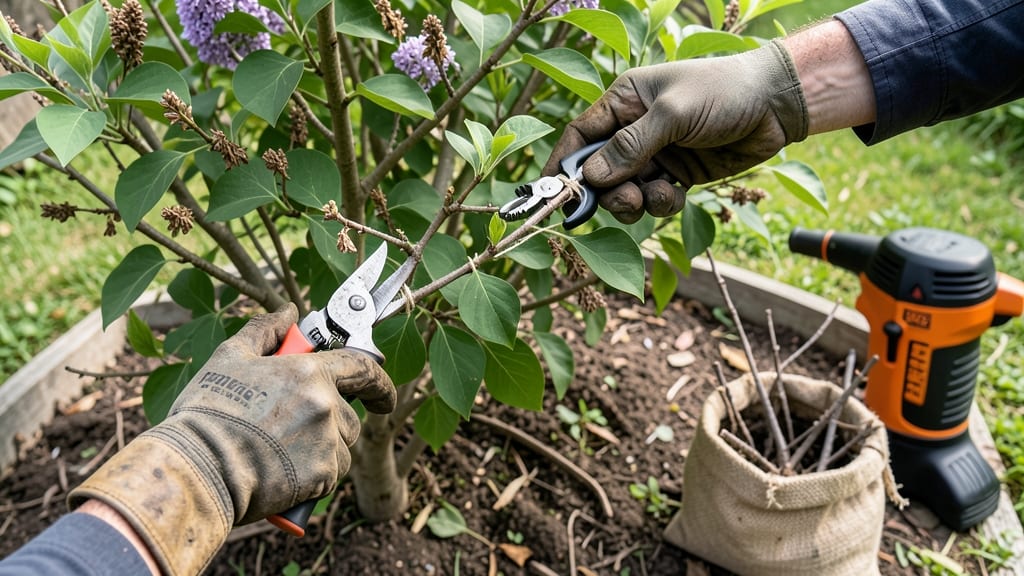
Pruning lilac bushes after their spring bloom transforms them from overgrown tangles into neat, productive shrubs that flower even more spectacularly next year. ✂️ I’ve pruned my lilacs for years, and there’s a specific window and technique that makes all the difference—cutting at the wrong time or the wrong way can leave you with sparse blooms or leggy stems.
The secret lies in timing: prune right after flowering (late May to early June) and always cut just above a set of leaves or bud, never into old wood.
Grab your loppers and gloves, then focus on removing about one-third of the oldest stems at the base—this forces fresh growth and keeps the bush compact. Just three strategic snips can revive even the most unruly lilac.
📚 In This Guide
- What you need
- Instructions
- Tips and common mistakes
- Wrapping up and next steps
What you need
- ● Pruning shears or bypass pruners – Sharp, clean, and capable of cutting ¼-inch stems. (1 pair)
- ● Loppers – For thicker branches (½-inch or larger). (1 pair)
- ● Gloves – Heavy-duty, cut-resistant gloves to protect your hands. (1 pair)
- ● Disinfectant (rubbing alcohol or bleach solution) – To sterilize tools between cuts and prevent disease. (small bottle or spray)
- ● Garden twine or zip ties – For securing branches if needed. (small roll)
- ● Trash bags or bucket – For collecting pruned branches and debris. (1-2 bags or a 5-gallon bucket)
- ● Pruning saw – For stubborn, thick stems that won’t budge with loppers.
- ● Hand pruners with a bypass blade – For precision cuts on smaller branches.
- ● Knee pads or stool – For comfort if your lilac is tall or dense.
- ● Spray bottle with water – To mist cuts and reduce stress on the plant.
- ● Marking twine or flags – To label branches you’re unsure about.
Step-by-step instructions for pruning lilac bushes
Here's the straightforward method I use every spring to keep my lilacs blooming like crazy.
✂️ Step 1: Time Your Pruning for Maximum Blooms
Prune lilacs immediately after they finish flowering—never in fall or winter. This timing ensures next year's buds form properly on last year's growth. You'll know it's time when spent blooms turn brown and drop naturally. If you prune too early, you risk cutting off next season's flowers.
Use sharp, clean pruners to make cuts at a 45-degree angle just above a leaf bud or branch junction. Never leave stubs—this invites disease. I always prune on a dry morning when the bushes are completely dormant, which usually means late May or early June depending on your climate.
✂️ Step 2: Remove Dead, Weak, and Crowded Branches
Start by removing any dead, diseased, or crossing branches first. Dead wood has a hollow center when you tap it lightly. Weak branches are thin and pale compared to healthy stems. Cut these back to the main trunk or to a strong outward-growing branch.
Next, thin out crowded branches to improve airflow. Aim to keep the center of the bush open—this prevents fungal issues and makes future pruning easier. I like to step back every few cuts and visualize the bush's shape. Remove no more than one-third of the plant's total growth in any single year.
✂️ Step 3: Shape and Renew the Bush
For established bushes, cut back the oldest stems by about one-third of their length to encourage new growth. These are usually the thicker, woody stems. Make your cuts just above an outward-facing bud to promote bushier growth.
For younger bushes, simply trim to maintain their natural shape. Avoid heavy pruning—they'll need all their energy to establish strong root systems. After pruning, rake up and dispose of all clippings to prevent disease from overwintering in the yard.
🌿 Step 4: Clean Up and Monitor Growth
Once all cuts are made, clean your pruners with rubbing alcohol to prevent spreading disease. Water the base of the bush thoroughly to help it recover. You'll see new shoots emerging within 4-6 weeks—this is your reward for proper timing.
Watch for new growth at the base of cut branches. If you notice any yellowing leaves or blackened stems, prune those areas immediately and consider applying a fungicide. Lilacs are tough plants, but they'll reward you with even more spectacular blooms next year if you keep them healthy.
Tips & tricks for pruning lilac bushes
Here's what nobody tells you about keeping your lilacs thriving after the initial snips.
Timing is Everything: The critical window for pruning lilacs is that brief moment after blooms fade but before new buds form. I learned this the hard way after cutting too early and sacrificing next year's flowers. Watch for those spent blooms to turn brown and drop naturally—this is your cue. Late May or early June works for most climates, but check your local frost dates to be safe.
The 45-Degree Angle Secret: Making cuts at a 45-degree angle just above a leaf bud isn't just about aesthetics—it's about directing water away from the cut to prevent rot. I always visualize a tiny roof that sheds rain. This simple technique can extend the life of your cuts by years. And never leave stubs! Those little nubs invite disease like a welcome mat.
Visualize Before You Snip: Step back every few cuts and look at your bush from all angles. You're not just pruning branches—you're sculpting next year's blooms. I like to imagine the bush as an umbrella, keeping the center open for airflow while maintaining a rounded silhouette. This one habit has transformed my lilacs from tangled messes to show-stopping bushes.
Disease Prevention Starts Now: Cleaning your pruners with rubbing alcohol between cuts might seem like overkill, but it's the difference between healthy bushes and a fungal nightmare. I keep a small bottle of alcohol in my gardening bucket and wipe blades after every 5-10 cuts. Also, never compost lilac clippings—they can harbor diseases that overwinter in your yard.
Pro Tips for Prune Lilac Bushes
- Here's what nobody tells you about keeping your lilacs thriving after the initial snips.
- Timing is Everything: The critical window for pruning lilacs is that brief moment after blooms fade but before new bu...
- The 45-Degree Angle Secret: Making cuts at a 45-degree angle just above a leaf bud isn't just about aesthetics—it's a...
Frequently asked questions
Got questions about pruning lilacs? You’re not alone! Here are answers to the most common concerns—so you can confidently shape your bushes and keep those fragrant blooms coming back year after year.
When is the best time to prune lilac bushes?
The ideal time is right after they finish blooming in late spring or early summer. Avoid pruning in fall or winter, as this can stimulate new growth that may get damaged by frost. If you miss the window, never prune in late summer—it cuts off next year’s flower buds!
How much can I cut back my lilac bush?
For established bushes, you can safely remove up to ⅓ of the oldest wood (the thickest stems at the base). For rejuvenation, cut back ⅔ of the oldest stems to the ground—just leave the newer, thinner growth. Over-pruning (more than ⅓) stresses the plant and may reduce blooms.
What if my lilac bush isn’t blooming after pruning?
Lilacs bloom on old wood, so aggressive pruning (like cutting back all stems) can delay or stop flowers. Focus on removing only the oldest stems and avoid pruning too late in the season. If it still skips blooms, it may need more sunlight or balanced fertilizer.
Can I prune lilacs in fall or winter?
Nope! Pruning in fall or winter removes next year’s flower buds, which form on last year’s growth. If you must prune outside the spring/summer window, wait until late winter (just before buds swell)—but spring is still best for most regions.
What if my lilac bush looks leggy or overgrown?
Leggy lilacs often need rejuvenation pruning: Cut back ⅔ of the oldest stems to the ground in early spring. This encourages fresh, bushier growth. Thin out crowded branches too—aim for an open center to improve airflow and sunlight for all stems.
Still unsure? Snap a photo of your lilac’s shape and growth pattern—most pruning questions come down to timing, stem age, and balance!
Wrapping up and next steps
Pruning your lilac bushes doesn’t have to be intimidating—just a few strategic snips can transform them into blooming stars! 🌸 Remember to time it right in early spring, use sharp tools, and focus on shaping while removing dead wood.
With these steps, your lilacs will reward you with vibrant, fragrant blooms for years to come.
Now that you’re armed with the know-how, grab those shears and give your lilacs the TLC they deserve! Ready to see the difference? Check out our guide on fertilizing for even more lush growth! 🌿