
How To
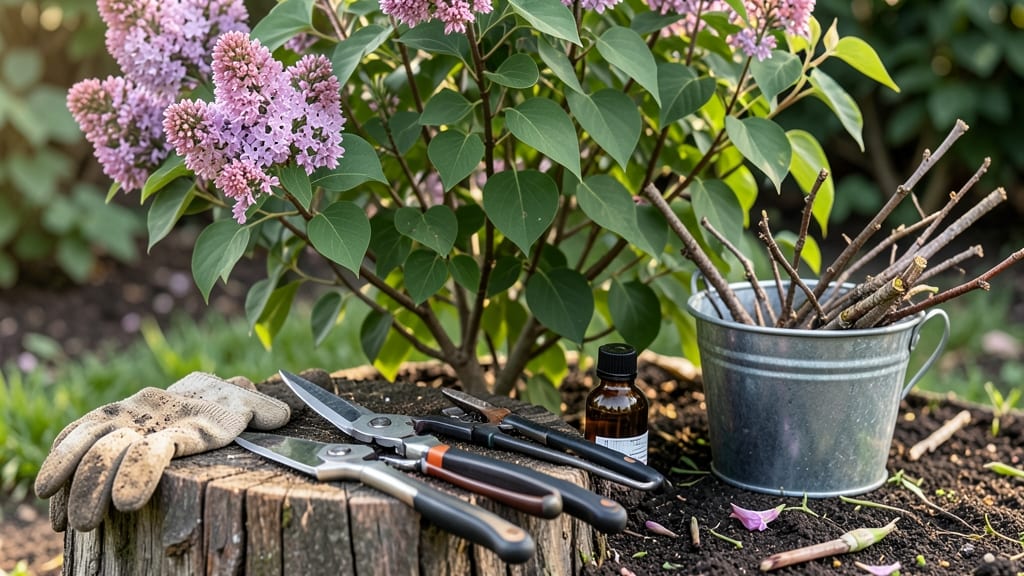
Pruning lilacs after their spring blooms ends is the secret to longer, more abundant flowers next year. ✂️ I’ve watched my own bushes double their blooms by following this simple timing rule: cut back immediately after flowering, while the stems are still green but before summer growth kicks in.
The key is patience—lilacs bloom on old wood, so pruning too early means lost flowers this season. You’ll need just three tools: sharp bypass pruners, loppers for thicker stems, and a bucket for clippings.
Start by removing any dead, crossing, or weak branches first, then cut back the remaining stems by one-third to encourage bushier growth. Avoid heavy pruning—lilacs respond best to gradual shaping over time. The result? A fuller bush with stronger stems that support even more blooms in years to come.
📚 In This Guide
- What you need
- Instructions
- Tips and common mistakes
- Wrapping up and next steps
What you need
- ● Bypass pruners – Sharp, clean pruners (4-6" blades) for cutting small to medium stems (avoid anvil pruners—they crush stems). Pro tip: 💡 Sharpen blades before use!
- ● Loppers – For thicker branches (8-10" blades). Look for ratcheting or bypass styles for precision.
- ● Pruning saw – For stubborn, woody stems (8-12" blade). A curved-tooth saw prevents tear-out.
- ● Gloves – Heavy-duty gardening gloves (nitrile-coated) to protect hands from thorns and sap.
- ● Disinfectant (70% rubbing alcohol or bleach solution) – Clean tools between cuts to prevent disease spread.
- ● Extension pole pruners – For tall lilacs (10-12 ft reach). Bonus: 🌡️ Saves your back!
- ● String or flagging tape – Mark branches to prune (great for large shrubs).
- ● Trash bags or bucket – Collect clippings for compost or disposal.
- ● Safety glasses – Protect eyes from debris, especially when sawing.
- ● Check the weather forecast – Aim for a dry, calm day (no rain for 24 hours).
- ● Wear long sleeves and pants – Lilac thorns are no joke! 😅
- ● Have a clear workspace – Remove weeds or obstacles around the shrub.
Step-by-Step instructions for pruning lilacs
Here's the straightforward approach I use every spring to keep my lilacs blooming beautifully for years.
✂️ Step 1: Wait for the Right Time
Prune lilacs immediately after they finish flowering but before new growth hardens into wood—typically 4-6 weeks after blooms fade. This timing ensures you don't cut off next year's flower buds, which form on old wood. Watch for when the leaves are fully open but stems still feel soft when squeezed.
If you prune too early, you risk removing flower buds that haven't formed yet. If you wait too long, the plant will have already set next year's blooms, and your cuts will be too late. I mark my calendar right after the last lilac bloom drops to remember the 30-day window I have to act.
✂️ Step 2: Remove Dead or Weak Wood
Start by cutting out any dead, diseased, or crossing branches at the base. Use sharp bypass pruners to make clean cuts just outside the branch collar—the swollen area where the branch meets the trunk. This prevents unsightly stubs and promotes faster healing. I always disinfect my tools with rubbing alcohol between cuts to prevent spreading disease.
Next, look for branches growing inward toward the center of the plant. These compete for space and light, weakening the plant. Remove them completely at their origin. You'll know you're doing it right when the plant's center opens up, letting light and air circulate freely through the branches.
✂️ Step 3: Thin Out Overcrowded Branches
Selectively remove 1/3 of the oldest stems at ground level to encourage new growth. Lilacs naturally produce flowers on last year's growth, so thinning older stems prevents the plant from becoming overcrowded and promotes larger, more abundant blooms. I start with the thinnest stems first—they're usually the oldest and least productive.
Make your cuts at a 45-degree angle just above an outward-facing bud. This angle helps water run off the cut and prevents it from sitting in the wound. Step back occasionally to visualize the plant's shape—you want to maintain a natural, open form rather than a dense, bushy appearance.
✂️ Step 4: Shape the Plant Lightly
For a more manicured look, lightly trim the remaining branches to encourage bushier growth. Focus on the outer edges, cutting back 1/4 to 1/3 of the branch length just above a leaf bud. Avoid heavy pruning in the center, as this can create a "hole" that's difficult to fill in.
I like to step back every few minutes to check my progress. The goal is to maintain the plant's natural shape while encouraging more flowers. If you see any branches that are rubbing against each other, trim one of them now to prevent future damage. Lilacs are forgiving, but a little attention now saves a lot of cleanup later.
💧 Step 5: Clean Up and Fertilize
After pruning, remove all clippings and dispose of them in the trash—not the compost pile—to prevent disease from spreading. Rake up any fallen leaves or debris around the base of the plant. Once the area is clean, apply a balanced, slow-release fertilizer (like 10-10-10) to encourage new growth.
Water the plant deeply right after fertilizing to help the roots absorb the nutrients. Mulch around the base with 2-3 inches of organic mulch, keeping it a few inches away from the trunk to prevent rot. This protects the roots from temperature swings and retains moisture for the plant's recovery.
Tips & tricks for perfect lilac pruning
Pruning lilacs right can make all the difference between sparse blooms and a showstopping display. Here's what I've learned after years of trial and error.
Timing is Everything: The 4-6 week window after blooms fade is your sweet spot. I set a reminder on my phone for 30 days after the last lilac bloom drops—this ensures I catch the perfect moment when stems are still soft but buds for next year haven't fully formed. Confession: I skipped this once and ended up with half the expected flowers the next spring. Don't make my mistake!
Tool Prep Matters: Always disinfect your pruners with rubbing alcohol between cuts in Step 2. I learned this the hard way when a diseased branch spread to healthy ones. Also, make sure your bypass pruners are sharp—dull blades crush stems instead of making clean cuts, which stresses the plant. A quick test: if you're struggling to cut through a pencil with your pruners, they need sharpening.
Visual Cues for Better Cuts: When thinning branches in Step 3, look for the outward-facing buds—they're the little bumps on the stem. Cutting just above these at a 45-degree angle (like the instructions say) creates a natural water runoff path. Pro tip: Step back every few cuts to visualize the plant's shape. You'll notice how much better light and air flow through the center when you do this right.
Post-Prune Care: That 2-3 inches of organic mulch in Step 5 isn't just decoration—it's protection. I've seen plants struggle when mulch touches the trunk (it causes rot), so always keep it a few inches away. Also, water deeply right after fertilizing to help roots absorb those nutrients. Think of it like giving your lilac a drink after a big meal.
Pro Tips for Prune Lilacs
- Pruning lilacs right can make all the difference between sparse blooms and a showstopping display.
- Timing is Everything: The 4-6 week window after blooms fade is your sweet spot.
- Tool Prep Matters: Always disinfect your pruners with rubbing alcohol between cuts in Step 2.
Frequently asked questions
Got questions about pruning lilacs? You’re not alone! Here are answers to the most common concerns—from timing to troubleshooting—to keep your lilacs thriving.
When is the best time to prune lilacs?
Prune lilacs right after they finish blooming (late spring to early summer). This ensures you don’t cut off next year’s flower buds, which form on old wood. Avoid pruning in fall or winter, as it can stimulate late-season growth that’s vulnerable to frost damage.
How much can I cut back my lilac bush?
Never remove more than 1/3 of the plant’s total growth in one year. For mature bushes, lightly trim back last year’s growth (the stems with flower clusters) to encourage healthier blooms. Over-pruning can stress the plant and reduce flowering.
What if I prune my lilacs at the wrong time?
If you prune lilacs before they bloom, you’ll likely cut off next year’s flowers. If pruned too late (after buds form in summer), you risk stunted growth. Don’t panic—lilacs are resilient! Just adjust your timing next year and focus on maintaining shape.
Can I prune lilacs in the fall?
Fall pruning is not recommended because it can encourage tender new growth that won’t survive winter. If you must prune (e.g., for safety), do it lightly in early fall and avoid heavy cuts. Spring is always the safest bet!
What if my lilac isn’t blooming after pruning?
Lilacs need 3-4 years of maturity to bloom well. If yours is older but still sparse, check for:
If the issue persists, it might be time to replant in a sunnier spot.
Wrapping up and next steps
Pruning lilacs might seem intimidating, but with the right timing and technique, you’ll reward yourself with vibrant blooms year after year! 🌸 Remember to prune right after flowering, use sharp tools, and never cut more than 1/3 of the plant to keep it healthy.
Now that you’re armed with these tips, grab your shears and get ready to transform your lilacs into a fragrant, flourishing centerpiece.
Your next step? Mark your calendar for next spring and enjoy the process—your future blooms will thank you! 🌿