
Pruning
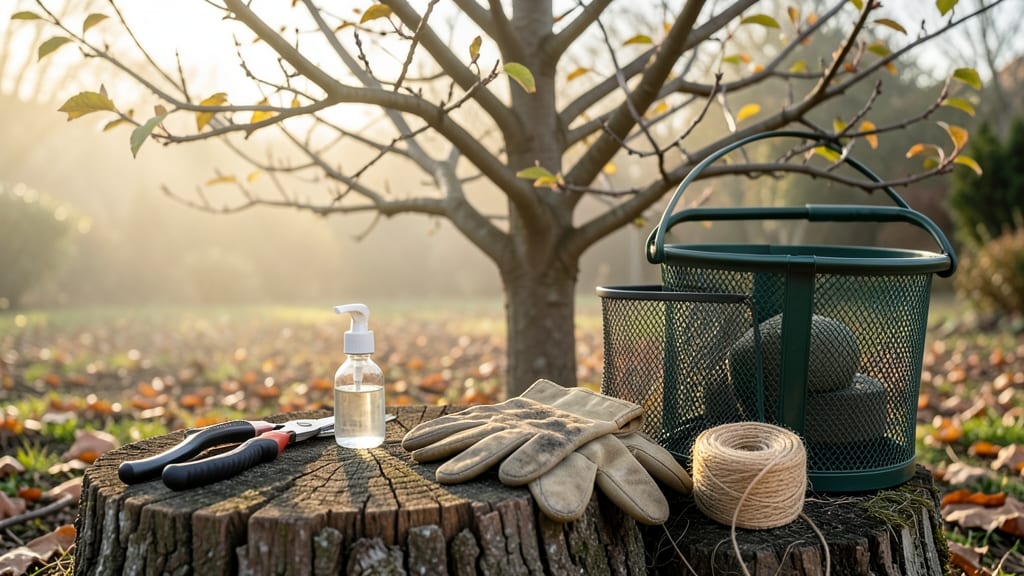
Fall pruning peach trees isn’t just about shaping branches—it’s about setting your tree up for explosive spring growth and fewer problems next season. 🌿 I’ve pruned mine every autumn for years, and the difference in fruit production and tree vigor is night-and-day.
The key is timing: wait until leaves drop but before hard frost hits, usually late October to early November in most zones.
You’ll need sharp pruners, a ladder (for taller branches), and a bucket to collect debris—no fancy tools, just the right approach. The goal is to open the canopy for sunlight and air flow, which cuts down on fungal diseases like brown rot (a peach tree’s worst enemy).
Start by removing dead, crossing, or diseased branches first, then thin out crowded growth to let light reach the center.
What you’ll end up with is a tree that wakes up in spring with stronger branches, fewer suckers at the base, and more energy focused on fruit production. The pruning wounds heal faster in cooler weather, and you avoid the stress of summer pruning when pests are most active.
Just avoid heavy pruning if late-season growth appears—wait until next year for that.
This method works for both young trees and mature ones, though older trees may need more gradual thinning. The payoff? Fewer broken limbs in storms, better fruit quality, and a tree that looks like it belongs in a professional orchard. Let’s get those branches trimmed!
📚 In This Guide
- What you need
- Instructions
- Tips and common mistakes
- Wrapping up and next steps
What you need
- ● Pruning shears (bypass pruners) – Sharp, clean, and disinfected (70% isopropyl alcohol works great). Look for 5- to 8-inch blades for medium branches.
- ● Loppers – For thicker branches (up to 2 inches in diameter). Opt for bypass-style to avoid crushing wood.
- ● Hand saw or pruning saw – For branches larger than 2 inches. A curved-tooth saw prevents tear-out.
- ● Gloves – Heavy-duty, cut-resistant (think leather or Kevlar) to protect from thorns and splinters.
- ○ Disinfectant (optional but recommended) – 1 part bleach to 9 parts water or rubbing alcohol to sterilize tools between cuts and prevent disease spread.
- ○ Pruning sealant (optional) – Tree wound dressing (like Tanglefoot Tree Wound Pruning Sealer) for large cuts over ½ inch in diameter.
- ● Ladder or step stool – If your tree is taller than 6 feet, ensure it’s stable and non-slip.
- ● Heavy-duty trash bags – For collecting pruned branches and debris (a 50-gallon contractor bag works well).
- ● Sharpie or marker – To label branches you’re unsure about (e.g., "Remove?" or "Keep?").
- ● Weather check – Prune on a dry, calm day (avoid wind or rain). Ideal temps: 50–70°F.
- ● First aid kit – Just in case! Include bandages, antiseptic wipes, and tweezers for splinters.
- ● Water and snacks – Pruning can take a while, so stay hydrated and energized!
- ● Tree health assessment – Inspect your tree for diseases (e.g., leaf curl, brown rot) or pests (e.g., peach tree borers) before pruning.
Step-by-step instructions for pruning peach trees in fall
Fall pruning sets your peach tree up for explosive spring growth—here’s how to do it right without stressing the wood.
✂️ Step 1: Time Your Pruning for Late Fall
Prune 4-6 weeks before your first hard frost when temperatures stay above 40°F. This timing lets wounds heal before winter dormancy, reducing disease risk. You’ll see fresh, green leaves still clinging to branches—this is your cue that the tree has entered dormancy but isn’t yet vulnerable to cold damage.
I like to wait until after the first light frost but before heavy leaf drop. If you prune too early, new growth might sprout before winter, which weakens the tree. If you wait too late, the tree’s energy is already focused on dormancy, and healing slows dramatically.
🌿 Step 2: Remove Dead, Diseased, and Weak Wood First
Start by cutting out any branches that are dead, broken, or diseased—these are your top priorities. Dead wood is easy to spot: it’s gray, brittle, and snaps when you bend it. Diseased branches often have blackened cankers, oozing sap, or fungal growth (like powdery white patches). Use sterilized pruners (wipe blades with rubbing alcohol between cuts) to avoid spreading pathogens.
Next, look for weak, crossing, or rubbing branches—these compete for resources and create entry points for pests. Thin these out at the branch collar (the swollen area where the branch meets the trunk). Never leave stubs; always cut just outside the branch collar for clean, fast healing.
☀️ Step 3: Open the Canopy for Sunlight and Airflow
Peach trees need good airflow to prevent fungal diseases like brown rot. Step back and visualize the tree’s shape—aim for an open, vase-like form with a dominant central leader. Remove upward-growing branches that crowd the center and suckers growing from the base or trunk.
Cut back last year’s growth by about one-third to encourage new, vigorous shoots in spring. Focus on outer branches first to let sunlight penetrate to the center. You’ll see a noticeable difference in how light filters through the canopy—this is your goal.
⏰ Step 4: Thin Out Water Sprouts and Overcrowded Growth
Water sprouts are the fast-growing, vertical shoots that shoot up from the trunk or main branches. These steal energy from fruit production. Use your pruners to cut these back to a lateral branch or remove them entirely if they’re small. These sprouts often appear bright green and thin, standing out against thicker, woodier branches.
If your tree has too many branches competing for space, thin them out to 6-8 inches apart along the main scaffold branches. This spacing ensures each branch gets enough light and nutrients. Avoid excessive pruning—never remove more than 25% of the tree’s foliage in one season.
🪴 Step 5: Clean Up and Protect the Tree
After pruning, collect and dispose of all debris—especially diseased branches. Don’t compost them; burning or trash disposal prevents reinfection. Sterilize your pruners again with rubbing alcohol to kill any lingering pathogens.
Apply a thin layer of wood sealant (like pruning paint) to large cuts over ½ inch in diameter to protect against disease and pests. This step is optional for small cuts but critical for any wounds bigger than a pencil. Finish by watering the base deeply to help the tree recover from the stress of pruning.
Tips & tricks for perfect fall peach tree pruning
These late-season tricks will help you prune like a pro—without stressing your tree or yourself.
The Timing Secret: If you're unsure about your local frost date, check your average first frost date and count back 6 weeks as your target. I always double-check by observing my tree—when about 20% of leaves remain but are still green (not brown), that's your perfect window. This timing ensures the tree has enough energy to heal before winter dormancy.
Branch Identification: For Step 2, here's how to spot diseased wood beyond the basics: Look for sunken areas on branches where the bark looks like it's been pushed inward, or gumming (sticky sap) that indicates fungal infection. If you see white, cottony growth (like mold), that's a clear sign of brown rot—cut it out immediately and sterilize your tools. The goal is to remove these before they spread to healthy branches.
Canopy Visualization: In Step 3, when shaping your tree, imagine sunlight streaming through the branches from above. You want no overlapping branches that would block light or trap moisture. A good rule of thumb: If you can't see the trunk through the center of the canopy, you need to thin more. This open structure prevents fungal diseases and encourages fruit production in spring.
Watering Wisdom: After pruning, give your tree deep watering—not just a quick sprinkle. Water slowly until it seeps into the soil about 12 inches deep. This helps the tree recover from the stress of pruning and encourages root growth. I like to water in the early morning so the foliage has time to dry before evening, reducing fungal risks.
Pro Tips for Prune Peach Trees In Fall
- These late-season tricks will help you prune like a pro—without stressing your tree or yourself.
- The Timing Secret: If you're unsure about your local frost date, check your average first frost date and count back 6 weeks as your target.
- If you see white, cottony growth (like mold), that's a clear sign of brown rot—cut it out immediately and sterilize your tools.
Frequently asked questions
Got questions about fall pruning for your peach trees? You’re not alone! Here are some of the most common concerns—and their answers—to help you prune like a pro.
When is the exact best time to prune peach trees in fall?
Prune your peach tree after leaf drop (late fall) but before the ground freezes—typically between November and early December in most climates. This timing balances disease prevention (avoiding wet spring conditions) with winter dormancy prep. Skip pruning in late winter, as peach trees are highly susceptible to silver leaf fungus during this period.
Can I prune peach trees in early fall (September/October)?
While light shaping is fine in early fall, avoid heavy pruning before October. Early cuts can stimulate new growth, which won’t harden off before winter and may die back. Save major pruning for late fall to protect your tree’s health and fruit production next year.
What if I see peach tree branches with brown, dead spots after pruning?
Brown, dead spots are often bacterial canker or silver leaf disease—common in peach trees. Sterilize tools with rubbing alcohol between cuts, avoid pruning in wet weather, and remove infected branches at least 6 inches below the damage. Dispose of infected wood immediately (don’t compost!).
Will pruning in fall reduce next year’s peach harvest?
Not if done correctly! Proper fall pruning boosts fruit production by improving airflow and sunlight. Focus on removing dead, crossing, or water-sprout branches—never cut more than 25% of the canopy. Healthy structure = more peaches! Just avoid pruning flower buds (they form in late summer).
What if it’s too cold to prune my peach tree?
If temps drop below 40°F (4°C), wait until spring (but avoid late winter due to disease risk). Cold weather stresses trees, and sap flow slows, making cuts heal poorly. If you must prune in chilly conditions, do it on a dry, sunny day and seal larger cuts with pruning sealant (though healthy trees rarely need it).
Wrapping up and next steps
Pruning your peach tree in the fall is a game-changer for next year’s harvest—it boosts airflow, removes weak branches, and sets the stage for healthier, fruitier growth. 🌱 With the right tools, timing, and technique, you’re already ahead of the curve!
Now that you’re armed with the know-how, take action: grab your pruners, step outside, and give your tree the TLC it deserves. Your future peach pies (or fresh snacks!) will thank you!
💡 Pro tip: Mark your calendar for late winter too—early pruning before buds swell is another key to success!