
Pruning
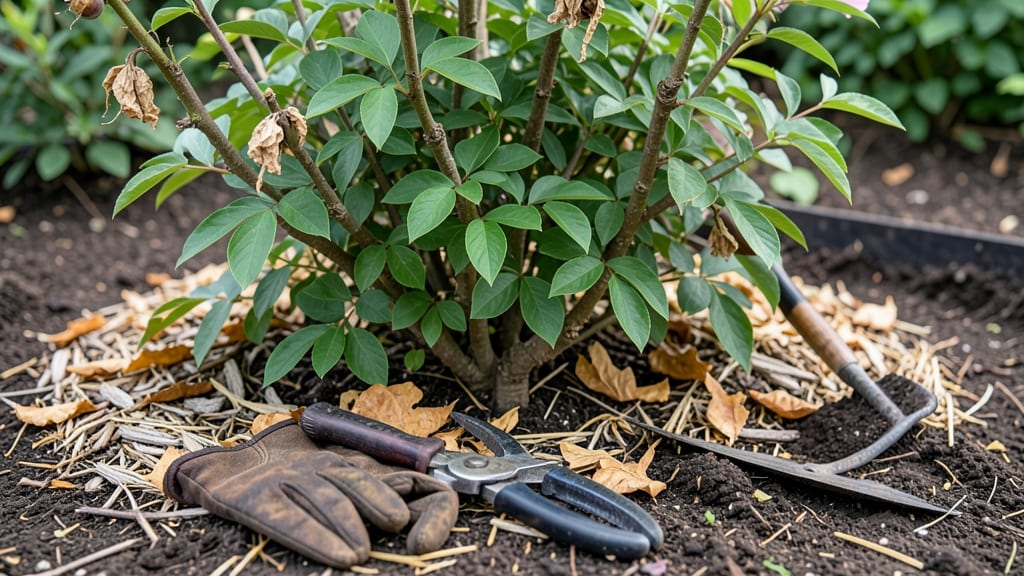
Pruning peonies in winter isn’t just about tidying up—it’s the secret to next year’s showstopping blooms. ✂️ I’ve watched my own peonies go from sad, overgrown clumps to lush, flowering giants by mastering this one late-fall cut. The key?
Timing, sharp tools, and knowing exactly where to slice—without overdoing it. Most gardeners wait until after the first hard frost when foliage turns brown and crispy. That’s when the plant’s energy has fully retreated underground, making it safe to trim.
Grab clean, sharp pruners (dull blades crush stems and invite disease) and cut back every stem to 2 inches above the ground. Leave those stubs—peony buds form right at the base, and you don’t want to accidentally snip them off.
You’ll notice new growth in early spring that’s thicker and more vigorous than before. The plants will reward you with larger, more abundant blooms by summer, and they’ll stay healthy for decades. Just avoid the temptation to prune too early or too late—both can stress the plant.
Works for zones 3-8, though in milder climates, you might delay until early winter. And here’s the golden rule: if you’re unsure, leave it alone—peonies are forgiving, but they’ll forgive you more if you wait for the right moment.
📚 In This Guide
- What you need
- Instructions
- Tips and common mistakes
- Wrapping up and next steps
What you need
- ● Bypass pruners – Sharp, clean, and disinfected (avoid anvil pruners—they crush stems). Look for 5-inch handles for precision.
- ● Garden shears or loppers – For thicker stems (if your peony bush is mature). Choose bypass-style with 4- to 6-inch blades.
- ● Rubbing alcohol (70% isopropyl) or bleach solution – To disinfect tools and prevent disease spread. Mix 1 part bleach to 9 parts water if using.
- ● Gloves – Garden or work gloves (preferably nitrile-coated for grip and protection from thorns).
- ● Buckets or bags – For collecting pruned foliage and stems. A 5-gallon bucket or heavy-duty trash bags work well.
- ○ Garden twine or labels – Optional but helpful for marking newly pruned bushes if you have multiple varieties.
- ● Knee pads – Because pruning peonies often means getting down low! Look for gel or foam padding for comfort.
- ● Pruning saw (if needed) – For very thick stems (over 1-inch in diameter). A folding pruning saw is a great space-saving option.
- ● Compost bin or mulch – To recycle pruned material into nutrient-rich compost for next season.
- ● Hand lens or magnifying glass – Useful for spotting pests or diseases on stems before pruning.
- ● Weather-appropriate clothing – Long sleeves and pants to protect from thorns, plus a light jacket if working in chilly conditions.
Step-by-step instructions for pruning peonies in winter
Here's the precise timing and technique I use every year to keep my peonies thriving.
⏰ Step 1: Wait for the Right Time to Prune
Peonies need patience—never prune until after the first hard frost when foliage has turned brown and crispy. This signals the plant has entered dormancy and stored energy for next year's blooms. I always check for completely brown stems before touching my shears.
If you prune too early, you risk removing leaves that are still photosynthesizing, which weakens the plant's energy reserves. If you wait too late, the plant may struggle to push new growth in spring. The ideal window is late fall to early winter, typically November through January depending on your climate zone.
✂️ Step 2: Cut Back to the Ground with Clean Cuts
Use sharp, clean pruners to make your cuts—dull blades crush stems and invite disease. I angle my cuts slightly downward, about ¼ inch above the ground, to prevent water from pooling on the stub. This small detail keeps rot at bay.
Don't leave any stubs taller than 1-2 inches—this encourages weak growth and attracts pests. The goal is to remove all foliage completely while leaving the crown (the swollen base where buds form) undisturbed. This protects the plant's energy storage system for spring.
🌱 Step 3: Remove and Dispose of Old Foliage
Gather all the pruned foliage and dispose of it immediately in the trash—not compost—because peony foliage often carries fungal spores that can overwinter. I always wear gloves for this step to avoid spreading any potential pathogens to other plants.
If you notice any blackened or mushy stems during pruning, these are signs of botrytis blight. Remove these stems separately and dispose of them far from your garden to prevent reinfection. Healthy stems should be dry and papery, not soft or discolored.
🪴 Step 4: Mulch the Crown for Winter Protection
After pruning, spread a 3-4 inch layer of organic mulch (like shredded bark or straw) around the base of the plant, keeping it 6 inches away from the crown to prevent rot. This insulates the roots from extreme cold while allowing moisture to drain.
I avoid heavy mulches like wood chips that can compact and suffocate the plant. The mulch should feel light and airy—think of it as a cozy blanket that keeps the soil temperature stable. In colder climates, you might need to add an extra layer of mulch or even a protective cover of burlap.
☀️ Step 5: Monitor and Prepare for Spring Growth
Leave the mulch in place through winter, but check occasionally for signs of heaving (when soil freezes and expands, pushing plants out of the ground). If this happens, gently push the crown back into the soil and add more mulch around it.
In early spring, when new shoots appear, remove the mulch gradually to avoid shocking the emerging buds. You'll know you've done everything right when you see bright green, healthy shoots by late winter—this means your peony is ready to burst into bloom.
Tips & tricks for pruning peonies for winter
Took me years of trial and error to perfect these peony-pruning secrets—trust me, these details make all the difference for next year's spectacular blooms.
The Frost Test: The key to timing lies in the foliage's texture—it should be completely dry, crispy, and brown all the way to the base, not just at the tips. I learned this the hard way after pruning too early and getting sparse blooms the following spring. Run your hand along the stems: if they feel papery and snap easily, you're ready. If any green remains, wait another week.
Tool Technique: Your pruners are more important than you think. I've ruined multiple peony crowns with dull blades that crushed stems instead of cutting cleanly. Before you start, sharpen your pruners with a file or use a dedicated pruning saw for thicker stems. The clean cuts heal faster and prevent disease entry points. And remember—always angle cuts downward to shed water away from the crown.
Disease Defense: Here's what nobody tells you—your gloves aren't just for hygiene, they're for survival. Peony foliage carries fungal spores that can overwinter and reinfect your plants. I double-bag pruned material in heavy-duty trash bags and leave them by the curb for pickup (not compost). For plants showing signs of botrytis blight (those mushy black stems), I dispose of them separately in sealed bags and spray the surrounding area with a 10% hydrogen peroxide solution to sterilize.
Mulch Mastery: That 3-4 inch layer of mulch isn't just decoration—it's insulation. In my Zone 5 garden, I've seen peony crowns heave out of frozen soil when mulch is too thin. For extra protection in harsh winters, I add a layer of burlap over the mulch and secure it with landscape staples. In spring, I remove the burlap first, then gradually pull back mulch as new shoots appear to avoid shocking the emerging buds.
Pro Tips for Prune Peonies For Winter
- Took me years of trial and error to perfect these peony-pruning secrets—trust me, these details make all the differen...
- The Frost Test: The key to timing lies in the foliage's texture—it should be completely dry, crispy, and brown all th...
- Tool Technique: Your pruners are more important than you think. I've ruined multiple peony crowns with dull blades th...
Frequently asked questions
Got questions about pruning peonies for winter? You’re not alone! Here are answers to the most common concerns—so you can prune with confidence and keep those stunning blooms coming back year after year.
When is the exact best time to prune peonies for winter?
Prune peonies after the first hard frost (typically late fall to early winter) but before the ground freezes solid. This ensures the plant is dormant but hasn’t suffered frost damage. Aim for November or December in most U.S. zones (5–8). If you miss the window, wait until early spring—just avoid pruning in active growth seasons.
What if I cut peonies too early or too late? Will they die?
Peonies are hardy, but timing matters! Cutting too early (before frost) can stimulate new growth that won’t survive winter. Pruning too late (after buds form in spring) risks damaging next year’s blooms. If you’re unsure, wait until late fall—better late than early! Overgrown foliage can be trimmed back in early spring if needed.
Do I need to sterilize my pruners between cuts?
Absolutely!
Sterilizing pruners with rubbing alcohol or a 10% bleach solution prevents spreading fungal/bacterial diseases (like botrytis) between cuts. Wipe blades before and after each plant, especially if your garden has had issues like brown spots or wilting. Think of it like hand-washing—good hygiene = healthier peonies!
Can I leave the pruned stems in the garden, or should I remove them?
You can leave the cut stems in place—they’ll decompose naturally and return nutrients to the soil. However, if your garden gets wet or muddy in winter, removing them reduces splashing and pests. Toss clippings in the compost (avoid composting if diseased). For neatness, mulch around the base with 2–3 inches of straw or shredded leaves to protect roots.
What if my peonies don’t bloom well after pruning?
Poor blooming often stems from over-pruning (cutting below the buds) or underfeeding. Ensure you leave 2–3 inches of stem above the crown (never cut into the “eyes”). Feed with a balanced fertilizer (10-10-10) in early spring and water deeply during dry spells. If blooms are sparse, the plant may be too young (peonies take 2–3 years to mature) or crowded—divide clumps every 5–6 years.
Wrapping up and next steps
Pruning your peonies for winter is a simple yet powerful way to ensure stunning blooms next spring! 🌸 By following these steps—timing it right, using sharp tools, and cutting back just enough—you’ll protect your plants and encourage healthier growth.
Remember, patience and precision are key, but the reward of vibrant peony flowers makes it worth every snip!
Now that you’re ready to prune, why not take a closer look at your garden’s other perennials? Learn how to prep them for winter too, and enjoy a thriving, low-maintenance landscape year after year! 🌿