
Pruning
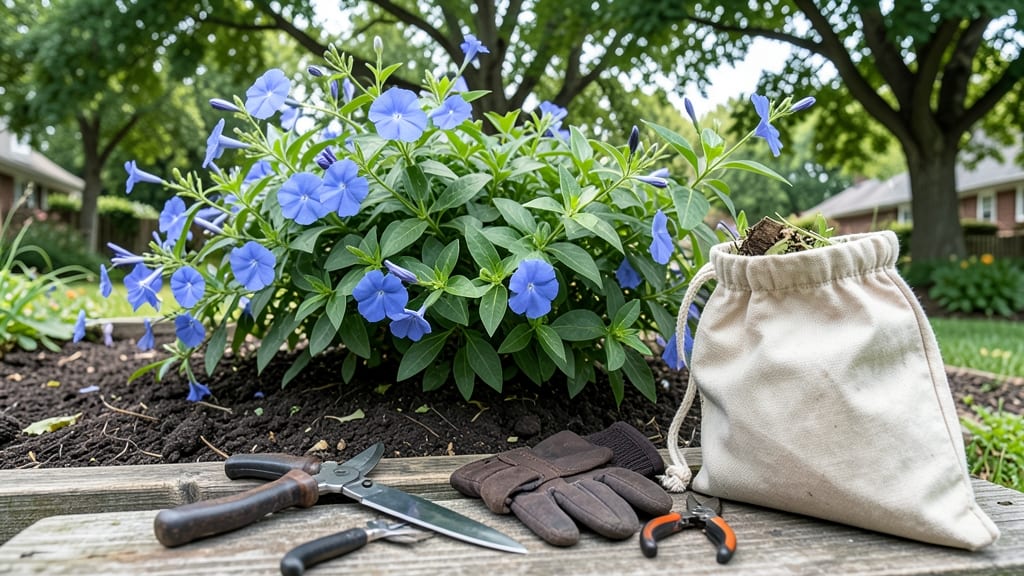
Pruning plumbago transforms your leggy, sparse shrub into a bushy, blooming powerhouse—and the timing matters more than you think. ✂️ I’ve pruned mine every spring for years, and the difference between a scraggly plant and one covered in sky-blue flowers comes down to two cuts: one in late winter and another in fall.
The secret isn’t just when you prune, but how—angles, depth, and even the tools you use make all the difference.
You’ll need sharp bypass pruners (dull blades crush stems), gloves (plumbago thorns are no joke), and a bucket for trimmings—because those cuttings root easily. The real work happens in late winter to early spring, right before new growth starts.
Cut back about one-third of the plant to the lowest healthy bud, making cuts at a 45-degree angle just above a leaf node. This encourages thicker stems and more flowers, not just taller ones.
By mid-summer, your plumbago will be bursting with fresh growth and setting buds for next year’s blooms. The key is patience: avoid heavy pruning in fall unless your plant looks overgrown, and never cut into old wood—it won’t regrow.
With this method, my plumbago now blooms from spring through frost, and neighbors ask how I keep mine so full. The answer? Two strategic cuts and a little attention to detail.
Works for Plumbago auriculata (the most common variety) and similar drought-tolerant shrubs. Even if you’ve killed plumbago before, this method is foolproof—just follow the timing and angles. Ready to turn your sparse shrub into a blooming machine? Let’s get started.
📚 In This Guide
- What you need
- Instructions
- Tips and common mistakes
- Wrapping up and next steps
What you need
- ● Pruning shears: Sharp, bypass-pruners (4–6 inches) for clean cuts. Must be sterilized with rubbing alcohol to prevent disease spread.
- ● Loppers: For thicker stems (1–2 inches in diameter). Opt for bypass loppers for precision.
- ● Gloves: Heavy-duty gardening gloves (waterproof, with grip) to protect hands from thorns and sap.
- ○ Pruning saw: Optional but helpful for very thick stems (rare in Plumbago but useful for older plants).
- ● Disinfectant spray: 70% isopropyl alcohol or a 10% bleach solution (1 part bleach to 9 parts water) for sterilizing tools between cuts.
- ● Rake or hoe: For clearing debris and old growth around the base.
- ○ Garden twine or stakes: Optional, for supporting leggy stems post-pruning (if needed).
- ● Compost or mulch: To replenish soil after pruning (1–2 inches of organic mulch helps retain moisture).
- ● Sharpie marker or labels: If you’re propagating cuttings, label them to track varieties.
- ● Watering can or hose: To hydrate the plant post-pruning (especially in dry climates).
- ● Weather check: Prune on a dry, overcast day (avoid pruning in wet or windy conditions).
- ● Timing: Choose early morning or late afternoon to reduce stress on the plant.
- ● Plant health: Ensure your Plumbago is free of pests/diseases before pruning. Treat issues first!
- ● Safety first: Wear closed-toe shoes and avoid loose clothing near thorny stems.
Step-by-Step guide to pruning plumbago for abundant blooms
Here's how I keep my plumbago thriving with simple seasonal cuts that double the flowers.
✂️ Step 1: Prune Back Hard in Early Spring
Wait until after the last frost when new growth appears—usually late March to April in most zones. Grab your pruners and cut back all stems to about 6-8 inches from the base. This might seem drastic, but plumbago is tough and rebounds beautifully. You'll see fresh, vibrant shoots emerging from the roots within 2-3 weeks.
I like to do this on a dry morning when the plants aren't stressed. The key is to make clean cuts at a 45-degree angle just above a leaf node. This encourages bushier growth and prevents disease from entering the stem. If you're unsure which direction the plant grows, cut straight across—it'll still recover.
☀️ Step 2: Light Summer Trimming for Airflow
Once your plumbago is actively growing, do a quick check every 4-6 weeks during summer. Look for stems that are crossing or growing inward—they'll block sunlight and reduce blooms. Snip these out at the base with clean pruners. You'll know you're doing it right when you see more light reaching the center of the plant.
Don't worry about removing flowers—plumbago blooms continuously. Instead, focus on keeping the plant's shape open and airy. A good rule is to never remove more than 1/3 of the plant's foliage at once. You'll notice more vibrant blooms and fewer pests when the center stays dry and sunny.
✂️ Step 3: Light Fall Pruning Before Dormancy
As temperatures drop in late September to October, give your plumbago one last trim. Cut back any dead or woody stems to 4-6 inches from the base. This prepares the plant for winter and prevents it from putting energy into weak growth. You'll know it's time when the leaves start yellowing and falling naturally.
Leave the rest of the plant alone—plumbago is semi-evergreen in mild climates and benefits from some winter foliage protection. If you live in a colder zone, consider wrapping the base with burlap or mulching heavily. The goal is to keep the roots insulated while allowing airflow to prevent rot.
🌱 Step 4: Post-Pruning Care for Strong Recovery
After each major pruning, give your plumbago a boost with a balanced fertilizer. I use a 10-10-10 mix at half strength to encourage new growth without burning tender shoots. Water deeply right after pruning to help the plant recover. You'll see fresh green growth within 10-14 days if conditions are right.
Keep an eye out for leggy growth after spring pruning—this means your plant needs more light. Move it to a sunnier spot or supplement with a grow light. With proper care, your plumbago will reward you with continuous blooms from spring through fall. The more you prune correctly, the fuller and more vibrant each season becomes.
Tips & tricks for pruning plumbago like a pro
These simple tricks will help you keep your plumbago looking its best all season long.
Timing is Everything: Pay close attention to the weather cues in Step 1—those fresh spring shoots are your signal to prune. If you're in a particularly cold zone, wait until after the last frost date in your area, which might be early May instead of late March. I once pruned too early in a chilly spring and lost some tender new growth to frost damage. Better to wait a few extra days than rush it!
Tool Up for Clean Cuts: Use sharp, clean pruners for every cut—dull blades crush stems and invite disease. I keep a small bottle of rubbing alcohol handy to wipe down my pruners between cuts, especially when working with multiple plants. For the 45-degree angle cuts in Step 1, practice on a few stems first if you're new to this technique. The goal is to expose just a tiny bit of fresh stem below the cut to prevent water from pooling.
Summer Maintenance Secret: When doing your summer trims (Step 2), focus on creating an open, airy structure rather than just removing what looks messy. I like to think of it like giving my plumbago a haircut—you want layers, not just shorter hair. Remove the longest stems first to open up the center, then trim any crossing branches. This airflow strategy is what prevents those pesky fungal issues that can ruin a plant's bloom potential.
Fall Prep for Winter: In Step 3, don't be afraid to be a little aggressive with those woody stems—plumbago handles tough cuts well. I've found that cutting back to about 4 inches (instead of 6) in colder zones gives the plant better protection from winter winds. Just remember to leave some foliage if you're in a mild climate, as that provides natural insulation for the roots during chilly nights.
Pro Tips for Prune Plumbago
- These simple tricks will help you keep your plumbago looking its best all season long.
- Timing is Everything: Pay close attention to the weather cues in Step 1—those fresh spring shoots are your signal to prune.
- Tool Up for Clean Cuts: Use sharp, clean pruners for every cut—dull blades crush stems and invite disease.
Frequently asked questions
Got questions about pruning your Plumbago? You’re not alone—this fast-growing shrub can be tricky to tame! Below, we’ve rounded up the most common concerns to help you keep your plant thriving and blooming beautifully.
When is the best time to prune Plumbago if I missed the spring deadline?
Don’t stress! While late spring is ideal, you can still prune in early summer (before July). Avoid heavy cuts after mid-summer, as new growth may not harden off before winter. A light trim to shape the plant is better than nothing—just focus on removing dead or leggy stems. Pro tip: If you’re unsure, wait until fall for a more controlled approach.
How much can I cut back my Plumbago in one go?
Plumbago is resilient, but avoid drastic cuts—never remove more than one-third of the plant’s total growth in a single session. For mature shrubs, aim to trim back to 6–12 inches from the base to encourage bushier growth. Over-pruning can stress the plant, leading to sparse blooms or dieback. Think of it like a haircut: a little goes a long way!
What if my Plumbago looks sad after pruning? Should I worry?
Temporary wilting or sparse foliage is normal after pruning—your plant is just adjusting! Water deeply after trimming to reduce shock, and avoid fertilizing for 4–6 weeks to let roots recover. If leaves turn yellow or stems die back, you may have pruned too aggressively. Next time, take smaller cuts. Remember: Plumbago recovers quickly with patience!
Can I prune Plumbago to keep it smaller, or will it always grow tall?
Yes! Regular pruning (especially in spring) will keep your Plumbago compact. Trim back the longest stems by one-third to encourage a fuller, bushier shape. For container-grown plants, prune more frequently to control height. Just avoid shearing into a tight, unnatural shape—Plumbago thrives with a loose, airy form. Think “shape, not shear.”
Why does my Plumbago have brown, crispy stems after pruning?
Brown or crispy stems can signal dry conditions or over-pruning. Ensure your plant gets 1–1.5 inches of water per week (more in heatwaves) and mulch around the base to retain moisture. If stems snap easily, they’re likely dead—snip them off at the base. Avoid pruning during extreme heat or drought; opt for cooler mornings instead.
Is there an alternative to pruning if I don’t want to cut it back?
If pruning feels too drastic, you can pinch back new growth in early summer to encourage branching. Simply use your fingers to squeeze off the tips of young stems (no tools needed!). This method is gentler but slower—expect a more natural, sprawling shape. For a low-maintenance look, let it grow wild and prune only to remove deadwood.
Wrapping up and next steps
Pruning your plumbago is a simple yet rewarding task that keeps your plant thriving and blooming beautifully! 🌸 By following the right timing—early spring or late fall—and using the proper techniques, you’ll encourage lush growth and vibrant flowers year after year. Don’t be intimidated—just grab your shears and give it a try!
Ready to take your plumbago care to the next level? Check out our guide on fertilizing tips to help your plant stay healthy and full of life after pruning. Happy gardening!