
Pruning
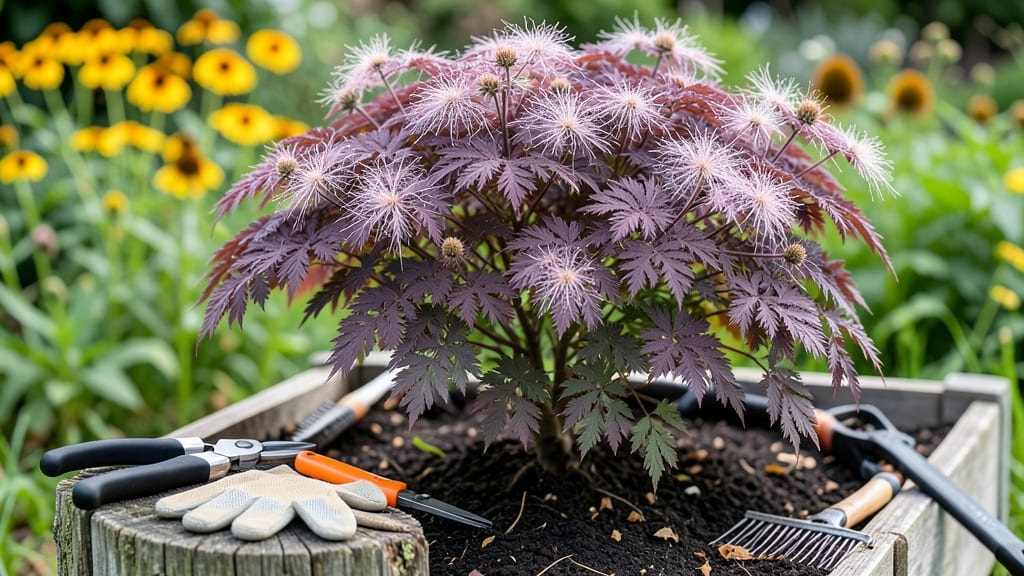
Pruning smokebush in late winter transforms it from a tangled mess into a showstopping shrub with feathery plumes and lush foliage. 🌿 I’ve pruned mine every year since planting, and the difference is night-and-day—more blooms, better airflow, and a shape that actually fits my landscape.
The key? Timing (right before new growth starts) and strategic cuts that encourage bushiness without sacrificing structure.
You’ll need just three things: sharp pruning shears, a glove (smokebush thorns are no joke), and a bucket for clippings. Start by removing dead or crossing branches—these are the easiest cuts and make the most immediate impact.
Next, shape the plant by thinning out crowded stems from the center outward, which lets light and air circulate better. Think of it like giving your smokebush a haircut that opens up its face.
After pruning, you’ll notice new growth within 2-3 weeks, with vibrant pink or purple plumes appearing by early summer. The foliage stays lush and colorful all season, and the plant becomes more disease-resistant.
Just avoid cutting into old wood (the stems turn woody after a few years)—focus on the younger, flexible branches for the best results.
Works for both standard and dwarf varieties, and the same techniques apply whether you’re pruning a single shrub or a hedge row. The only rule? Never prune in fall—you’ll encourage tender new growth that won’t survive winter. Now grab those shears and let’s get to work!
📚 In This Guide
- What you need
- Instructions
- Tips and common mistakes
- Wrapping up and next steps
What you need
- ● Bypass pruners – Sharp, clean bypass pruners (not anvil-type) for precise cuts. Size: 5–7 inches, with ergonomic handles for comfort.
- ● Loppers – For thicker branches (½–1½ inches). Quantity: 1 pair, with a bypass blade and 10–12-inch reach.
- ● Hedge shears – If shaping a formal hedge. Size: 8–10 inches, with comfort-grip handles.
- ● Pruning saw – For stubborn, woody stems (>1½ inches). Type: Curved blade for smooth cuts.
- ● Gloves – Heavy-duty gardening gloves (leather or reinforced) to protect from thorns and scrapes.
- ● Disinfectant – 70% isopropyl alcohol or rubbing alcohol to sterilize tools between cuts (prevents disease spread).
- ○ Pruning sealant – Optional but helpful for large cuts (>½ inch) to prevent pests/disease. Type: Latex-based or wound dressing.
- ● Bucket or bag – For collecting pruned debris. Size: 5-gallon bucket or heavy-duty trash bag.
- ● Ladder – If your smokebush is 6+ feet tall. Type: Lightweight, extendable aluminum ladder.
- ● Hand saw – For ultra-thick branches (rare for smokebush but useful for mature plants).
- ● Safety glasses – Protects eyes from debris, especially when using a pruning saw.
- ● Knee pads – For comfort if pruning low-hanging branches or working on the ground.
- ● Spray bottle with water – Keeps tools cool and dust-free during long pruning sessions.
Step-by-Step guide to pruning smokebush for lush, year-round growth
Here’s the method I’ve used to keep smokebushes thriving for over a decade—timing matters most.
⏰ Step 1: Prune Immediately After Spring Blooming
Smokebush blooms on old wood, so wait until after the flowers fade in late spring or early summer. This is your first critical window—cutting too early removes next year’s buds. I like to prune in May or June when the flowers have finished but before new growth hardens.
Use clean, sharp pruners to make 45-degree cuts just above a leaf node or bud. This angle helps water run off and prevents rot. Remove 1/3 of the oldest stems first—these are the thickest, woody branches. You’ll notice they’re often bare or have sparse foliage compared to newer growth.
Step back after each cut to check balance. Smokebushes develop a natural tiered shape; preserve that by avoiding over-trimming on one side. If you’re unsure which stems are oldest, look for the ones with the most dead or peeling bark—they’re ready to go.
✂️ Step 2: Lightly Shape in Early Fall
After summer’s new growth appears, do a light shaping pass in early fall (around September). This is about maintenance, not drastic changes. Focus on removing any crossing branches or stems growing inward—they’ll rub against each other and create wounds.
I also trim back any leggy growth that’s stretching too far from the center. Leggy stems weaken the plant and reduce flowering. Cut just above a healthy bud or leaf node, and avoid leaving stubs. A clean cut heals faster and looks better.
This fall pruning encourages compact, bushier growth for next year. You’ll see new shoots emerge from the base in spring, which means your smokebush is staying vigorous. Just avoid heavy pruning now—save the big cuts for spring.
🌿 Step 3: Rejuvenate Mature Bushes Every 3-5 Years
If your smokebush is overgrown or flowering poorly, it’s time for a rejuvenation prune in late winter (before buds swell). This is the deepest cut you’ll make—remove up to half the oldest stems down to the ground. It’s brutal, but the payoff is dramatic: fresh, new growth and a fuller shape.
Start by identifying the 3-5 thickest, oldest stems—these are the ones crowding out younger branches. Cut them at the base, then step back to assess. You’ll see sunlight hitting the center of the plant for the first time in years. This opens up the bush and lets air circulate, reducing disease risk.
Don’t panic if the plant looks bare afterward. Smokebushes are tough—they’ll send up vigorous new shoots from the roots and base within weeks. By next spring, you’ll have a bushier, more vibrant plant than before.
☀️ Step 4: Monitor and Adjust for Year-Round Color
Smokebushes shine with their foliage and berries, so pruning affects their seasonal display. After each prune, check for balanced color: purple foliage should dominate, but keep a few stems with red or green leaves for contrast. If one color takes over, adjust next year’s cuts to encourage variety.
Remove any dead, diseased, or weak stems year-round. These are easy to spot—they’re brittle, discolored, or lack leaves. Cut them out immediately to prevent pests or disease from spreading. I also deadhead spent flowers in summer to redirect energy into new growth and berries.
Watch how your smokebush responds. If it flowers heavily but looks sparse, you’re pruning too lightly. If it’s full but flowers poorly, you’re cutting back too much. The goal is balance: enough structure to support growth, but enough old wood to bloom.
Tips & tricks for pruning smokebush like a pro
These game-changing insights will help you transform your smokebush into a year-round showstopper without the guesswork.
Timing Secret: The May-June window for Step 1 is non-negotiable—this is when smokebushes set next year's flower buds. I've learned the hard way that cutting too early (while flowers are still vibrant) means sacrificing next season's blooms. Look for flowers that have completely faded and turned brownish before you begin. If you're unsure, wait another week rather than risking it.
Cutting Technique: That 45-degree angle in Step 1 isn't just for looks—it's a water runoff strategy. When you make clean, angled cuts just above a leaf node, rainwater flows away from the wound instead of pooling, which dramatically reduces rot risk. For stubborn branches, use your pruners to make a small notch first, then complete the cut to prevent tearing. And always sterilize your tools between cuts to prevent spreading disease.
Seasonal Strategy: The fall shaping in Step 2 isn't about drastic changes—it's about maintenance. Think of it as giving your smokebush a haircut rather than a buzz cut. Focus on removing crossing branches first (they'll rub and create wounds), then trim leggy growth that's stretching away from the center. This creates that perfect tiered shape while encouraging bushier growth at the base for next spring.
Rejuvenation Rescue: When doing the deep cuts in Step 3, don't be afraid to go bold—up to half the oldest stems can be removed. I've seen smokebushes that looked completely dead after this treatment send up vigorous new growth within weeks. The key is to cut all the way to the base, not just a few inches down. This might look drastic, but it's actually what your plant needs to rejuvenate its energy.
Pro Tips for Prune Smokebush
- These game-changing insights will help you transform your smokebush into a year-round showstopper without the guesswork.
- Timing Secret: The May-June window for Step 1 is non-negotiable—this is when smokebushes set next year's flower buds....
- Cutting Technique: That 45-degree angle in Step 1 isn't just for looks—it's a water runoff strategy. When you make cl...
Frequently asked questions
Got questions about keeping your smokebush (Cotinus spp.) thriving with the right pruning? You’re not alone! Here are answers to the most common concerns—because even pros need a little guidance now and then.
When is the best time to prune smokebush for maximum blooms?
The ideal window is late winter or early spring, just before new growth starts. This removes dead wood and shapes the plant for the season. Light pruning after flowering (summer) can encourage a second flush of blooms, but avoid heavy cuts then—it may reduce next year’s flowers. Pro tip: Never prune in fall; it can stimulate tender growth that won’t survive winter.
Can I prune smokebush too much? What are the signs?
Yes! Over-pruning—especially cutting back more than 1/3 of the plant in one go—can stress smokebush. Signs include sparse foliage, weak stems, or no flowers. If you’ve pruned aggressively and the plant looks sad, hold off for a year to recover. Focus on gradual shaping and removing only dead or crossing branches.
What if my smokebush doesn’t bloom after pruning?
Blooms might skip a year if you pruned too late in the season or cut back old wood (where flowers form). Try this: Prune lightly in spring to encourage new growth, and avoid heavy cuts. If your plant is young (<3 years), patience is key—it may need time to establish. Also, check for sunlight (6+ hours/day) and well-draining soil.
Should I prune smokebush into a specific shape, like a hedge?
Smokebush thrives with natural, airy shapes—it’s not a hedge plant! While you can lightly shape it for a rounded or tiered look, avoid tight, formal cuts. Open centers allow sunlight to reach inner branches, preventing dead spots. For a bushier look, prune just above a leaf node (where new growth emerges). Think “whimsical cloud” over “manicured boxwood”!
My smokebush leaves are turning brown after pruning. Is this normal?
Brown leaves post-pruning are usually not normal—they often signal stress from over-pruning, drought, or fungal issues. If only a few leaves brown, it’s likely natural shedding after cuts. For widespread browning:
- Check for underwatering (smokebush loves moisture).
- Inspect for powdery mildew (white dust on leaves).
- Fertilize lightly with balanced 10-10-10 in spring.
Wrapping up and next steps
Pruning your smokebush doesn’t have to be daunting—with the right timing and techniques, you can keep it thriving and bursting with color all year! 🌿 Whether you’re shaping for aesthetics or encouraging new growth, remember that patience and precision are key.
Start with clean cuts, remove dead wood, and embrace the seasonal rhythm of this resilient shrub.
Now that you’re armed with the know-how, grab those pruners and get to work! 🌟 Your smokebush will thank you with lush foliage and stunning blooms. For even more gardening tips, check out our guide on maintaining healthy shrubs—happy pruning!