
Pruning
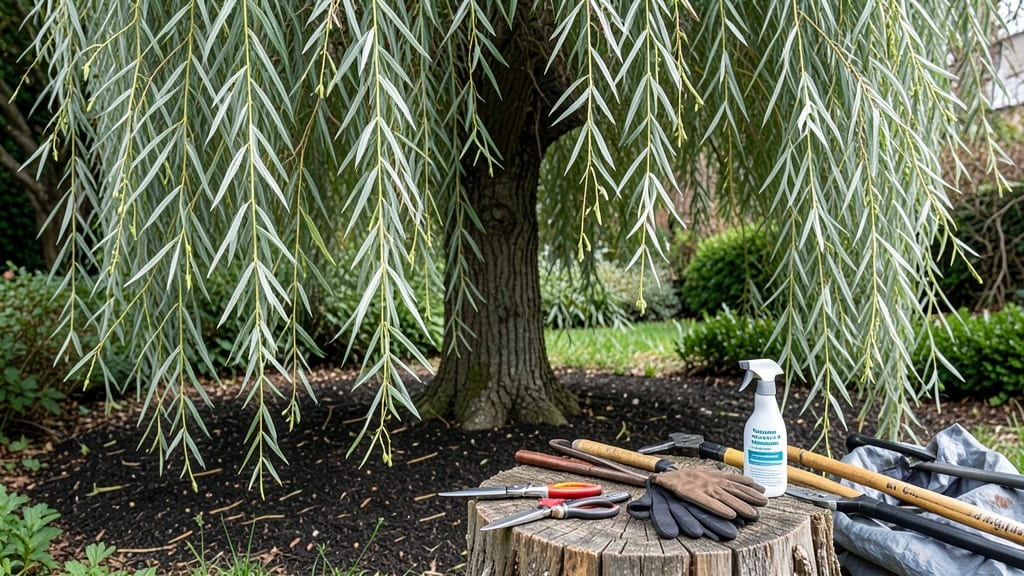
Pruning willows transforms them from tangled messes into vibrant, healthy showpieces—if you do it right. ✂️ I’ve spent years wrestling with weeping willows and osier varieties, and the difference between a thriving tree and a sad, leggy shadow comes down to timing, technique, and avoiding these three deadly mistakes.
The best time to prune willows is late winter or early spring, before new growth starts. This lets you shape the tree without stressing it, and it’s when willows are most dormant—meaning less sap, cleaner cuts, and faster healing.
For weeping varieties, focus on lifting branches to encourage that graceful, cascading shape, while osier willows (used for basket weaving) need aggressive pruning to maintain their dense structure. You’ll end up with a tree that looks neat, balanced, and full of energy—no more bare spots or tangled branches.
The key is making cuts just above outward-facing buds, using sharp tools to avoid tearing the bark, and never removing more than one-third of the canopy in a single year. Works for both ornamental willows and functional varieties.
Here’s how to do it without turning your yard into a willow graveyard!
📚 In This Guide
- What you need
- Instructions
- Tips and common mistakes
- Wrapping up and next steps
What you need
- ● Pruning shears or loppers: Choose bypass pruners (for clean cuts) or anvil pruners (for thicker branches). A 10-12 inch pair works for most willows.
- ● Pruning saw: A curved-tooth saw (for branches 1–3 inches thick) or a bow saw (for larger branches). Look for non-serrated teeth to avoid tearing.
- ● Gloves: Wear cut-resistant gloves (e.g., mechanics’ gloves or pruning-specific) to protect against thorns and sap.
- ● Safety glasses: Protect your eyes from debris—ANSI-rated goggles are ideal.
- ● Ladder or step stool: For tall willows, use a stable, extendable ladder (e.g., fiberglass for safety) or a 3-step stool for smaller trees.
- ○ Disinfectant (optional but recommended): A 10% bleach solution (1 part bleach to 9 parts water) or rubbing alcohol to sterilize tools between cuts and prevent disease.
- ● Rag or paper towels: For wiping tools and hands clean.
- ● Weather check: Prune on a dry, calm day (avoid wind or rain). Ideal temps: 50–75°F (10–24°C).
- ● Safety first: Wear long sleeves/pants to avoid sap irritation (willow sap can cause skin rashes).
- ● Cleanup supplies: Heavy-duty trash bags (for clippings—willow branches are heavy!).
- ● Garden shears or scissors (to trim clippings for composting).
- ○ Optional but helpful: Pole pruner (for high branches in 20+ ft willows).
- ● Tree wound dressing (e.g., pruning sealant)—only use if the cut is large (>2 inches).
- ● Work boots with grip for stability on uneven ground.
Step-by-step guide to pruning willow trees
Willows thrive when pruned correctly—here’s how to shape them for strength and vitality.
✂️ Step 1: Time Your Prune for Optimal Growth
Late winter or early spring, just before new growth begins, is the ideal time to prune willows. This timing ensures you remove dead wood while stimulating fresh, healthy shoots. Avoid pruning in fall, as new growth may not harden off before winter. If you must prune later in the season, do so before mid-August to allow sufficient time for wound healing.
Look for dormant buds along the branches—these signal the tree is ready. Willows are fast growers, so pruning at the right time prevents excessive regrowth that can overwhelm the tree’s structure. I always mark the branches I plan to trim with a piece of twine or flagging tape before making any cuts.
🌿 Step 2: Remove Dead, Diseased, or Weak Branches First
Start by identifying and removing any branches that are dead, diseased, or crossing. Dead branches are brittle and snap easily when bent—these should be cut back to the main trunk or a healthy lateral branch. Diseased branches often have discolored bark, oozing sap, or fungal growth; prune these out completely to prevent spread.
Crossing branches rub against each other, creating wounds that invite pests and disease. Use sharp loppers or a pruning saw to make clean cuts just outside the branch collar—the swollen area where the branch meets the trunk. Avoid leaving stubs, as they can rot and attract insects. I like to sterilize my tools with rubbing alcohol between cuts to prevent cross-contamination.
✂️ Step 3: Thin the Canopy for Better Airflow and Light
Willows naturally grow with a dense, weeping habit, but too much shade at the base encourages fungal issues. Aim to thin the canopy by 20-30%, focusing on branches that grow inward or downward. Start at the outer edges and work your way inward, removing branches that block light from reaching the lower branches and trunk.
Make your cuts just above a bud or lateral branch that grows in the direction you want the tree to fill. For example, if you’re thinning the top, look for a bud facing outward to encourage upward growth. Avoid over-thinning—willows rely on their dense foliage for photosynthesis, so leave enough branches to maintain the tree’s natural shape.
🌱 Step 4: Shape the Tree for Balance and Structure
Willows respond well to shaping, but avoid heavy pruning that removes more than one-third of the canopy at once. Focus on creating an open, vase-like structure by selectively pruning longer branches to encourage a more compact form. Start with the largest branches and work your way down to smaller stems.
Use hand pruners for branches up to ½ inch thick, loppers for ½ to 2 inches, and a pruning saw for anything thicker. Always make cuts at a 45-degree angle just outside the branch collar to promote faster healing. If you’re pruning a young willow, you can shape it more aggressively to guide its growth, but mature trees need gentler adjustments.
💧 Step 5: Clean Up and Monitor for Recovery
After pruning, remove all debris from the ground to prevent fungal spores from infecting the tree. Rake up small branches and dispose of them in a sealed bag or compost pile (if disease-free). Water the base of the tree deeply to help it recover, especially if you’ve made large cuts. Willows have a robust root system, but deep watering encourages new growth.
Monitor the tree over the next few weeks for signs of stress, such as wilting leaves or oozing sap at the pruning sites. If you notice excessive sap flow, apply a layer of wound dressing (like tree sealant) to protect the cut. Most willows will respond with vigorous new growth within 4-6 weeks, but avoid pruning again until the following dormant season.
Tips & tricks for perfect willow pruning
Pruning willows might seem intimidating, but these pro tips will help you avoid common mistakes and achieve healthier, more vibrant trees.
Timing is Everything: The late winter to early spring window isn't just about avoiding fall pruning—it's about catching willows in their dormant state. This is when they're least stressed and most resilient. If you must prune outside this window, stick to the mid-August cutoff to ensure wounds have time to heal before winter. I've seen willows recover beautifully when pruned correctly in late summer, but they need that full healing season.
Tool Prep Matters: Sharp tools aren't just about clean cuts—they're about reducing stress on the tree. Sterilize your pruners between cuts with rubbing alcohol to prevent spreading disease. I also recommend testing your tools on a small branch first to ensure they're sharp enough. Dull tools crush fibers instead of cutting cleanly, which creates larger wounds that take longer to heal.
Canopy Thinning Strategy: When aiming for that 20-30% thinning in Step 3, focus on removing branches that grow inward or downward first. These are the ones blocking light and air circulation. Start from the outside moving inward—this creates a natural funnel effect that directs light to the center of the tree. Think of it like opening a curtain: you want to reveal the interior rather than just trim the edges.
Recovery Monitoring: Those 4-6 weeks of recovery monitoring are crucial. Look for new growth as a positive sign, but also watch for excessive sap flow or wilting leaves as warning signals. I've found that applying a thin layer of tree sealant to larger cuts helps prevent disease entry points. And remember—willows are resilient, but they'll thank you for the extra care during their recovery period.
Pro Tips for Prune Willow
- Pruning willows might seem intimidating, but these pro tips will help you avoid common mistakes and achieve healthier, more vibrant trees.
- Timing is Everything: The late winter to early spring window isn't just about avoiding fall pruning—it's about catching willows in their dormant state.
- Tool Prep Matters: Sharp tools aren't just about clean cuts—they're about reducing stress on the tree.
Frequently asked questions
Got questions about pruning willows? You’re not alone—willow trees can be tricky! Here are answers to the most common questions to help you prune like a pro.
When is the best time to prune a willow tree?
The ideal time to prune willows is late winter or early spring (before new growth starts). Avoid pruning in summer or fall, as it can stimulate weak, disease-prone growth. If you must prune in summer, do so early in the season and keep cuts minimal.
How much can I cut back a willow tree?
Willows are resilient but don’t overdo it! For young trees, you can remove up to one-third of the canopy per year. For mature willows, limit pruning to 20-25% to avoid stress. If you’re shaping a weeping willow, never cut more than 15% to prevent dieback.
What if my willow bleeds sap after pruning?
Sap bleeding (or "weeping") is normal in willows but can be messy. To minimize it, prune on a dry day and avoid cutting in late winter or early spring when sap flow is highest. If bleeding is excessive, apply pruning sealant to larger cuts (though willows often heal fine without it).
Can I prune a willow tree in fall?
Pruning willows in fall is risky because it encourages tender new growth that may not harden off before winter. If you must prune in fall, do it at least 6 weeks before the first frost and keep cuts light. Winter pruning is always the safer bet!
How do I prune a willow tree to encourage bushier growth?
To promote bushiness, cut back some of the tallest stems by ⅓ in late winter. This stimulates lateral branching. For weeping willows, avoid heavy pruning at the top—instead, trim selective lower branches to open the canopy. Thin out crossing or dead branches first to improve airflow.
What should I do if my willow dies after pruning?
If your willow shows signs of dieback, yellowing, or wilting after pruning, it may have been over-pruned or stressed. Stop pruning immediately and focus on watering deeply and fertilizing with a balanced, slow-release fertilizer. If only a few branches died, they’ll likely regrow. For severe cases, consult a local arborist.
Wrapping up and next steps
Pruning your willow tree doesn’t have to be intimidating—with the right timing, tools, and techniques, you’ll encourage lush, healthy growth while keeping it safe and stylish. 🌿 Whether you’re shaping a weeping willow or maintaining a sturdy specimen, remember: patience and precision are your best friends.
Now that you’re armed with expert tips, grab those shears and get pruning!
💡 Next step: Mark your calendar for the best pruning season (late winter or early spring) and start small—confidence grows with practice! For extra guidance, revisit our FAQ section or watch a quick video tutorial to see these steps in action.