
Pruning
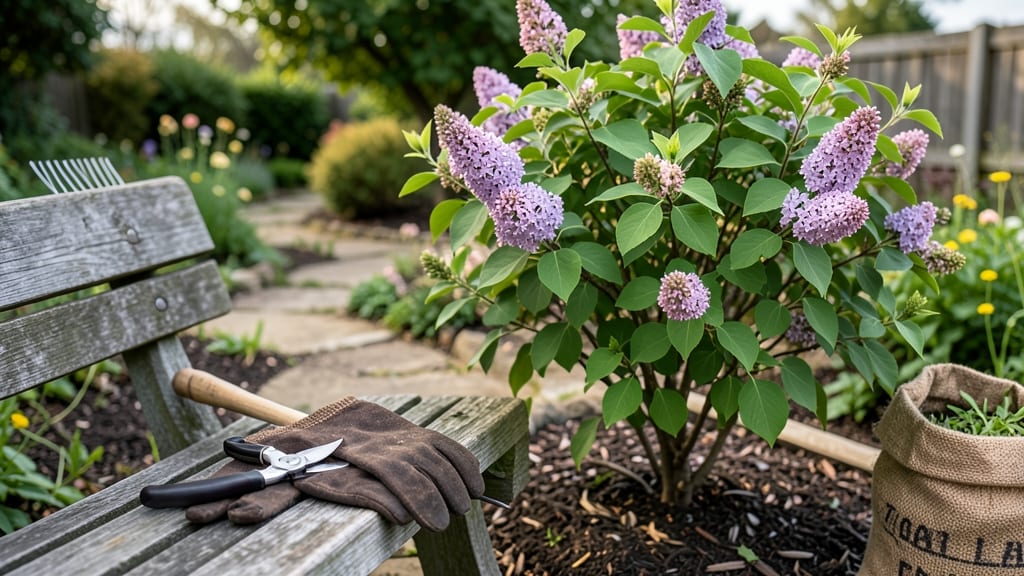
Pruning lilacs after bloom isn’t just about tidying up—it’s the secret to year-round shape control and bigger blooms next spring. 🌿 I’ve seen lilacs go from scraggly to showstopping in just one season by mastering this timing, and the best part?
It only takes 10 minutes and a few simple cuts. The key is working 4-6 weeks after flowering, when buds for next year’s blooms are already forming.
Grab your pruners and gloves, then focus on removing dead, crossing, or weak branches—never cut into old wood, or you’ll lose next year’s flowers. Start at the base of the plant and work outward, shaping as you go.
What you’ll end up with is a lilac bush that stays compact, blooms more heavily, and looks intentional all year. The air will smell sweeter too, since pruning encourages stronger new growth. Just avoid heavy pruning in fall or winter, or you risk stunted blooms.
Works for any lilac variety—French, common, or dwarf—and keeps plants healthy for decades. Let’s get those branches trimmed!
📚 In This Guide
- What you need
- Instructions
- Tips and common mistakes
- Wrapping up and next steps
What you need
- ○ Pruning shears – Bypass pruners (sharp, clean, and 5- to 6-inch blades for precision cuts). Optional: Loppers (for thicker stems, 8-10 inches).
- ● Gloves – Heavy-duty, cut-resistant (gardening gloves with reinforced palms).
- ● Disinfectant – 70% isopropyl alcohol or rubbing alcohol (1 bottle) to sterilize tools between cuts.
- ● Pruning saw – Only if needed for thick, woody stems (avoid if possible—lilacs rarely require this!).
- ● Garden twine or zip ties – For temporary support if branches are heavy post-pruning (1 roll).
- ● Trash bags or bucket – For debris (2-3 large bags or a 5-gallon bucket).
- ● Hand pruners with a bypass blade (for cleaner cuts on smaller stems).
- ● Knee pad or stool – For comfort if lilacs are tall (adjustable stool recommended).
- ● Sharpie or marker – To label cuts if training new growth (small pack).
- ● Fungicide spray – Copper-based (1 bottle) to prevent disease if lilacs are in a damp area.
How to prune lilacs after bloom for perfect year-round shape
Here's the simple method I use to keep my lilacs lush and flowering beautifully every spring.
✂️ Step 1: Wait for the Right Time to Prune
Prune lilacs immediately after the flowers fade but before the seed pods form—that's your 3-4 week window after blooming. I know it seems counterintuitive to cut back flowers, but this ensures next year's blooms will be even more abundant. Wait until half the flowers have dropped but before the seed pods swell.
If you prune too early, you'll miss the chance to shape the plant. If you wait too long, the energy goes into seed production instead of next year's buds. The best time is when the flowers are mostly gone but the stems still look fresh. This usually lands in late May or early June, depending on your climate.
✂️ Step 2: Identify and Remove Dead or Weak Growth
Start by scanning your lilac for any branches that are dead, crossing, or growing inward. These are the first to go—they crowd the plant and invite disease. Use sharp pruning shears to cut these back to the main stem or to a healthy bud. I always make cuts at a 45-degree angle just above a leaf node facing outward.
Don't worry about the size of the cut—lilacs are tough and handle pruning well. The goal here is to open up the center of the plant so air circulates better. You'll see a noticeable difference in how light reaches the inner branches after this step.
✂️ Step 3: Shape the Plant for Next Year's Blooms
Now focus on thinning out the oldest stems to make room for new growth. Lilacs bloom on wood from the previous year, so you want to keep about 1/3 of the oldest stems while removing the rest. Cut these back to the ground or to a strong lateral branch. I usually leave 3-5 of the strongest stems depending on the plant's size.
For shaping, step back and visualize the plant's natural form. You're not trying to create a perfect geometric shape—just a balanced, open structure. Cut back any branches that are growing too close together or that disrupt the plant's natural silhouette. This encourages more flowers next season.
✂️ Step 4: Clean Up and Maintain Year-Round
After pruning, clean up all the debris and dispose of it properly—don't leave cuttings on the ground where they can harbor pests. I like to rake up the clippings and add them to my compost pile. Once the plant is shaped, give it a light watering to help it recover from the pruning.
Throughout the year, keep an eye on your lilac. If any branches start growing too long or leggy, trim them back in late summer to encourage bushier growth. Lilacs are forgiving, so don't stress about perfection—just focus on maintaining an open center and removing dead wood. With this approach, your lilac will reward you with even more stunning blooms next spring.
Tips & tricks for perfect lilac pruning after bloom
These simple strategies will help you transform your lilacs into a thriving, flower-filled beauty every season.
Timing Secret: The 3-4 week window after blooming is your golden opportunity. I can't stress enough how critical this timing is—pruning too early means you miss shaping the plant, while waiting too long diverts energy to seed production instead of next year's buds. Mark your calendar for late May or early June, but always check that half the flowers have dropped before you start. This ensures you're cutting at the perfect moment for maximum bloom potential next spring.
Tool Tip: Invest in a good pair of sharp pruning shears—dull blades tear plant tissue, making recovery harder. I always clean my shears with rubbing alcohol between cuts to prevent spreading disease. For larger branches, use loppers with a bypass blade (the curved blades that slide past each other) rather than anvil pruners, which can crush stems. The 45-degree angle cut you make in Step 2 isn't just for looks—it helps water run off and prevents rot.
Visual Cue: When thinning in Step 3, imagine your lilac as an open umbrella. You want to see light and air moving through the center. If you're unsure which stems to keep, look for the thickest, healthiest branches that are growing outward. The general rule of keeping 3-5 of the strongest stems works well, but don't be afraid to adjust based on your plant's natural shape. Remember, lilacs bloom on last year's wood, so those older stems are where next year's flowers will appear.
Pro Tips for Lilac Prune After Bloom
- These simple strategies will help you transform your lilacs into a thriving, flower-filled beauty every season.
- Timing Secret: The 3-4 week window after blooming is your golden opportunity.
- Tool Tip: Invest in a good pair of sharp pruning shears—dull blades tear plant tissue, making recovery harder.
Frequently asked questions
Got questions about keeping your lilacs tidy after their stunning spring blooms?
Here are the answers to the most common ones—so you can prune like a pro and enjoy lush, healthy shrubs all year!
When is the best time to prune lilacs after they bloom?
Prune lilacs right after flowering (late spring to early summer) to avoid cutting off next year’s buds. Wait until the blooms fade and drop—this ensures you’re trimming old wood while leaving new growth intact. Pro tip: If you miss this window, you can do a light cleanup in early fall, but avoid heavy pruning then.
How much can I trim lilacs without hurting them?
Lilacs thrive with 1/3 of their height removed—never more! Focus on shaping by cutting back branches to an outward-facing bud or joint. Avoid "topping" (cutting flat across the top), as this weakens the plant. Goal: Open the center for airflow and sunlight while maintaining a natural form.
What if my lilacs don’t bloom after pruning?
Lilacs bloom on old wood, so if you prune too late (after summer), you might skip next year’s flowers. To troubleshoot:
- Check if you’re pruning at the right time (post-bloom).
- Ensure you’re not cutting into last year’s growth (look for woody stems).
- Fertilize lightly in early spring with a balanced 10-10-10 formula.
Can I use the same pruning technique for all lilac varieties?
Most lilacs (like Syringa vulgaris or dwarf varieties) follow the same rules, but French lilacs (e.g., 'Katherine Haviland') bloom on new wood—so you can prune more aggressively in late winter or early spring. Always research your specific variety, but the post-bloom trim works for 90% of common lilacs!
What should I do if my lilac looks leggy or overgrown?
Leggy lilacs need rejuvenation pruning over 2–3 years:
- Year 1: Trim 1/3 of the oldest stems back to the ground.
- Year 2: Repeat with another 1/3 of the oldest branches.
- Year 3: Finish with the last batch, then focus on shaping.
Wrapping up and next steps
Pruning lilacs after their bloom is your secret weapon for keeping these beauties lush, healthy, and in perfect shape—without the overwhelm! With the right tools, timing, and techniques, you’ll transform post-bloom maintenance into a quick, satisfying task.
Whether you’re a gardening newbie or a seasoned pro, a little TLC now ensures stunning flowers and strong growth for years to come.
Ready to take action? Grab your pruners and schedule that pruning session—your lilacs (and future self) will thank you! 🌿✂️