
Pruning
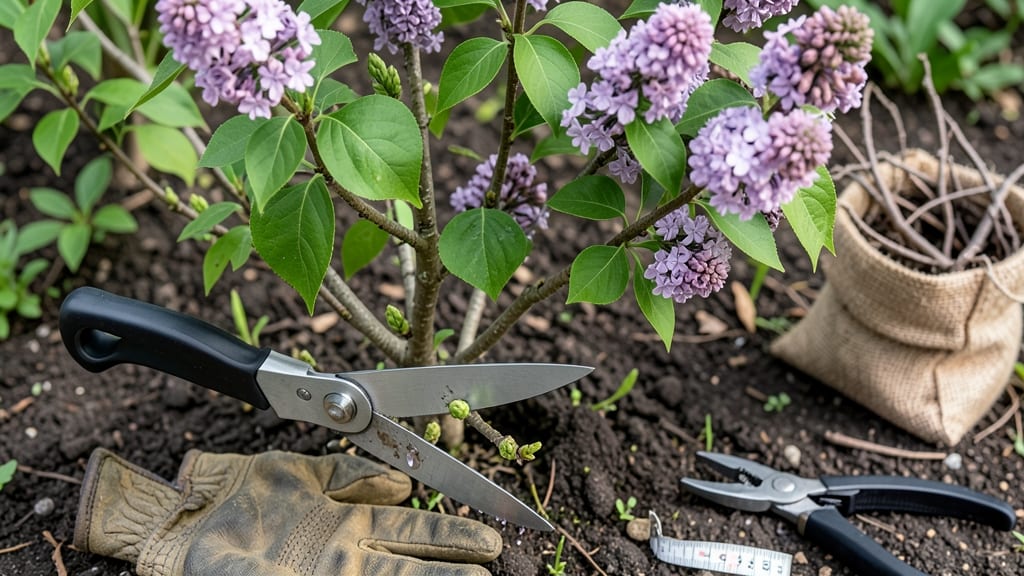
Your lilacs could be blooming bigger than ever next spring—if you prune them right this winter. ❄️ Rejuvenation pruning isn’t just about cutting back old wood; it’s about giving your shrubs a fresh start while encouraging stronger growth for years to come.
I’ve turned my once-sparse lilacs into lush, fragrant giants using this method, and the secret lies in timing, technique, and a little patience.
The best time for this prune is late winter or early spring, just as new buds begin to swell but before leaves emerge.
You’ll need sharp bypass pruners, a sturdy ladder (if your lilacs are tall), and a bucket to collect the clippings—though I’ve also used them as mulch for my vegetable beds with great success.
The goal is to remove up to one-third of the oldest stems at ground level, which might sound drastic, but trust me, your lilacs will thank you.
After pruning, you’ll notice fresh, green shoots emerging within weeks, and by next summer, your shrubs will be denser with more abundant blooms. The key is to step back and assess each stem—cutting back to a strong outward-facing bud encourages new growth in the right direction.
This isn’t just about next year’s flowers; it’s about setting your lilacs up for a decade of vibrant, fragrant displays.
If you’ve ever hesitated to prune lilacs because you feared losing blooms, this method changes everything. The first year might look sparse, but the payoff in years two and three is worth every snip.
Just avoid cutting back more than one-third of the plant at once, and never prune in fall—you’ll risk inviting pests and diseases. Ready to transform your lilacs? Let’s get started.
📚 In This Guide
- What you need
- Instructions
- Tips and common mistakes
- Wrapping up and next steps
What you need
- ● Pruning shears or loppers: Sharp, bypass-style shears (for small branches) or loppers (for thicker stems). Size: 6–8" shears for precision; 10–12" loppers for thicker branches (up to 2" diameter). Quantity: 1–2 pairs.
- ● Hand pruners: For fine-tuning cuts on smaller stems. Quantity: 1 pair.
- ● Gloves: Heavy-duty, cut-resistant gloves (e.g., mechanized or leather) to protect hands from thorns and rough branches. Quantity: 1 pair.
- ○ Disinfectant (optional but recommended): Rubbing alcohol (70% isopropyl) or bleach solution (1 part bleach to 9 parts water) to sterilize tools between cuts and prevent disease spread.
- ○ Pruning sealant (optional): Pruning wax to coat large cuts (over ½" diameter) and reduce moisture loss. Quantity: Small jar or stick.
- ● Bucket or trash bag: For collecting pruned branches. Size: At least 5-gallon capacity.
- ● Best time to prune: Late winter or early spring, before buds swell (typically February–March in most climates). Avoid pruning in fall or during active growth.
- ● Weather conditions: Choose a dry, calm day with temperatures above freezing to avoid stressing the plant.
- ● Safety first: Wear closed-toe shoes and avoid pruning near power lines or in wet conditions.
Step-by-step guide to rejuvenating your lilacs
Here’s how I bring back overgrown lilacs to their full, blooming glory—no guesswork, just proven results.
✂️ Step 1: Time Your Pruning Perfectly
Prune lilacs right after they finish blooming—usually late spring to early summer. This ensures you don’t cut off next year’s flower buds, which form on last year’s growth. If you missed that window, wait until late winter or early spring (before buds swell) for a dormant-season rejuvenation cut. Never prune in fall, as this encourages new growth that won’t harden off before winter.
I know it seems counterintuitive, but pruning in summer (after blooms) is actually the gentler approach. For rejuvenation, though, late winter is the only time to make bold cuts. The key is to act before new growth starts—typically February to March in most climates. Check your local frost dates to time it right.
✂️ Step 2: Assess and Plan Your Cuts
Examine your lilac bush and identify old wood—branches that are thick, woody, and no longer producing flowers. These are the ones you’ll remove to encourage younger, more vigorous growth. Look for suckers (shoots growing from the base) and crossing branches (rubbing against each other) to cut out first. These take priority over the main rejuvenation cuts.
Use sharp pruners or loppers to make clean cuts at a 45-degree angle, about ¼ inch above an outward-facing bud. This angle keeps water from pooling on the cut. If you’re pruning multiple stems, step back and visualize the shape—aim for an open center that allows sunlight and air to circulate. I like to sketch a rough outline of where cuts will go before making them.
✂️ Step 3: Make the Rejuvenation Cuts
For rejuvenation, you’ll cut back one-third to one-half of the oldest stems to the ground. Start with the thickest, most established branches—these are the ones that have stopped flowering well. Leave the younger, thinner stems alone; these will carry next year’s blooms. If your lilac is severely overgrown, you can even cut back two-thirds of the oldest stems in stages over a few years.
Make your cuts just above a bud or lateral branch—never leave stubs. The goal is to stimulate new growth from the base. After cutting, step back and assess the shape. You should see a mix of old and new stems remaining. If the bush looks too bare, you’ve cut too much; if it’s still dense, repeat next year with more stems. I’ve seen lilacs bounce back beautifully even after aggressive cuts—just be patient.
💧 Step 4: Post-Pruning Care
Water your lilac deeply after pruning to help it recover. The roots will need to support new growth, so aim for 1-2 inches of water per week, either from rainfall or irrigation. Avoid overwatering, though—soggy soil can invite disease. Mulch around the base with 2-3 inches of organic mulch (like shredded bark) to retain moisture and suppress weeds, but keep it 6 inches away from the trunk to prevent rot.
Fertilize lightly in early spring with a balanced, slow-release fertilizer (like 10-10-10) to give the new growth a boost. Avoid high-nitrogen fertilizers, which encourage leafy growth at the expense of flowers. You’ll notice new shoots emerging from the base within 4-6 weeks. These are your lilac’s way of saying, “I’m ready for next year’s blooms!”
☀️ Step 5: Monitor and Maintain
Keep an eye on your lilac over the next few months. New growth should be vigorous and green, not weak or yellowing. If you see signs of stress (like wilting or leaf drop), check for pests or disease—common issues after pruning include powdery mildew or borers. Treat with neem oil or insecticidal soap if needed, but most lilacs recover well with proper care.
In the following years, continue light pruning to shape the bush and remove dead or crossing branches. Avoid heavy cuts—your goal now is maintenance, not rejuvenation. With patience, your lilac will reward you with lush, abundant blooms for years to come. I’ve seen bushes that were nearly dead come back stronger than ever after just one rejuvenation pruning session.
Tips & tricks for perfect lilac rejuvenation pruning
These little details make all the difference when you're bringing back your lilacs to their full potential.
Timing is Everything: The late winter window (February to March) is your best shot for rejuvenation pruning because lilacs are still dormant but about to burst with new growth. I've seen people try pruning in fall and end up with weak, frost-sensitive shoots that never survive winter. If you're unsure about your local frost dates, check your USDA hardiness zone—most Zone 5-7 gardeners should aim for late February to early March. This timing gives your lilac's roots time to establish before the growing season kicks in.
The 45-Degree Angle Secret: When making your cuts in Step 2, that 45-degree angle isn't just about looks—it's about water runoff. A flat cut pools water against the stem, creating perfect conditions for rot. The slanted cut lets water run off while still protecting the bud below. I've made this mistake before and ended up with more dead stems than I started with! Use a small ruler or even your pruners' edge as a guide to get that perfect angle every time.
Visualizing Your Cuts: Before you start sawing, step back and look at your lilac from all angles. Sketch a rough outline of where you'll make cuts on paper first—this helps you visualize the open center shape you're aiming for. I've pruned lilacs that looked perfect from the front but were still too dense on the sides. The goal is sunlight penetration all the way to the center. Think of it like creating a dome that lets light reach every branch.
Post-Pruning Recovery: After your cuts, don't just walk away! The first 4-6 weeks are critical as new shoots emerge. I've seen gardeners give up too soon when they don't see immediate results. Water deeply right after pruning, then maintain that 1-2 inches per week. The mulch ring you create (2-3 inches deep, 6 inches from trunk) acts like a blanket, keeping roots warm and moist. This is when your lilac is most vulnerable to stress—give it the care it needs during this recovery period.
Pro Tips for Lilac Rejuvenation Pruning
- These little details make all the difference when you're bringing back your lilacs to their full potential.
- Timing is Everything: The late winter window (February to March) is your best shot for rejuvenation pruning because lilacs are still dormant but about to burst with new growth.
- The 45-Degree Angle Secret: When making your cuts in Step 2, that 45-degree angle isn't just about looks—it's about water runoff.
Frequently asked questions
Got questions about lilac rejuvenation pruning?
Here are answers to the most common ones—so you can confidently tackle your shrubs this dormant season!
When is the best time to prune lilacs for rejuvenation?
Prune lilacs only during dormancy—typically late winter or early spring (before buds swell). Avoid pruning in fall or summer, as this can stimulate new growth that won’t harden off before winter. Pro tip: If you miss dormant season, wait until after blooming (but expect fewer flowers that year).
How long does it take for lilacs to recover after rejuvenation pruning?
Recovery varies, but lilacs often bounce back within 1–2 years. You’ll see new shoots by spring, and full regrowth (including blooms) typically takes 2–3 seasons. Patience is key—focus on healthy growth, not immediate flowers!
What if my lilac doesn’t bloom after pruning?
No blooms? Don’t panic! Lilacs prioritize rebuilding structure first. If pruned correctly (cutting ⅓ of old stems), blooms should return by the second year. For faster results:
- Ensure full sun (6+ hours/day).
- Fertilize lightly in spring with balanced 10-10-10.
- Avoid heavy pruning again for 2+ years.
Can I rejuvenate lilacs without cutting them back drastically?
Yes! If your lilac is only slightly overgrown, try selective pruning—remove 1–2 oldest stems per year instead of a full rejuvenation. This gradual approach reduces stress and still improves airflow. Just avoid cutting more than ⅓ of the shrub in one season.
What’s the difference between rejuvenation pruning and regular pruning?
Regular pruning (after blooming) trims dead/weak stems and shapes the shrub. Rejuvenation pruning is aggressive—cutting ⅓ of the oldest stems at the base to revitalize the plant. Think of it as a reset button for neglected lilacs!
Bonus Tip: Label your cuts!
If pruning multiple stems, tie a ribbon or flag each group to track which branches you’ve pruned. This helps avoid over-pruning and keeps your lilac’s “skeleton” intact for future blooms.
Wrapping up and next steps
With the right tools, timing, and technique, lilac rejuvenation pruning can transform your shrubs into vibrant, blooming powerhouses next spring! 🌸 Remember, patience is key—this process takes time, but the rewards of lush, healthy growth are worth every snip.
Now that you’re equipped with the know-how, roll up your sleeves and give your lilacs the fresh start they deserve.
Ready to take action? Mark your calendar for late winter or early spring—just before buds swell—and get pruning! For extra confidence, snap a few photos of your lilacs before and after for a satisfying before-and-after comparison. Happy gardening! ✂️🌿