
Pruning
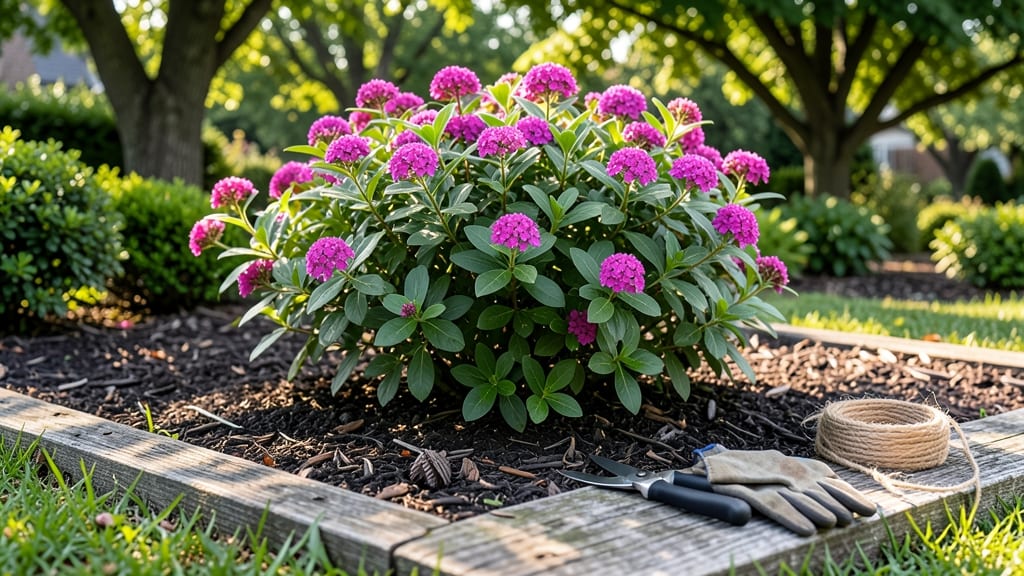
Late-winter pruning transforms your Little Princess Spirea into a lush, blooming powerhouse by spring. ✂️ I’ve pruned mine for five years now, and the difference between a ragged shrub and a showstopper comes down to timing, technique, and a little elbow grease.
The key? Cutting back by one-third right before new growth starts—usually in late February or early March, depending on your zone.
You’ll need just three things: sharp pruning shears, a bucket for trimmings, and a clear morning to work. The goal isn’t to sculpt but to open up the center, removing dead wood and thinning crowded stems.
Think of it like giving your plant a fresh start—less clutter means more energy for vibrant blooms and fuller foliage later. Most people over-prune, so aim for 30-50% reduction rather than drastic cuts.
After pruning, your Spirea will reward you with dense, bushier growth and flowers that appear earlier and last longer. The secret? Prune right after the last hard frost but before buds swell—this ensures you’re not cutting off next year’s blooms.
Water deeply afterward to help roots recover, and watch as new shoots emerge within 2-3 weeks.
This method works for all Spiraea japonica varieties, including Little Princess, and adapts to containers or garden beds alike. Skip summer pruning unless removing spent flowers—your late-winter cuts set the tone for the whole season. Ready to give your shrub a second chance?
📚 In This Guide
- What you need
- Instructions
- Tips and common mistakes
- Wrapping up and next steps
What you need
- ● Pruning shears: Bypass pruners (sharp, clean, and sized for small to medium stems—4- to 6-inch blades work best). Disinfect with rubbing alcohol before and after use! 🧴
- ● Loppers: For thicker stems (if your spirea has any overgrown branches thicker than a pencil). Look for 8-inch handles for leverage.
- ● Garden gloves: Cut-resistant (to protect against thorns and rough stems). Nitrile-coated gloves are ideal for grip and durability.
- ● Rake or broom: For cleanup—a leaf rake (for debris) or a stiff-bristle broom (for stubborn leaves).
- ● Disposable pruning bags: 2–3 large bags (to collect clippings and reduce mess). 13-gallon capacity is perfect.
- ○ Pruning sealant (optional but helpful): For large cuts (like Tanglefoot Tree Wound Pruning Seal) to prevent disease entry.
- ● Timing: Prune after the last hard frost but before new growth (typically late February to early March in most U.S. zones). ☀️
- ● Weather: Choose a dry, calm day—avoid pruning if rain or wind is forecasted within 24 hours.
- ● Safety first: Wear closed-toe shoes and eye protection (thorns can sneak up on you!).
- ● Know your plant: Little Princess Spirea is a deciduous shrub that blooms on new wood, so aggressive pruning won’t harm its flowers.
- ● Hand pruners (felco or similar): For precision cuts on smaller stems.
- ● Ladder or stool: If your spirea is taller than 4 feet (extendable 3-step ladders work great).
- ● Hose or spray bottle: To rinse tools between cuts and keep stems clean.
- ● Notebook & pen: To sketch your pruning plan before diving in!
Step-by-Step guide to pruning Little Princess Spirea for vibrant spring blooms
Here's the precise method I use to revive this compact beauty—timing and technique make all the difference.
✂️ Step 1: Time Your Prune for Late Winter Dormancy
Prune your Little Princess Spirea in late winter, just as new growth begins but before buds swell. This is typically 6-8 weeks before your last frost date, when daytime temperatures hover around 40-50°F. The plant will be dormant but primed for spring's burst of color. I always check for tight, unopened buds along the stems—these signal readiness.
Working too early risks cutting back fresh growth; waiting too long removes next season's flowers. If you missed the window, don't panic—you can still prune in early spring, though you may sacrifice some spring blooms. The key is to never prune after mid-March in most climates.
✂️ Step 2: Cut Back to 1/3 of the Plant's Height
Use clean, sharp pruners to remove 1/3 of the plant's height, cutting just above a set of buds or leaf nodes. I aim for 6-8 inches tall for Little Princess, which stays compact even after pruning. This encourages dense, bushy growth and prevents legginess. Look for the lowest set of healthy buds—these will become your new framework.
Never cut into old, woody stems. If you see bare, brown wood, you've gone too far. The goal is to stimulate fresh, vibrant growth from the base. After pruning, the plant should look like a neat, rounded mound rather than a sparse skeleton.
☀️ Step 3: Remove Dead, Damaged, or Crossing Branches
While you're pruning, inspect each branch for signs of disease, dead wood, or branches rubbing together. Cut these out completely at the base. I also remove any branches growing inward—they'll compete for sunlight and weaken the plant's structure. Thin out crowded areas to improve airflow, which reduces fungal risks.
Pay special attention to the center of the plant. If it looks hollow, prune back the oldest stems to encourage new growth from the base. This keeps Little Princess looking full and lush. After cleaning up, the plant should have an open, airy shape with sunlight reaching all branches.
💧 Step 4: Fertilize and Water for Spring Revival
After pruning, apply a balanced, slow-release fertilizer (10-10-10 ratio) to encourage strong new growth. Water deeply to help the plant recover, ensuring the soil is moist 6-8 inches down. I like to use a soaker hose to avoid wetting the foliage, which can invite disease. Mulch around the base with 2-3 inches of organic mulch to retain moisture and regulate soil temperature.
Watch for new shoots emerging within 3-4 weeks. These will be tender and bright green—your reward for precise pruning. If the weather turns dry, water lightly every 5-7 days to keep the soil consistently moist but not soggy. Avoid heavy watering, which can dilute nutrients and stress the plant.
⏰ Step 5: Monitor for New Growth and Adjust as Needed
By early spring, you should see new leaves unfolding along the stems. This is your cue that the pruning worked. If growth appears weak or sparse, apply a second light fertilizer application. I also check for pale or yellowing leaves, which may signal over- or under-fertilization. Adjust your approach accordingly.
Continue monitoring for pests like spider mites or aphids, which love tender new growth. A quick spray with water can often dislodge them before they become a problem. With proper care, your Little Princess Spirea will burst into vibrant pink blooms by late spring, rewarding you for the effort.
Tips & tricks for perfect late-winter Spirea pruning
Took me years to perfect these tricks after watching my first few pruning attempts flop—here's what actually works for Little Princess Spirea.
Timing is Everything: The 6-8 week window before your last frost date isn't just a suggestion—it's when your plant's natural dormancy cycle aligns perfectly with its growth potential. I've learned to check for those tight, unopened buds as my definitive cue rather than relying solely on calendar dates. In my zone 6 garden, this typically falls in early February, but I always verify by looking for those telltale buds. The difference between perfect timing and missed blooms often comes down to this single observation.
Precision Cutting Technique: When you're cutting back to that 1/3 height in Step 2, make your cuts at a 45-degree angle just above a bud or leaf node—this creates more surface area for water absorption and prevents moisture from pooling on the stem. I use my pruners to make a clean cut about 1/8 inch above the bud, which gives me that perfect 6-8 inch height while ensuring new growth emerges from exactly where I want it. This angled cut also makes the plant look more natural and less like it's been hacked.
Post-Prune Care Secret: After you've finished pruning, give your Little Princess Spirea a thorough inspection for any remaining damaged branches or crossing stems you might have missed. I've found that taking an extra 5 minutes to really clean up the plant at this stage makes all the difference in preventing disease later. The key is to create that open, airy shape—imagine sunlight streaming through the center of the plant rather than getting blocked by crowded branches. This airflow is what keeps your spirea healthy and vibrant.
Fertilizer Application Tip: When applying that 10-10-10 fertilizer in Step 4, don't just sprinkle it around the base—work it gently into the top 2-3 inches of soil. I use my fingers to create small holes and place the granules directly where the roots will access them most easily. This targeted approach ensures your plant gets the nutrients it needs without wasting fertilizer. Pair this with your deep watering (6-8 inches down) and you're giving your spirea exactly what it needs to bounce back beautifully.
Pro Tips for Little Princess Spirea Pruning
- Took me years to perfect these tricks after watching my first few pruning attempts flop—here's what actually works for Little Princess Spirea.
- Timing is Everything: The 6-8 week window before your last frost date isn't just a suggestion—it's when your plant's natural dormancy cycle aligns perfectly with its growth potential.
- I use my pruners to make a clean cut about 1/8 inch above the bud, which gives me that perfect 6-8 inch height while ensuring new growth emerges from exactly where I want it.
Frequently asked questions
Got questions about pruning your Little Princess Spirea? You’re not alone!
Whether you’re a first-time gardener or just want to refine your technique, these answers will help you keep your shrub thriving. Here’s what we hear most often—and how to tackle it.
When is the absolute best time to prune Little Princess Spirea?
The ideal window is late winter (just before new growth starts) or early spring. This timing ensures you remove dead wood while encouraging fresh, vibrant blooms. Avoid pruning in fall—it can leave your shrub vulnerable to winter damage. Pro tip: Wait until temperatures rise above freezing to minimize stress on the plant! →
How much can I cut back Little Princess Spirea without harming it?
You can be bold! Cut back up to ⅓ of the plant’s height to rejuvenate growth. For older shrubs, don’t hesitate to prune halfway down to the ground—this encourages dense, bushy regrowth. Just avoid over-pruning in one season; spread it out over 2–3 years if needed. Little Princess is tough and bounces back beautifully!
What if I miss the late-winter pruning window? Can I still prune later?
Yes, but with caution. If you prune in early summer, you’ll sacrifice some blooms that season, but the plant will still recover. Avoid heavy pruning after mid-summer—it can stunt flowering for next year. Light shaping (removing only dead or overgrown branches) is fine anytime, but wait until next winter for a full renewal prune.
Will pruning Little Princess Spirea make it bloom more?
Pruning stimulates new growth and removes crowded branches, leading to fuller, more abundant blooms in spring. The key is to cut just above a leaf bud or node—this is where fresh stems and flowers will emerge. Think of it as a spa day for your shrub!
What if my Little Princess Spirea looks leggy or sparse after pruning?
Leggy growth is normal after a hard prune—it’s your shrub’s way of reaching for sunlight! To fix it, fertilize lightly in spring (use a balanced 10-10-10 formula) and water deeply. Over time, the plant will fill out. If it’s still sparse after a year, consider dividing and transplanting a section to encourage thicker growth.
Bonus Tip: How do I clean up after pruning?
Dispose of pruned branches promptly to prevent disease. If they’re disease-free, you can compost them (avoid composting if the plant showed signs of fungal issues). Sterilize your pruners with rubbing alcohol between cuts to keep your shrub healthy. A little cleanup goes a long way!
Wrapping up and next steps
Pruning your Little Princess Spirea in late winter isn’t just about tidying up—it’s your secret weapon for a burst of vibrant blooms and lush growth this spring!
With the right tools, timing, and technique, you’ll encourage healthier stems, better airflow, and that show-stopping cascade of pink flowers. Now’s the time to roll up your sleeves and give your plant the TLC it deserves.
Ready to transform your garden? Grab your pruners, follow the steps, and watch your Little Princess Spirea shine brighter than ever! 🌸✂️